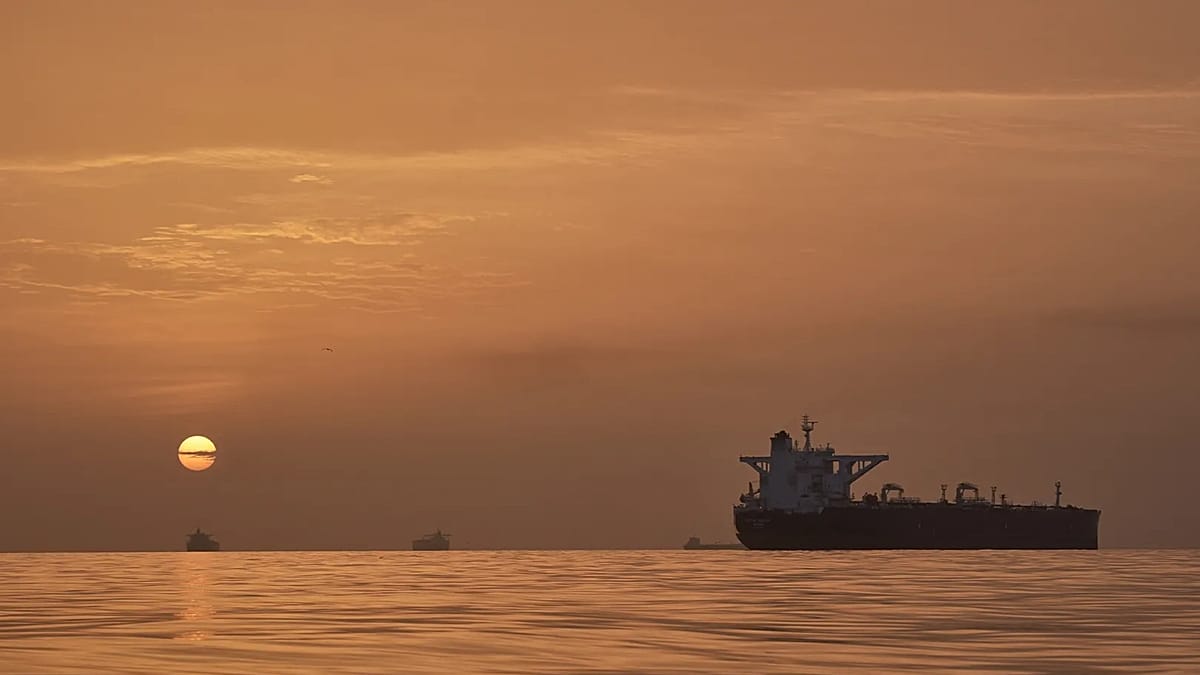
Iran's Islamic Revolutionary Guard Corps (IRGC) announced on Wednesday that its naval forces had seized two cargo vessels attempting to transit the Strait of Hormuz. The ships were directed to Iranian territorial waters. The IRGC identified one vessel as the MSC Francesca, which it claimed was Israeli-owned, and the other as the Epaminondas, accusing it of interfering with navigation systems and endangering maritime security.
The UK Maritime Trade Operations Centre reported the first vessel was attacked by an IRGC gunboat that fired without hailing the ship, though no injuries were reported. Iranian state media offered a conflicting account, stating the Guard only opened fire after the ship ignored warnings. Later reports from Iranian news agencies Fars and Mehr indicated a third vessel, the Euphoria, had also been attacked and was stranded on the Iranian coast.
Ceasefire Extended Amid Diplomatic Efforts
The maritime confrontations occurred against the backdrop of a fragile diplomatic pause. US President Donald Trump announced an indefinite extension of a ceasefire with Iran, stating the move was made at the request of Pakistani Prime Minister Shehbaz Sharif and Field Marshal Asim Munir. Trump made the announcement on his Truth Social platform a day before the existing truce was set to expire.
"Based on the fact that the government of Iran is seriously fractured... and, upon the request of Field Marshal Asim Munir, and Prime Minister Shehbaz Sharif, of Pakistan, we have been asked to hold our attack on the country of Iran until such time as their leaders and representatives can come up with a unified proposal," Trump wrote.
Prime Minister Sharif later thanked Trump for his "gracious acceptance" of Pakistan's request, stating the extension would allow diplomatic efforts to continue. Pakistan had planned to host a second round of talks, but the White House put Vice President JD Vance's trip to Islamabad on hold after Iran rebuffed efforts to restart negotiations.
Iranian Foreign Ministry spokesman Esmail Baghaei told state media there had been "no final decision" on whether to agree to more talks with Washington, citing what he called "unacceptable actions" by the US. He was referring to the ongoing US naval blockade of Iranian ports, which Trump confirmed would continue despite the ceasefire extension.
Economic and Global Market Impact
The continued volatility has sent shockwaves through global energy markets. Brent crude oil prices spiked to around $99 per barrel on Wednesday, a sharp increase from the previous day's trading, as markets anticipated a potential resumption of hostilities. The Strait of Hormuz is a critical chokepoint, accounting for roughly one-fifth of global oil and gas exports in peacetime.
The US has accused Iran of manufacturing a global oil price crisis and "holding the global economy hostage" by disrupting the vital waterway. In a separate Truth Social post, Trump reiterated that Iran was losing an estimated $500 million per day due to the US blockade. The US Navy recently seized its first Iranian cargo vessel attempting to evade the blockade.
For European nations, the instability underscores persistent energy security vulnerabilities. The price spikes and threat to shipping lanes directly impact the continent's economy, which remains heavily reliant on imported energy. This development aligns with recent warnings from the EU Energy Chief about prolonged price hikes stemming from Middle East conflict.
The situation also highlights the complex role of external mediators. Pakistan's intensive diplomatic efforts reflect a broader pattern of regional powers attempting to manage crises that have far-reaching consequences. The involvement of a key partner like Pakistan, which maintains relations with both Washington and Tehran, illustrates the intricate geopolitical balancing act required.
As the ceasefire remains in a precarious state, the seizure of commercial vessels signals Tehran's willingness to leverage its strategic position in the Gulf. The international community, including European capitals, will be watching closely to see if the extended pause can create space for substantive dialogue or merely delays a further escalation.