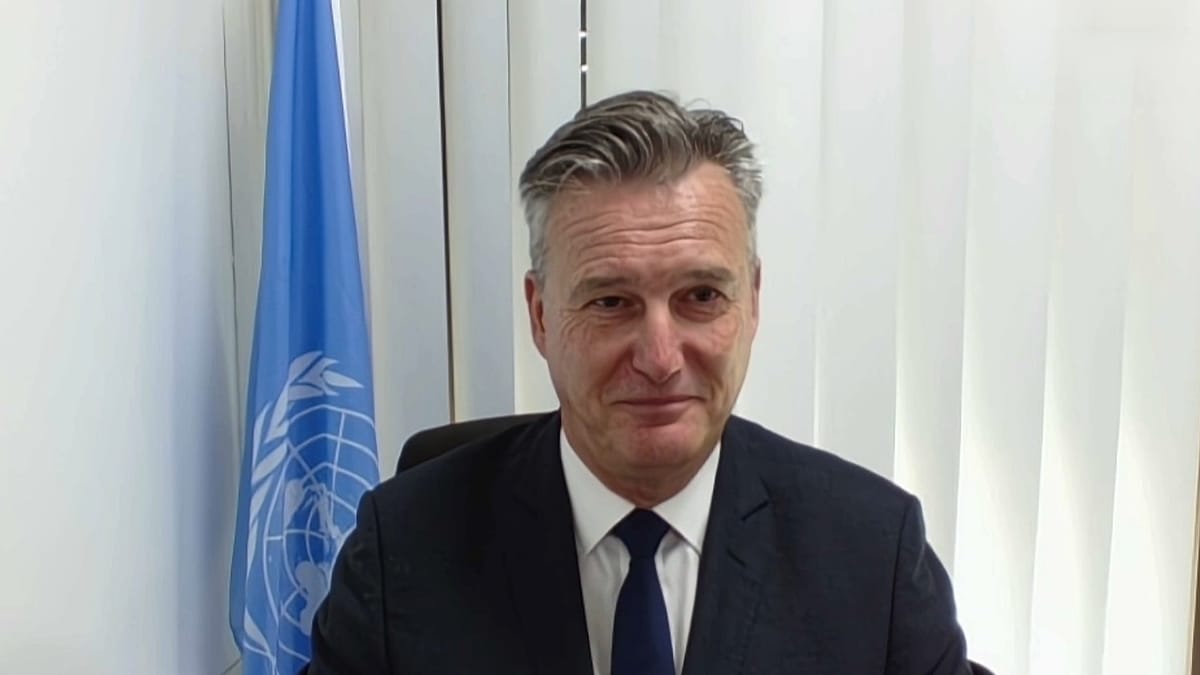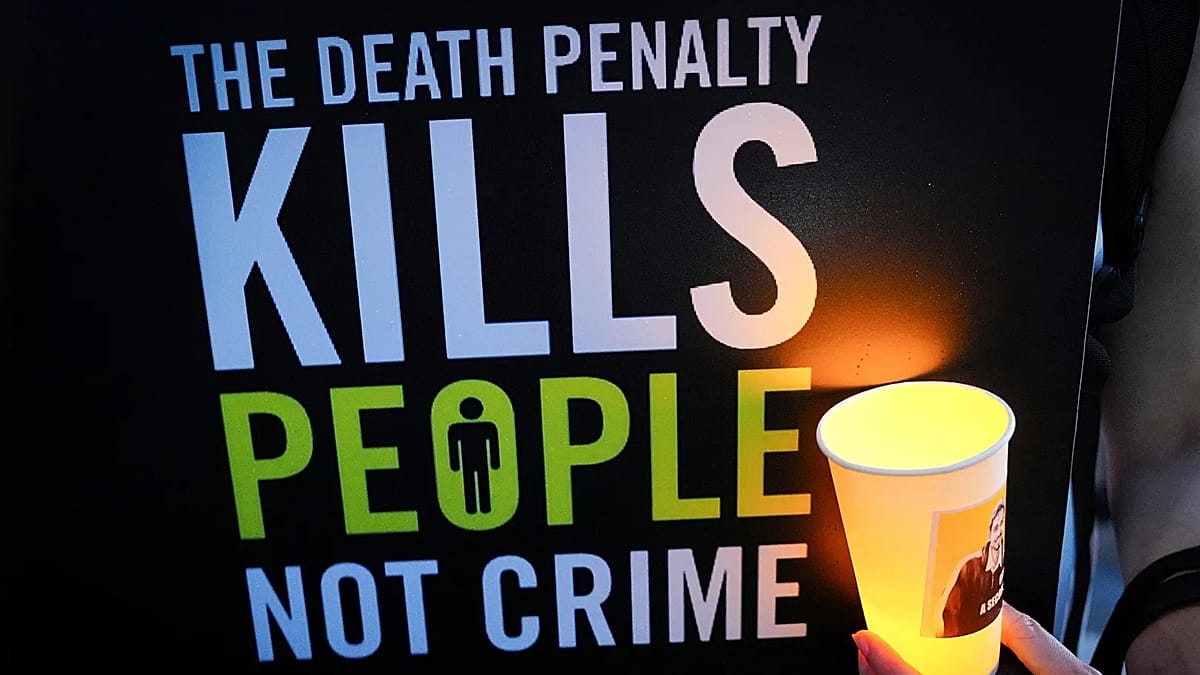
The United Nations' top human rights official has issued a forceful condemnation of Singapore's continued use of the death penalty for drug-related crimes, calling for an immediate moratorium on executions. UN High Commissioner for Human Rights Volker Türk stated the practice is fundamentally incompatible with human dignity and international law.
A Regional Outlier on Capital Punishment
In a statement released this week, Türk noted that while a general shift away from capital punishment is underway across Asia, Singapore remains one of only a handful of countries imposing the death penalty for drug offences that do not involve intentional killing. "The death penalty is fundamentally incompatible with human dignity and the right to life," Türk said.
The UN office reported that of the 25 executions carried out in Singapore in 2023 and 2024, 24 were for drug-related crimes. Last year, 15 out of 17 executions fell into this category. So far in 2024, eight individuals have been executed for drug offences.
One recent case involved Omar bin Yacob Bamadhaj, who was executed last week for cannabis trafficking after his family received just two weeks' notice. His case drew direct appeals from several European states, including the United Kingdom, Switzerland, and Norway, who urged Singapore to commute his sentence. The European Union also joined these calls, reflecting a consistent European foreign policy stance against the death penalty worldwide.
"At every level, the taking of this man’s life is both cruel and inhuman," said Türk.
International Law and Domestic Justification
Türk's office emphasized that under international human rights law, the death penalty should be reserved only for the "most serious crimes," typically involving intentional killing. Drug-related offences that do not result in loss of life, the UN argues, do not meet this threshold. The statement also stressed that any use of capital punishment requires strict adherence to full due process and fair trial guarantees.
Singaporean authorities firmly reject this critique. They maintain that the mandatory death penalty for trafficking specific quantities of drugs—such as 500 grams of cannabis or 15 grams of heroin—has been instrumental in making the city-state one of the world's safest urban centres. A government survey conducted in 2023 indicated strong public support for capital punishment for serious crimes, providing a domestic mandate for the controversial policy.
The stark divergence between Singapore's legal framework and evolving international norms highlights a broader global tension. While the overall trend continues toward abolition, a small number of states, including Iran, Saudi Arabia, and the United States, recorded a surge in executions last year. Singapore's position places it within this shrinking group of retentionist countries, but as a developed global hub, its policies attract particular scrutiny from international bodies and trading partners.
The European stance, articulated through the EU and individual member states like Switzerland and Norway, forms part of a wider diplomatic effort. This position is consistent with Europe's role in promoting human rights norms, as seen in other contexts such as its response to the crisis in Darfur or its legal principles applied in cases like the Vienna court's ruling on a former Austrian diplomat. The calls for clemency in Singapore underscore a foreign policy priority that often intersects with trade and bilateral relations.
As global institutions like the UN increase pressure, Singapore faces the challenge of balancing its sovereign right to determine its legal code with its reputation as a modern, rules-based international actor. The ongoing debate touches on core issues of state sovereignty, the universality of human rights, and the effectiveness of punitive drug policies—a discussion that also resonates within Europe, where member states like Portugal have pioneered decriminalization approaches.
The UN's intervention is unlikely to prompt immediate policy change in Singapore, but it reinforces a growing diplomatic isolation on this issue. For European policymakers, it presents another arena where the bloc's normative values clash with the practices of an important Asian partner, testing the coherence and reach of its human rights advocacy.