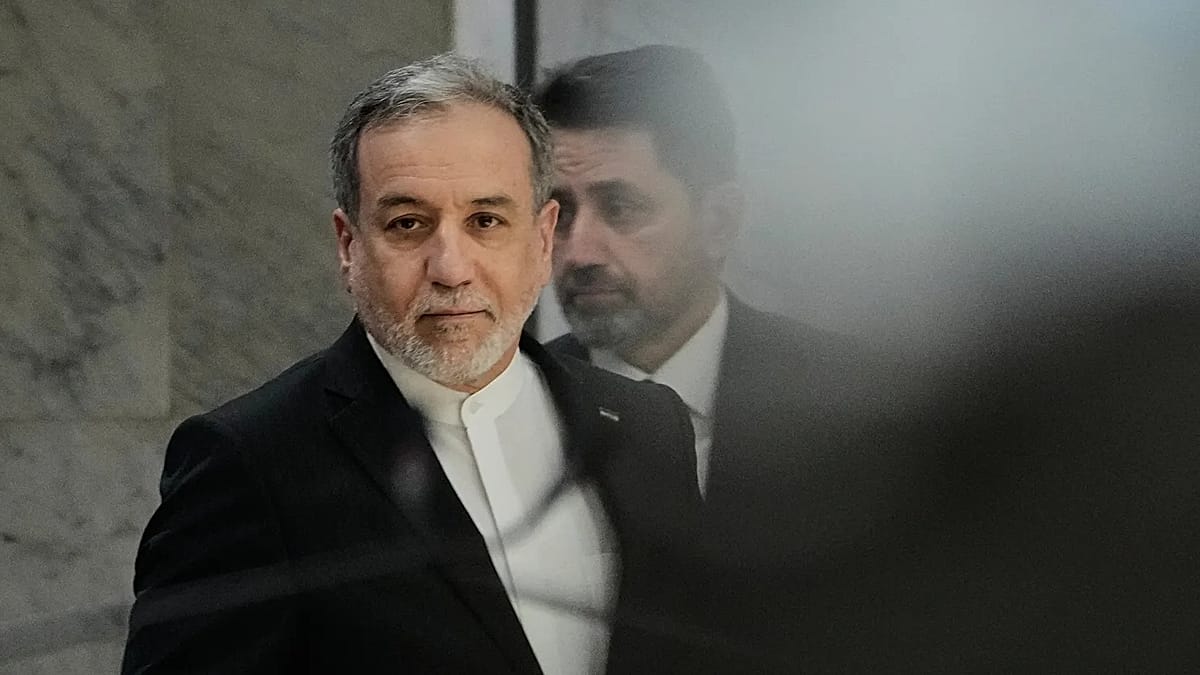
Iranian Foreign Minister Abbas Araghchi has publicly confirmed media reports that Israel may have planned to assassinate him and parliament speaker Mohammad Bagher Ghalibaf during ceasefire negotiations in Islamabad, Pakistan, in April. The talks, mediated by US Vice President JD Vance, ultimately produced the framework deal signed on 17 June that halted the US-Iran war.
In an interview with Iranian state television on Friday, Araghchi acknowledged he was aware of the threat at the time. Asked why he still travelled to Pakistan, he replied: "We are Iranians, we don't fear death for our nation." He added: "Cowards attack from behind. We went for regional peace. Now you see who the real cancer is."
US Warning via Regional Allies
According to reports from The New York Times and The Washington Post, Washington grew so concerned about Israeli intentions that it asked regional allies to warn Tehran that Israel could target the two officials. Because the US and Iran have had no formal diplomatic relations since 1980, the warning was relayed through intermediaries rather than directly.
The Wall Street Journal had reported in March that Israel may have had Araghchi and Ghalibaf on a target list during its broader campaign of strikes against senior Iranian officials, but that they were temporarily removed from the list.
Extraordinary Security Measures
The New York Times detailed the extraordinary security measures taken to protect the Iranian delegation. When Ghalibaf travelled to Islamabad to meet Vance, Pakistani fighter jets escorted the Iranian aircraft from the Iranian border to Islamabad and back. On the return leg, the aircraft made an emergency landing in Mashhad amid an Israeli military threat, forcing Ghalibaf's delegation to continue to Tehran by car.
The Iran war began on 28 February, when US-Israeli strikes on Tehran killed Ayatollah Ali Khamenei and several senior officials. The 17 June framework deal established a 60-day extended ceasefire, now in effect, intended to allow negotiators to produce a final agreement.
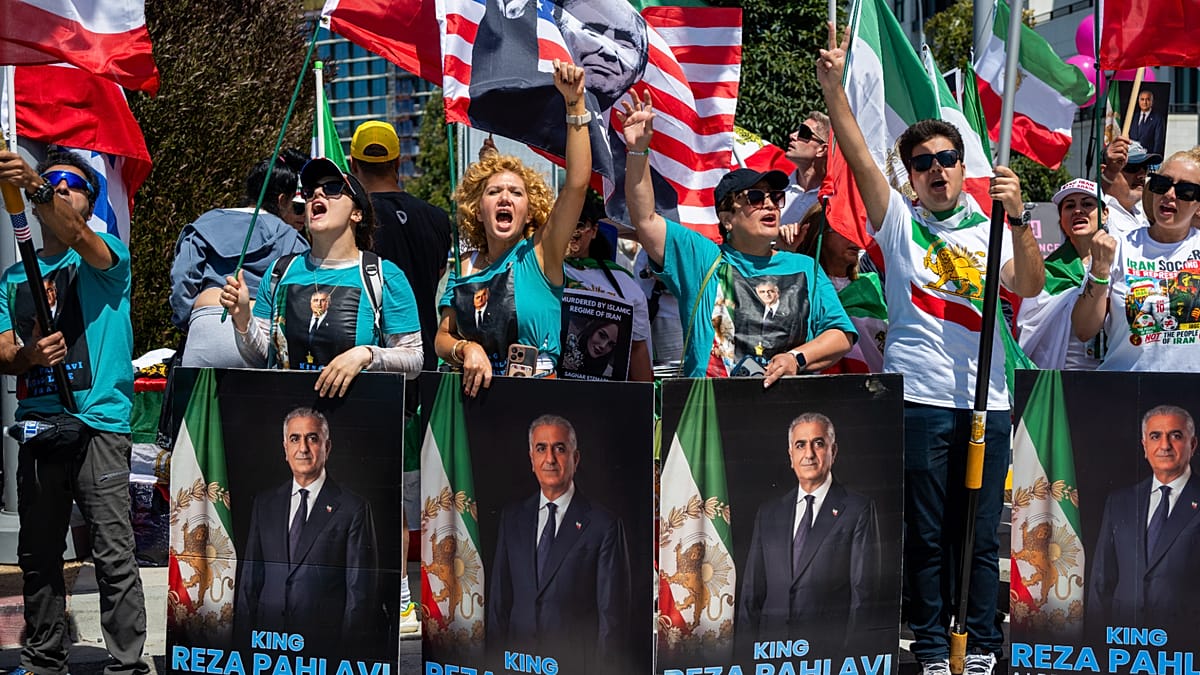
The confirmation comes amid broader regional tensions. In a related development, Reza Pahlavi has argued that any deal with Tehran is merely a pause before the next war, a view that resonates with some European policymakers wary of the ceasefire's durability.
European capitals have watched the US-Iran negotiations closely, given the war's impact on energy markets, migration flows, and regional stability. The EU has maintained a position of cautious engagement, with some member states expressing concern about the role of non-European actors in mediating conflicts on the continent's periphery.
The revelation that Israel may have targeted negotiators during talks mediated by a US official underscores the complex web of alliances and enmities in the Middle East. It also raises questions about the security of diplomatic processes in a region where state actors routinely employ assassination as a tool of policy.