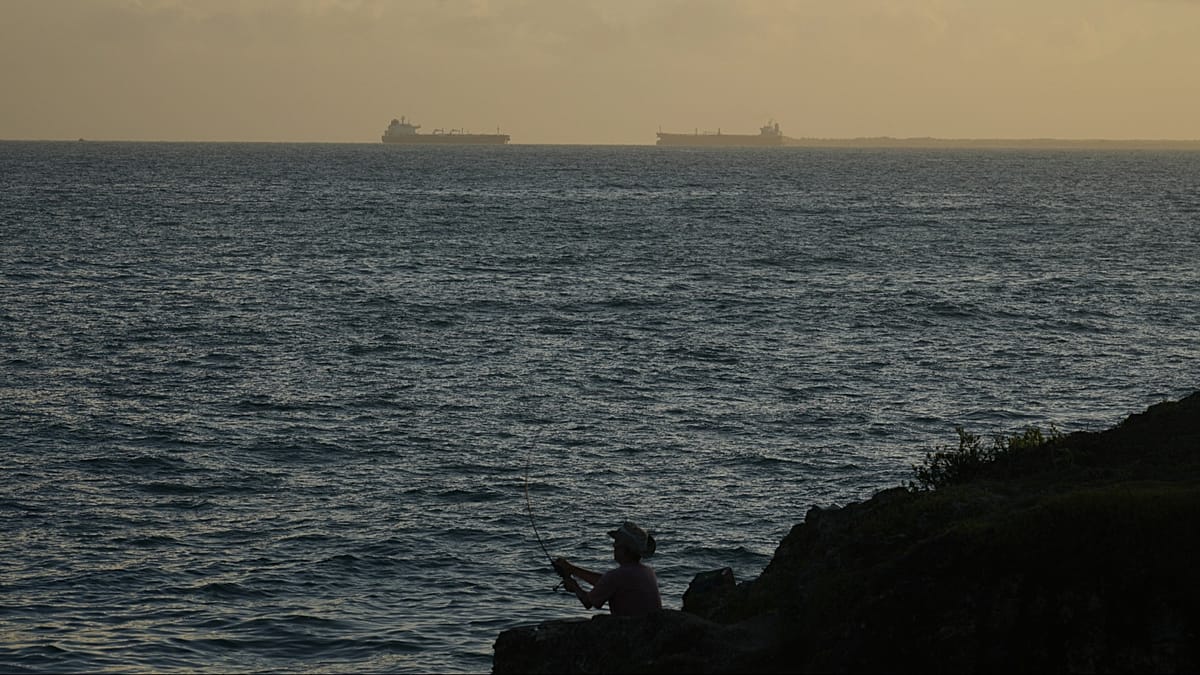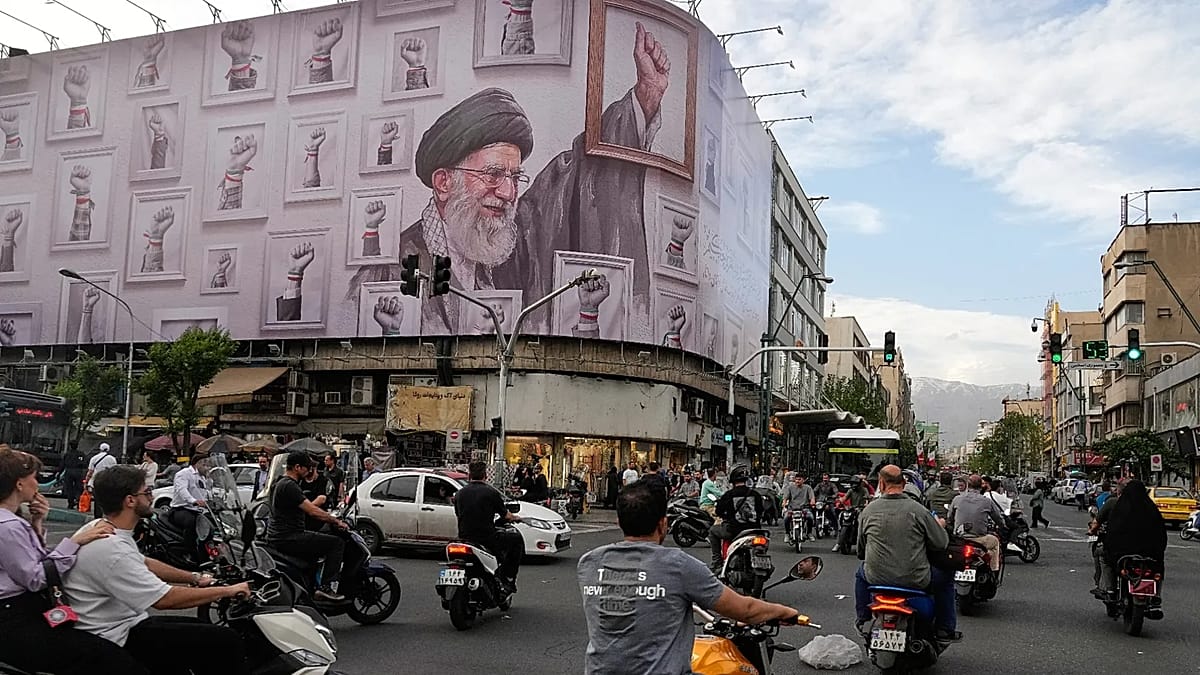
Iran's control over the Strait of Hormuz continues to disrupt global energy markets, but the Islamic Republic's own economy is under severe strain from war, a US naval blockade, and soaring inflation. While Tehran insists it can withstand the pressure, ordinary Iranians are facing spiralling costs for food, medicine, and other essentials, alongside mass job losses and business closures.
Annual inflation reached 53.7% in mid-April, according to Iran's official statistics centre, with food prices surging 115% compared to the same period last year. The rial has fallen to a record low of 1.9 million to the US dollar, losing more than half its value in the past year. The International Monetary Fund projects the Iranian economy will shrink by about 6% in the coming year.
Hadi Kahalzadeh, an Iranian economist and research fellow at Brandeis University, described the economic toll as "very substantial and unprecedented for Iran." He noted that while Iran has weathered decades of sanctions, the current crisis is exacting a heavy price on the population. "Iran can probably avoid a complete economic collapse or total shortage of essential goods, but at a very high cost," he said. "The main cost will be passed to ordinary Iranians through higher inflation, more poverty, weaker services and a much harder daily life."
Everyday Life Under Economic Siege
In Tehran, taxi driver Hossein Farmani, 56, reflected on price hikes that have pushed tea up over 50% since the war began. "If things keep heading in this direction, we're going to suffer a lot more," he told the Associated Press. A tour of grocery stores in the capital found chicken and lamb prices up 45%, rice 31%, and eggs 60% since February.
Mohammad Deljoo, 73, another taxi driver, supports his family on a daily income of $4. He blamed "price gouging" for the crisis. "We only buy what's absolutely necessary, things like bread and potatoes. Even eggs have become too expensive for us," he said. Tyre and car part prices have risen fivefold in less than a year.
Job losses are widespread. Ali Asghar Nahardani, 32, said his ride-hailing app had not paid him in over a month, forcing him into street vending. "We're just living day by day, trying to get through this situation while the war conditions continue," he said.
Iranian authorities have announced measures such as a 60% minimum wage hike and coupon programmes for essential goods, but economist Taymur Rahmani of the University of Tehran warned in the newspaper Dunya-ye Eqtesad that these policies are stoking inflation further.
The Collapse of the Middle Class
The war marks another blow to Iran's once sizable middle class, which had already shrunk to about 55% of the population by 2019, according to Mohammad Farzanegan, a professor of Middle Eastern economics at the University of Marburg. New sanctions, wars, corruption, and economic mismanagement have further eroded that figure. A UN development agency report in late March warned that the war could push several million Iranians below the poverty line.
A physical trainer in downtown Tehran described the crisis as a mental health emergency. "The system is just collapsing. The layoffs are in factories, in companies, in startups, in whatever your work is," she said, speaking anonymously out of security fears. She has cut back on groceries and stopped therapy sessions after her divorce. "The last time I bought meat was about two months ago," she said.
A resident of Karaj, near Tehran, said his insurance company saw plummeting sales for car and home policies. He blamed "severe systemic corruption" and the government's costly support for militant groups in Lebanon, Yemen, and Iraq. "Most people blame the government and its ambitions," he wrote.
Iran's leaders have urged the public to endure the pain for the sake of the war effort, but the economic strain is fueling unrest. Massive protests erupted in January, reflecting deep dissatisfaction. The crisis also has European implications: the disruption of oil flows through the Strait of Hormuz has driven up energy prices across the continent, as seen in rising petrol costs and protests by French farmers. Meanwhile, EU sanctions on Russia have shown similar economic pressures, as detailed in this analysis.