Iranian state media reported on Sunday that Tehran has not yet reached a final decision on the proposed peace deal to end the conflict between the United States and Iran, contradicting earlier optimistic statements from Washington and Islamabad.
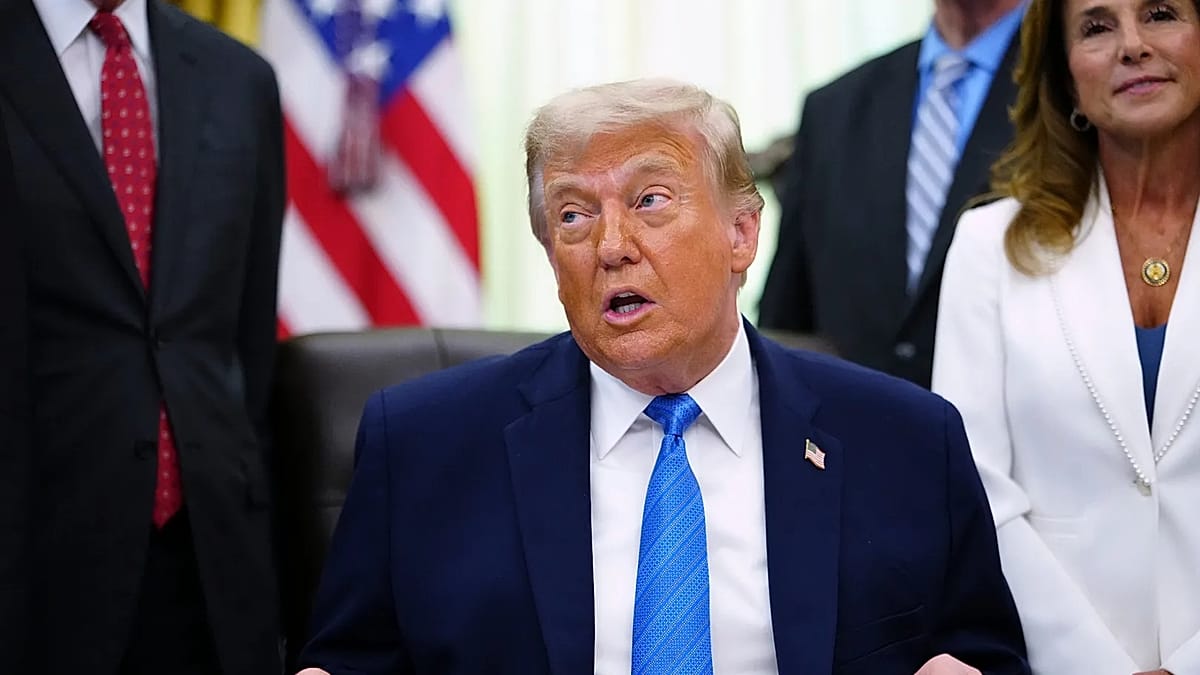
US President Donald Trump and Pakistan, which has acted as a key mediator in the talks, had signaled on Saturday that an agreement could be signed within 24 hours. Trump wrote on his Truth Social account: "The Deal is scheduled to get signed tomorrow, and immediately after it is signed, the Hormuz Strait is open to all."
Pakistan's Prime Minister Shehbaz Sharif echoed that sentiment, posting on X that a deal was closer "than ever before" and that finalisation was likely "in the next 24 hours." He added that Pakistan was preparing for an electronic signing ceremony, followed by technical-level talks next week.
Qatari Mediation and Nuclear Concerns
A Qatari delegation arrived in the Iranian capital on Sunday as negotiations continued. The Tasnim news agency said the delegation would "examine the latest developments related to the diplomatic process." Qatar has previously played a mediating role between Tehran and Washington, including in prisoner swaps and nuclear talks.
Any deal hinges on Tehran agreeing to fully reopen the Strait of Hormuz, a vital chokepoint for global oil and gas transit, and to end its nuclear weapons program. Trump said Saturday that a deal would be a "wall to no nuclear weapon." The International Atomic Energy Agency (IAEA) has repeatedly demanded Iran grant immediate access to its nuclear sites, as reported by European Pulse.
The apparent discrepancy between Iranian state media and the optimistic statements from Trump and Sharif underscores the fragility of the negotiations. Iran has a history of using state media to manage expectations and signal its negotiating stance, often walking back claims made by foreign officials.
For European capitals, the outcome of these talks carries significant implications. The reopening of the Strait of Hormuz would ease energy prices and reduce the risk of a broader Middle Eastern conflict that could trigger refugee flows and disrupt trade routes. European Union foreign policy chief Josep Borrell has previously called for a diplomatic solution, and the bloc has maintained channels with both Washington and Tehran.
The situation also echoes earlier tensions between Iran and the US, including the 2020 assassination of General Qasem Soleimani and subsequent Iranian retaliation. More recently, Iran claimed a US deal was near as Trump accused Tehran of bad faith, highlighting the volatility of the diplomatic process.
Meanwhile, the IAEA continues to press for access to Iranian nuclear sites, and the E3 (France, Germany, and the UK) have been engaged in parallel diplomacy. In a separate development, E3 envoys met a Russian deputy minister in Moscow amid stalled Ukraine peace efforts, showing the breadth of European diplomatic engagement on multiple fronts.
As of Sunday, no deal has been signed, and the Strait of Hormuz remains partially closed. The coming days will test whether the optimism from Washington and Islamabad translates into a concrete agreement, or whether Tehran's caution prevails.