Tehran launched a coordinated barrage of missiles and drones across the Gulf on Sunday, hours after the United States carried out fresh airstrikes on Iranian targets. The escalation marks a sharp uptick in regional tensions, with European capitals closely monitoring the fallout.
EU Foreign Ministers Convene on Settlement Trade
In Brussels, EU foreign ministers are gathering today to deliberate on whether to restrict trade between the bloc and illegal Israeli settlements in the occupied West Bank. The proposed measures, which have been under discussion for months, would target goods produced in settlements that the European Union considers a violation of international law.
Several EU capitals have accused the European Commission of foot-dragging on the issue, arguing that the bloc must act decisively to uphold its commitments to international law and the two-state solution. The debate has tested the unity of the 27 member states, with some countries expressing concerns about the economic and diplomatic repercussions.
The potential ban would affect imports from settlements, including agricultural products, cosmetics, and wine, which are currently labeled as "Made in Israel" despite originating in occupied territories. The EU is the largest trading partner for Israel, and such a move could have significant economic implications.
Iran's Retaliation and Regional Fallout
Sunday's attacks by Iran targeted multiple locations across the Gulf, including key shipping lanes and military installations. The Strait of Hormuz, a critical chokepoint for global oil supplies, saw at least three vessels hit within 24 hours, according to UK maritime authorities.
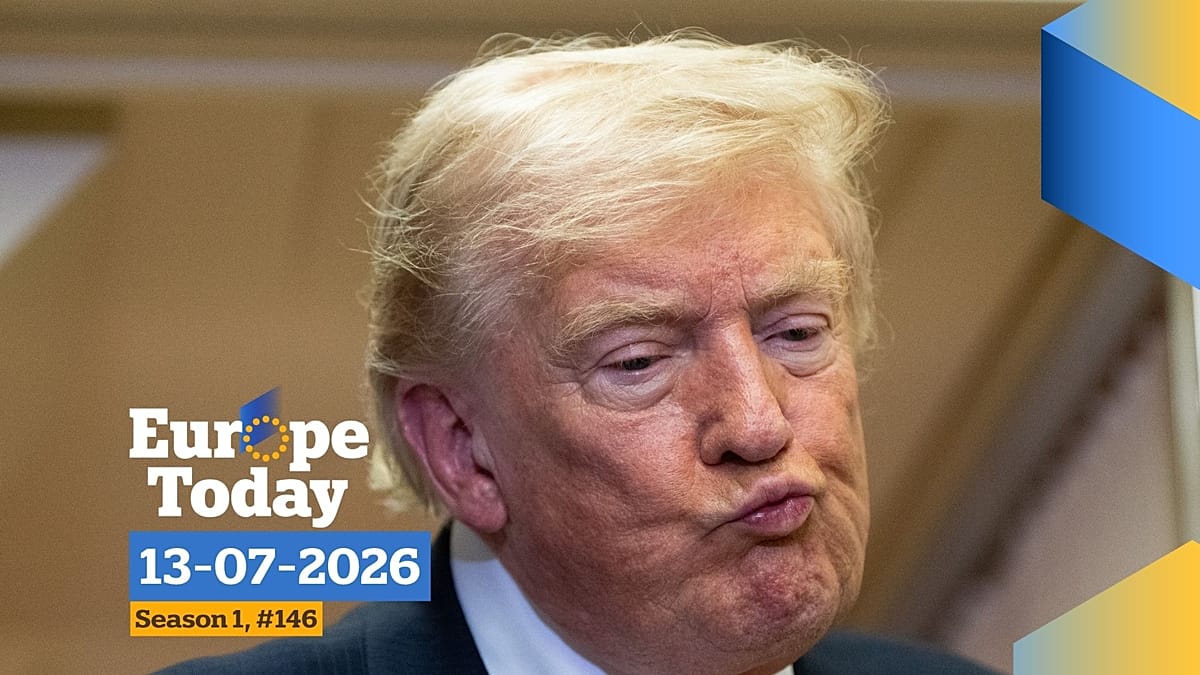
The US airstrikes that preceded the Iranian response were part of an ongoing campaign against Tehran's military infrastructure. President Donald Trump had earlier threatened to "completely decimate" Iran, even as his administration signaled openness to further negotiations.
European leaders have called for restraint on all sides, warning that a full-scale conflict could destabilize the region and trigger a new wave of migration toward Europe. The EU's foreign policy chief, Josep Borrell, urged de-escalation in a statement Sunday evening, emphasizing the need for diplomatic channels to remain open.
Implications for European Security and Trade
The dual crises—Iran's military escalation and the EU's internal debate over Israeli settlements—underscore the complex geopolitical pressures facing Europe. The bloc's ability to maintain a unified stance on both issues will be closely watched in Washington, Tel Aviv, and Tehran.
On the settlement trade ban, divisions persist. Some member states, particularly Germany and Austria, have historically been cautious about imposing sanctions on Israel, while others, such as France and Sweden, have pushed for stronger measures. The debate has tested the bloc's cohesion, with the outcome likely to set a precedent for future EU foreign policy decisions.
Meanwhile, the Iran crisis has prompted European navies to increase patrols in the Gulf, coordinating with the UK and other allies to protect commercial shipping. The NATO summit earlier this month ended without a clear consensus on how to respond to Iranian aggression, leaving individual member states to take their own precautions.
As the situation evolves, European Pulse will continue to provide updates on both the military developments in the Gulf and the diplomatic maneuvering in Brussels.