In an exclusive interview with Euronews, Ahmad Bakhshayesh Ardestani, a member of Iran's parliamentary National Security and Foreign Policy Commission, has provided the clearest public confirmation yet of internal friction within the Islamic Republic's power structure over how far to push back against the US blockade in the Persian Gulf.
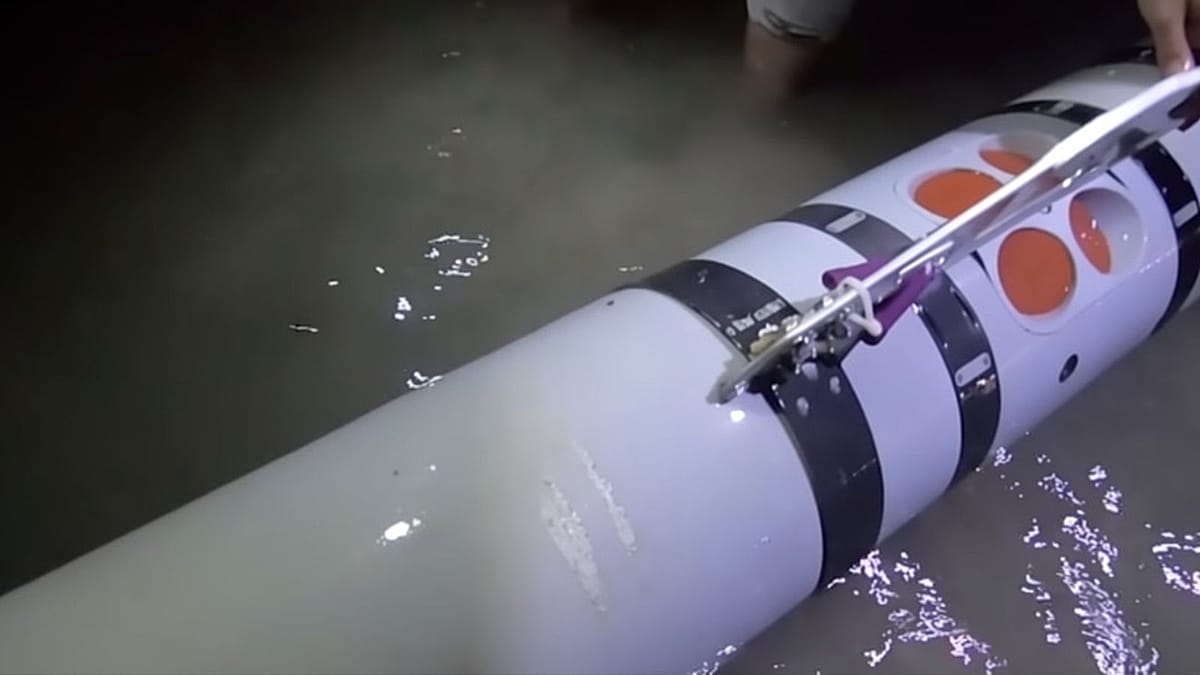
"Up until this moment, the political authorities and traditional decision-making bodies of the regime have actively restrained the military from executing high-intensity offensive operations against the US fleet," Ardestani said. He added that Tehran has nonetheless signaled to Washington that any seizure or strike on Iranian vessels would be met with the sinking of a US warship or attacks on US regional bases. "Iran views asymmetric naval retaliation as its primary exit ramp from the suffocation of the blockade," he stated.
Internal Power Dynamics and Leadership Questions
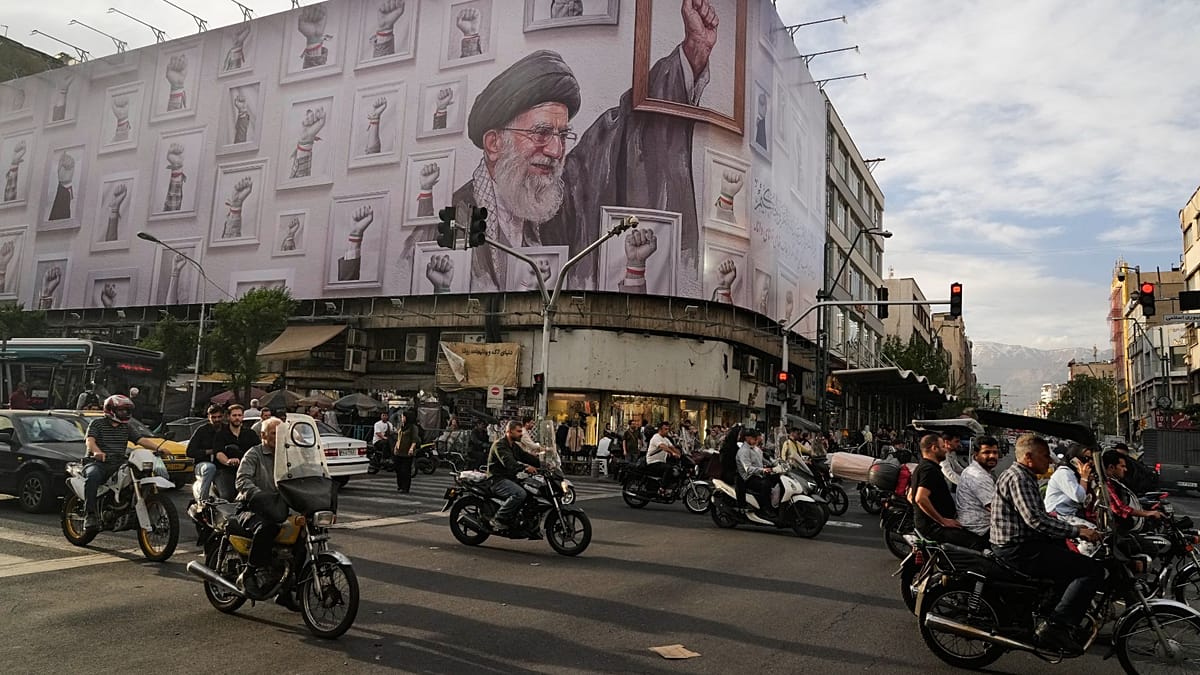
The interview comes amid reports—unconfirmed by Iranian officials—that IRGC commander General Ahmad Vahidi has been playing an increasingly prominent role in day-to-day security decisions since US-Israeli strikes on 28 February left Iran's new Ayatollah Mojtaba Khamenei out of public view. Khamenei has not appeared in any video or audio recording since then, but has released written statements read on state-run media, amid claims that he sustained serious injuries and has undergone multiple surgeries—claims Tehran authorities have not confirmed.
In his latest statement released on Wednesday, the ayatollah said that Iranian leaders "stand before the epic actions of the Iranian nation in its unique and historic resistance against two global terrorist armies," adding that this "places a heavier burden of responsibility on officials of the Islamic Republic—from the leadership and heads of the branches of government to all levels of management." According to Reuters, citing two senior Iranian sources, Khamenei also reportedly ordered on Thursday that high-enriched uranium stockpiles—whose future remains a key obstacle to ongoing peace talks—must not be removed from Iran.
Ardestani dismissed the notion that the absence of individual leaders constitutes a threat to the state's survival. "The system is run by its institutional architecture, not just individuals. No matter how many leaders are targeted, that 20% core base remains completely intact," he said. "These martyrdoms deeply emotionalise that core base, driving them directly into the streets to preserve the state; therefore, physical elimination does not erode our structural stability." He offered a breakdown of Iranian public opinion that he attributed to academic research: 20% of the population are unconditional loyalists, 20% are unconditional opponents, and the remaining 60% shift between the two poles depending on economic and social conditions.
Domestic Unrest and the War's Impact
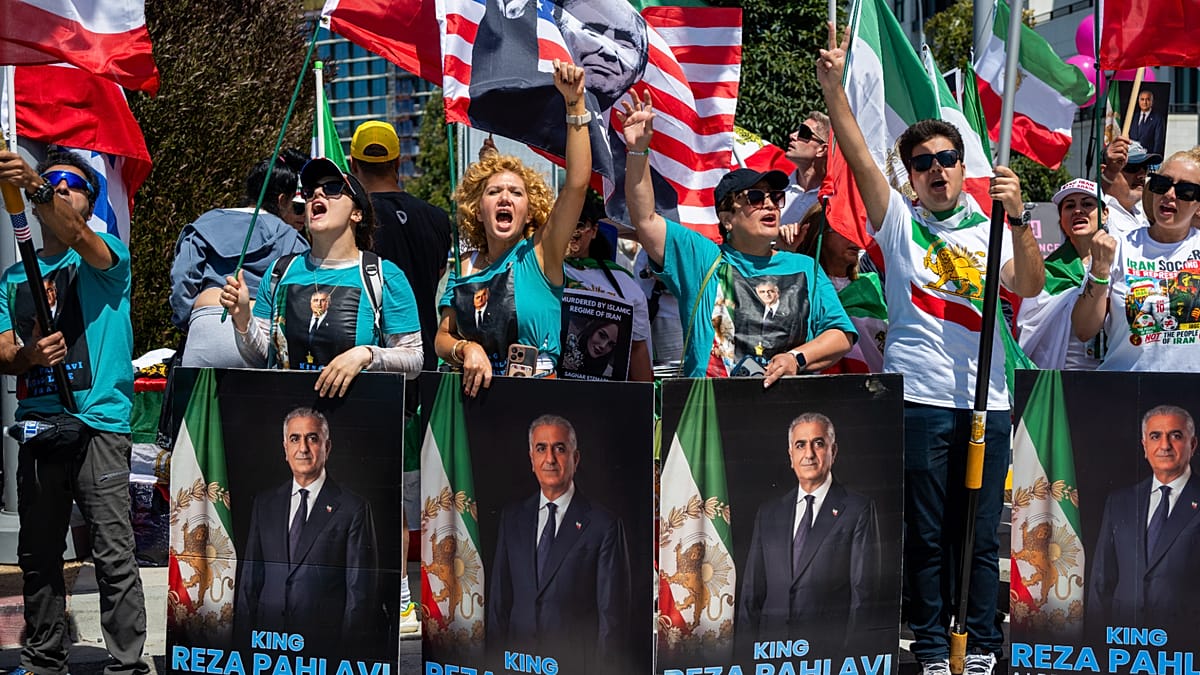
Ardestani also said the war had inadvertently benefited the regime domestically by displacing the political fallout from the January protests. "The civil unrest of 8 and 9 January had a profound psychological impact on the public consciousness," he stated. "However, the subsequent US-Israel military assault on Iran completely shifted the public narrative and erased the shock of those uprisings." The country-wide protests began in December 2025, after the collapse of Iran's currency, the rial, sparked unrest in Tehran and almost all Iranian cities. Security forces killed thousands in a crackdown that reached its peak in early January. Tehran's own Supreme Council of National Security acknowledged a death toll of more than 3,000; the UN Special Rapporteur on Iran put the figure at a minimum of 5,000, while insiders in Iran and human rights groups claim the number may have surpassed 42,000. Iran also imposed an internet blackout on 8 January that remained in force at the time of this interview. Independent polling inside Iran is not possible under current conditions and the figures cannot be independently verified.
On what he believes Washington's most effective strategy would be, Ardestani argued that military force was counterproductive. "As long as America and Israel launch military attacks, the fighting spirit of Iranians will be ignited, and they will stand up against the aggressor," he said, drawing a comparison to the Vietnam War to argue that the US misread the psychological resilience of a nationalist population then as now. He warned that a US strike on Iran's energy and nuclear infrastructure would trigger a qualitatively different response. "If that happens, Iran will immediately deploy every asymmetric measure it has withheld up to this point," Ardestani said. "This means we will target regional ..."
For European readers, the implications are significant. The ongoing conflict in the Persian Gulf has already strained NATO munitions, as NATO military chiefs convene to address the alliance's readiness. Meanwhile, the US has signaled a potential reduction in military capabilities available to NATO allies in wartime, a move that could reshape European defense planning. As the situation evolves, European capitals are closely watching Tehran's internal power struggles and the potential for escalation that could disrupt energy supplies and security across the continent.