The International Rescue Committee (IRC) has issued a stark warning that the ongoing Ebola outbreak in the Democratic Republic of the Congo (DRC) could surpass all previous records in terms of fatalities unless the international community mobilises swiftly. The New York-based humanitarian organisation, which has been active in the region for decades, points to a combination of a rare viral strain, escalating conflict, and dwindling resources as a perfect storm threatening to spiral out of control.
The World Health Organization (WHO) reported earlier this week that suspected cases have now exceeded 900, with 220 suspected deaths. The outbreak has also crossed borders into Uganda, where seven confirmed cases and one death have been recorded. This cross-border spread underscores the urgency of a coordinated regional response.
A Rare and Unvaccinated Threat
Unlike the Zaire strain that ravaged West Africa between 2014 and 2016 and was later contained with an effective vaccine, this outbreak is driven by the Bundibugyo virus. This rarer strain has no proven vaccine, making containment efforts particularly challenging. Health workers on the ground are forced to rely on rigorous infection control measures, contact tracing, and community engagement—all of which are severely compromised in a conflict zone.
“The warning signs are flashing red,” said Bob Kitchen, the IRC's vice president of Emergencies. “Eastern DRC is confronting this outbreak more fragile and less prepared than during the 2018-2020 outbreak that killed more than 2,000 people—and with fewer resources to fight it. Increased conflict and cuts to global aid funding have dismantled defenses at exactly the wrong moment. The lesson from every previous outbreak is clear: delays cost lives.”
The IRC’s call for urgent international funding and coordination comes as the European Union and UNICEF have already airlifted 100 tonnes of medical aid to the DRC, but the scale of the crisis demands far more. The organisation warns that without a significant ramp-up in support, the outbreak could eclipse the 2018-2020 epidemic, which claimed over 2,000 lives.
Conflict and Aid Cuts Compound the Crisis
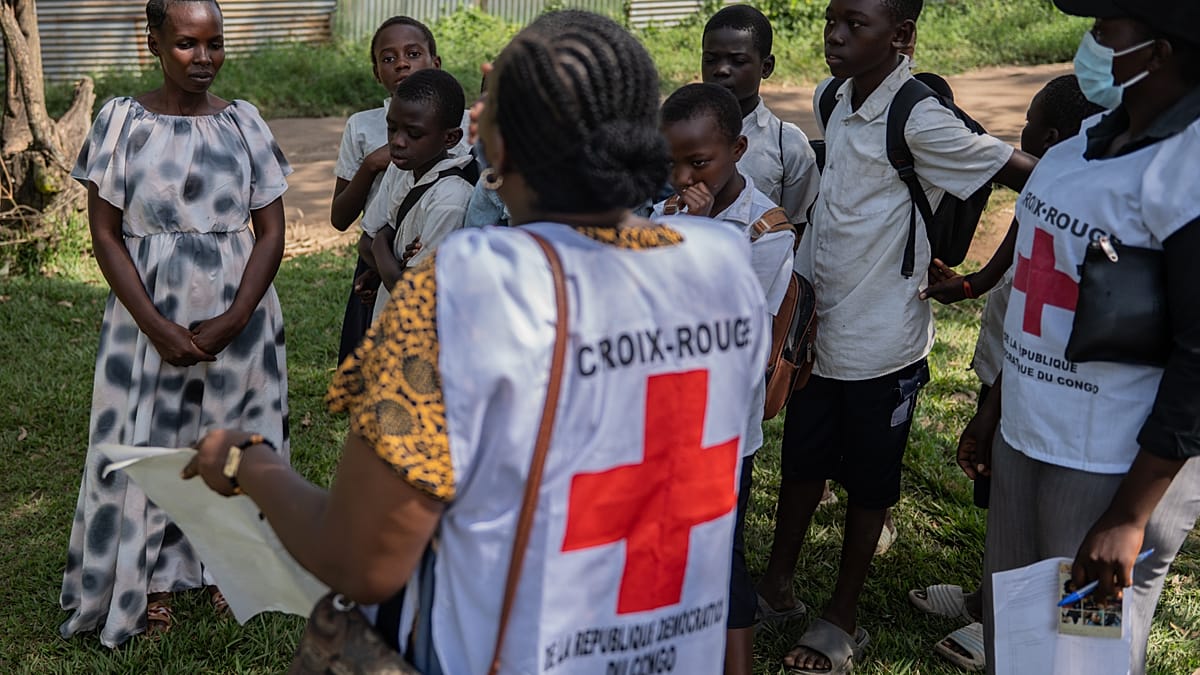
The epicentre of the outbreak lies in Ituri Province, a region plagued by armed group activity and intercommunal violence. This insecurity hampers the movement of health workers, disrupts supply chains, and erodes public trust in response efforts. Last week, three Red Cross volunteers—Alikana Udumusi Augustin, Sezabo Katanabo, and Ajiko Chandiru Viviane—died from suspected Ebola after managing dead bodies in Ituri. Their deaths highlight the immense risks faced by frontline responders.
The IRC’s warning also comes against a backdrop of global aid cuts, particularly from major donors like the United States, which has historically been the largest contributor to global health security. These reductions have forced humanitarian organisations to scale back operations just when they are most needed. The situation echoes broader challenges across the continent, where health systems remain fragile and underfunded.
Ebola, first identified in 1976, is a severe viral illness with symptoms including fever, weakness, diarrhoea, vomiting, and sometimes internal and external bleeding. The case fatality rate can range from 25% to 90%, depending on the strain and the quality of medical care. The current Bundibugyo strain has a lower mortality rate than Zaire, but its lack of a vaccine makes it no less dangerous in a context of limited healthcare access.
The international community has been here before. The 2014-2016 West African outbreak was a wake-up call that led to the development of vaccines and treatments, but those advances are now at risk of being squandered. The IRC’s message is clear: the window for effective action is closing, and the cost of inaction will be measured in lives.