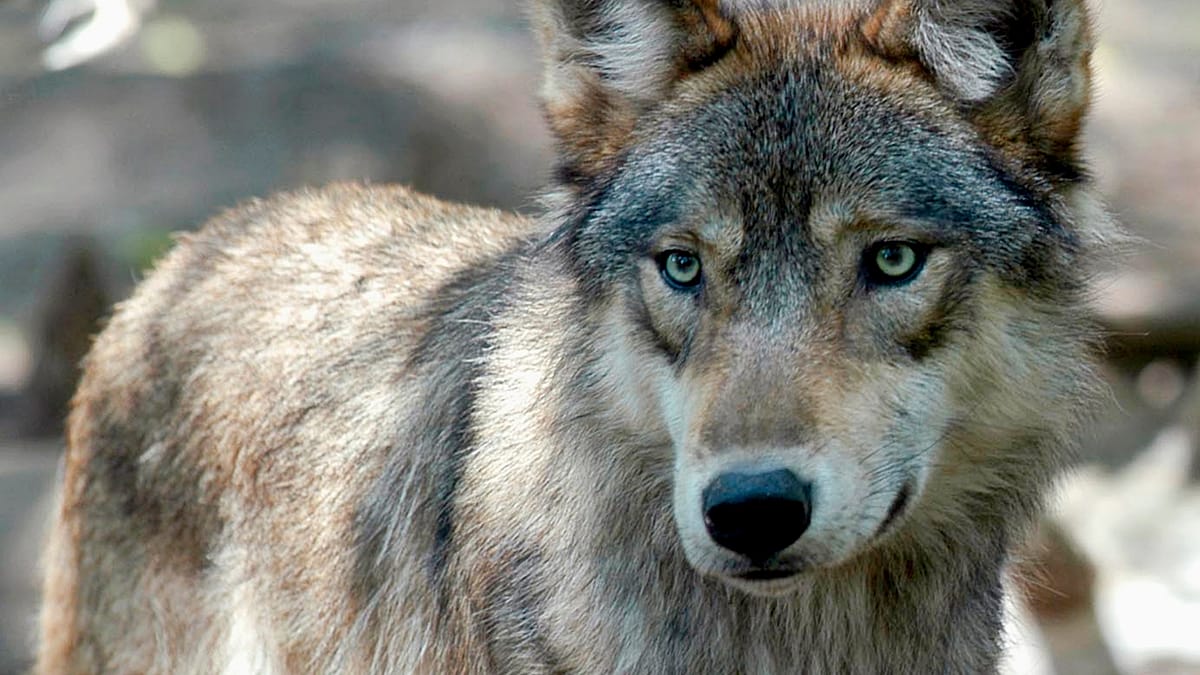
Italian authorities are intensifying efforts to track and capture wolves after a series of suspected attacks in the southern region of Puglia left several people injured, including children. The incidents have prompted a coordinated response involving local police, veterinarians, and regional officials.
The most recent attack occurred on 20 August at tourist accommodation in Punta Pizzo, near Gallipoli, where a 52-year-old woman, her 12-year-old daughter, and another tourist were injured by an animal believed to be a wolf. The animal reportedly first targeted a small dog before turning on the tourists. All three were taken to hospital; the woman and girl were discharged with a prognosis of 14 days. The Carabinieri, supported by vets from the local health authority, are investigating to confirm whether the animal was indeed a wolf.
Earlier, on 15 August, a six-year-old boy was bitten in a municipal park in Noicattaro, near Bari. The child suffered chest injuries and was admitted to the paediatric surgery ward of the Giovanni XXIII hospital. The attack happened around 11 p.m., and the animal was driven away by the screams of adults. Initial reports suggested a stray dog, but the mayor of Noicattaro, Raimondo Innamorato, rejected that theory. Images of a suspected wolf, spotted hours after the attack, circulated on social media.
Task force and regional response
The Bari Prefecture and Puglia regional authorities have established a task force to identify the animal using drones, thermal cameras, and capture snares. Regional president Antonio Decaro has authorised its capture and removal. Possible wolves have also been reported in the Brindisi area, where a French bulldog and two emus have been killed.
Sightings are not confined to the south. In Riccione, in the northern region of Emilia-Romagna, residents have reported a wolf roaming in the city. The local authority has ordered the night-time closure of three parks until 3 September while attempts are made to drive the animal away. Residents have been urged not to leave organic waste outside bins or pet food outside their homes, and to keep areas near houses clear of vegetation. In Umbria, searches continue for a wolf that attacked a four-year-old girl in Arrone on 9 July.
These incidents come amid a broader European context of recovering wolf populations. According to the first national survey by the Italian Institute for Environmental Protection and Research (ISPRA), carried out in 2020-21, Italy is home to an estimated 3,300 wolves, with about 950 in the Alpine regions and around 2,400 in the rest of mainland Italy. The grey wolf (Canis lupus) nearly disappeared from Italy in the 1970s, when fewer than 100 animals were believed to remain, largely in the Apennines. Legal protection and conservation measures have since helped populations recover.
Across Europe, wolf numbers rose from around 12,000 to more than 21,000 between 2012 and 2022, an increase of 58%, according to a study covering 34 countries. As populations have grown, attacks on livestock have increased—wolves kill tens of thousands of farm animals each year, mainly sheep. Attacks on humans, however, remain rare. According to WWF, there have been no recorded fatal wolf attacks on humans in Europe in the 21st century.
The recent incidents in Italy have sparked debate about coexistence with large carnivores. While conservationists emphasise the ecological role of wolves, local communities are increasingly concerned about safety. The task force in Puglia aims to balance these concerns by capturing and relocating problem animals rather than culling them.
As authorities continue their search, residents in affected areas are advised to remain vigilant and follow local guidelines. The situation underscores the challenges of managing wildlife recovery in a densely populated continent.