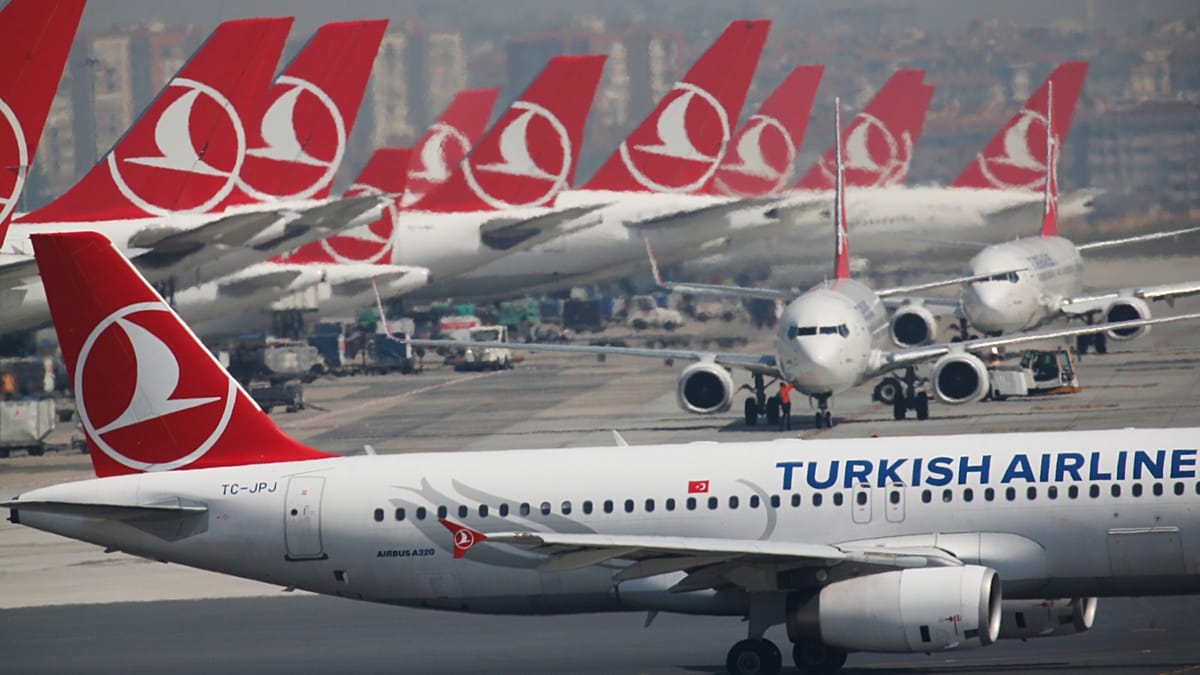
Half-term travel plans across Europe face significant disruption as airlines worldwide announce the cancellation of roughly 13,000 flights scheduled for May. The cuts, driven by a deepening jet fuel shortage linked to the Iran conflict, have already removed nearly two million seats from global schedules in the past two weeks alone, according to data from aviation analytics firm Cirium.
Cirium’s figures show that the total number of seats available globally in May dropped from 132 million to 130 million during the last two weeks of April. European carriers are among the hardest hit, with Turkish Airlines, Lufthansa, British Airways, and KLM all trimming capacity. The two-million-seat reduction does not account for what is expected to be a heavily disrupted summer for passenger aviation.
A Difficult Summer Ahead for Aviation
The jet fuel shortage, exacerbated by the closure of the Strait of Hormuz since February, has more than doubled fuel costs. The strait’s closure has cut off roughly a fifth of the world’s oil supply, creating a ripple effect across global aviation. Airlines have responded by raising fares on popular routes, cancelling less profitable services, and switching to smaller aircraft to conserve fuel.
Germany’s flag carrier, Lufthansa, has been particularly affected, cutting around 20,000 short-haul routes from its summer schedule. The airline’s struggles reflect broader pressures on European aviation as the crisis deepens. The situation is further complicated by the ongoing Iran conflict, which continues to threaten regional stability and supply chains.
In the United Kingdom, Transport Secretary Heidi Alexander announced a temporary suspension of the rule requiring airlines to use flight slots at UK airports or risk losing them to competitors. This move allows operators like British Airways to cut flights without penalty, providing some operational flexibility during the crisis. However, passengers on cancelled services may be rebooked onto flights on different days, potentially shortening their holidays.
The impact is already being felt by families who booked trips for the half-term break at the end of May. With many European schools and businesses scheduling holidays during this period, the cancellations could leave thousands scrambling for alternative arrangements. The crisis also raises questions about the resilience of Europe’s aviation network, which relies heavily on just-in-time fuel logistics.
Looking ahead, analysts warn that the summer season could see further disruptions as airlines continue to adjust schedules. The fuel shortage is not expected to ease quickly, and carriers may need to implement more permanent changes to their networks. For now, passengers are advised to check their flight status regularly and consider flexible booking options.
The broader economic implications are significant. Higher fuel costs and reduced capacity could lead to increased airfares across Europe, affecting both leisure and business travel. The crisis also highlights the continent’s vulnerability to geopolitical shocks in energy-producing regions, a concern that has prompted discussions about diversifying fuel sources and investing in alternative aviation technologies.