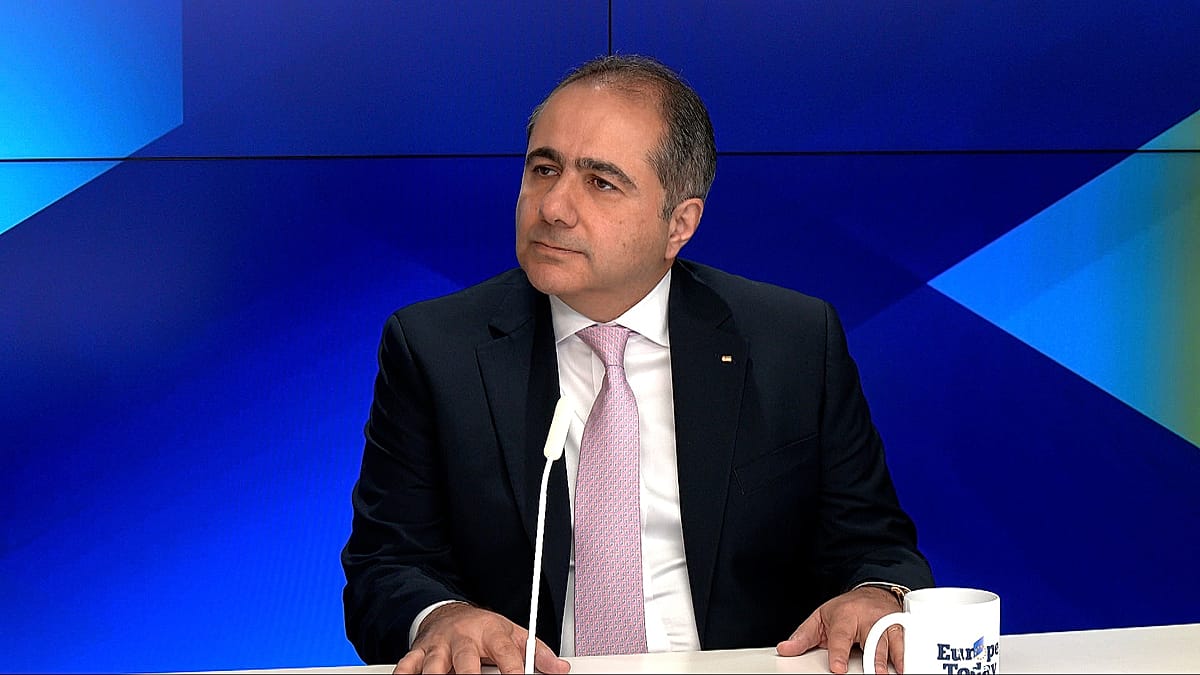
Jordan is positioning itself as a secure and reliable entry point for European business in the Middle East, according to Investment Minister Tareq Abu Ghazaleh. In a recent interview, he argued that the kingdom has "shown all investors" that it possesses a "resilient economy," capable of weathering regional turbulence and offering a stable base for long-term projects.
The pitch comes as Amman seeks to transform its existing €3 billion partnership with the European Union into a more dynamic economic relationship. Rather than relying solely on aid and grants, Jordan wants to attract European private capital into sectors where it sees genuine competitive advantages: renewable energy, digital infrastructure, transport logistics, and high-value manufacturing.
From aid to investment
Abu Ghazaleh stressed that the goal is to "elevate" the strategic partnership beyond traditional development assistance. "We are not looking for handouts," he said. "We want productive investment opportunities that benefit both Jordanian workers and European companies seeking a foothold in the region."
The minister highlighted Jordan's stability as a key selling point. Surrounded by conflict and political uncertainty, the Hashemite Kingdom has maintained a functioning democracy, a professional military, and a business-friendly legal framework. For European firms wary of risk, that predictability is increasingly valuable.
Jordan's location is another asset. It borders Saudi Arabia, Iraq, Syria, Palestine, and Israel, and its Red Sea port of Aqaba offers a gateway to Gulf markets. The country has also invested heavily in special economic zones and industrial parks designed to attract foreign manufacturers.
Energy and technology lead the way
Energy is a particularly promising area. Jordan imports most of its hydrocarbons, but it has one of the highest solar irradiation levels in the world. European companies, especially from Spain and Germany, have already helped build large-scale solar plants. The government now wants to expand storage capacity and integrate more renewables into the grid.
Technology is another focus. Amman has a young, educated population, and its IT sector has produced several regional success stories. The minister pointed to opportunities in fintech, cybersecurity, and data centres, where European expertise could complement local talent.
Logistics also feature prominently. Jordan's location makes it a natural hub for transshipment and e-commerce fulfilment, particularly if trade routes through the Red Sea remain volatile. The government is upgrading highways and rail links to improve connectivity with neighbouring markets.
A broader European strategy
Jordan's overture comes at a time when the EU is rethinking its engagement with the southern neighbourhood. Brussels has pledged to boost investment in infrastructure and green energy across the Mediterranean, partly to reduce migration pressures and partly to counter Chinese and Gulf influence.
Some European officials see Jordan as a test case for a new model of partnership, one that moves beyond conditionality and towards co-investment. The country's debt sustainability and reform record remain concerns, but its stability and openness to foreign ownership are seen as mitigating factors.
For European businesses, the message is clear: Jordan offers a relatively low-risk entry point into a volatile region. As the minister put it, "We are becoming a safe gateway for our neighbours, and for Europe."
The coming months will show whether that rhetoric translates into signed deals. But with the EU's own strategic priorities shifting, Jordan's pitch may find a receptive audience in Brussels and in national capitals from Berlin to Madrid.