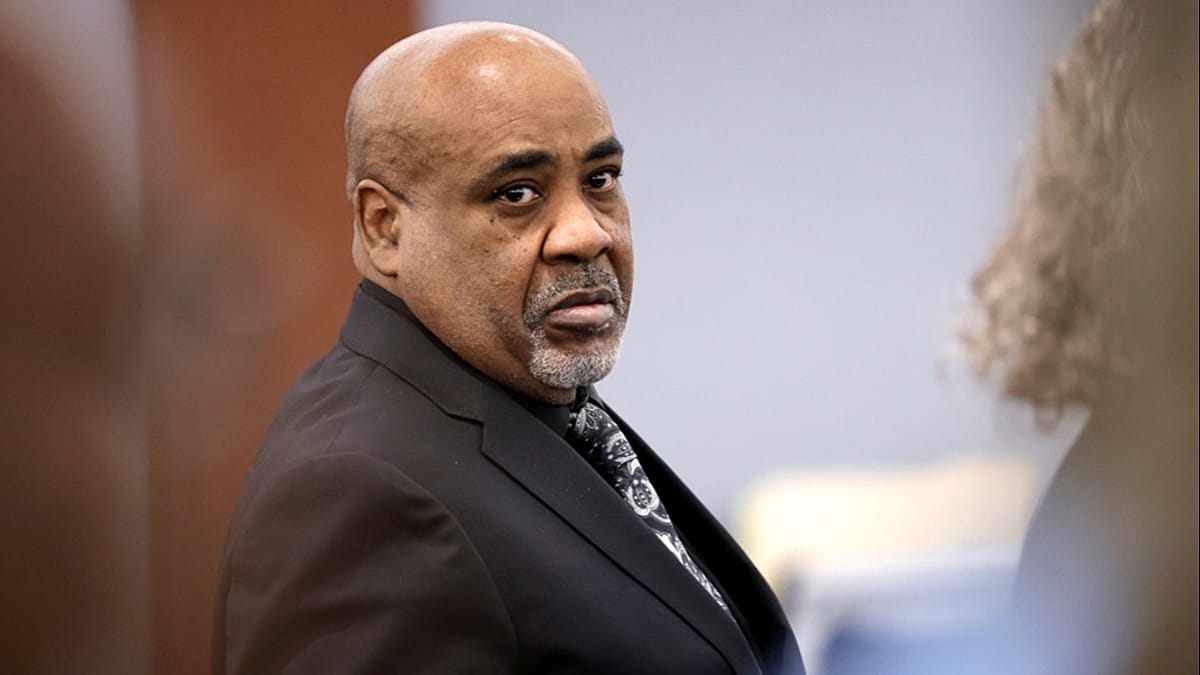
A jury in Las Vegas has convicted Duane “Keffe D” Davis of first-degree murder in the 1996 drive-by shooting of hip-hop icon Tupac Shakur, bringing a long-awaited conclusion to one of the most enduring mysteries in music history. The verdict, delivered after less than three hours of deliberation, marks the first criminal conviction in a case that has fueled speculation and conspiracy theories for nearly three decades.
Davis, 63, was found guilty on Monday of one count of murder with a deadly weapon. He faces a potential sentence of life in prison. The trial, which lasted several weeks, heard from 24 prosecution witnesses and three for the defense. After the verdict was read, Shakur's sister, Sekyiwa “Set” Shakur, embraced prosecutors, while Davis's son covered his face with his hand.
A case that refused to fade
The shooting occurred on the night of September 7, 1996, in Las Vegas. Shakur was riding in a BMW with Death Row Records co-founder Marion “Suge” Knight when a white Cadillac pulled up alongside them at a red light. Gunfire erupted, striking Shakur multiple times. He died six days later at a local hospital. Knight was injured but survived.
For years, the case went cold, with no arrests. Davis, a former gang leader from Compton, California, had long been a person of interest. In his 2019 memoir, Compton Street Legend, and in numerous interviews, he placed himself in the Cadillac and admitted to handing a gun to the back seat, though he never explicitly named the shooter. Prosecutors argued that Davis, as the senior gang figure in the car, orchestrated the attack.
Chief Deputy District Attorney Binu Palal told jurors in closing arguments that Davis acquired a weapon and “went hunting” for Shakur and Knight after his nephew had been beaten up earlier that night. “He is responsible for the murder of Tupac Shakur,” Palal said. “Tell him you hear him. Find him guilty.”
Defense attorney Michael Sanft countered that there was no physical evidence linking Davis to the shooting. He argued that Davis's book and public statements were exaggerated bravado designed to make money, not to confess. “This is a man who has been telling stories for years,” Sanft said. “Stories that changed with each telling.”
Prosecutors pointed to a scrapbook Davis kept containing articles about Shakur. “This guy's scrapbooking his murder, for God's sake,” said prosecutor Marc DiGiacomo in rebuttal. They also played an interview in which Davis encouraged people to buy his book to get the “real truth.”
The jury of 16, including four alternates, appeared to side with the prosecution's narrative. The panel rejected the defense's argument that Davis was merely a witness, not a perpetrator. The conviction carries a possible life sentence, with sentencing scheduled for October.
Davis is expected to appeal, a process that could extend the legal saga further. His attorney has indicated that the defense will challenge the sufficiency of the evidence and the credibility of key witnesses.
For Shakur's fans worldwide, the verdict closes a chapter that has haunted hip-hop culture. Shakur, who was 25 at the time of his death, is widely regarded as one of the most influential rappers of all time, with albums like All Eyez on Me and Me Against the World cementing his legacy. His music continues to resonate, and his murder has been the subject of documentaries, books, and endless online debate.
The case also highlights the broader issue of unresolved violence in the hip-hop community, a topic that remains relevant today. While this conviction brings a measure of justice, it also raises questions about the many other unsolved killings from that era.
As the legal process moves forward, the Shakur family has remained largely silent, saying they will wait until sentencing to speak. For now, the verdict stands as a testament to the persistence of investigators and prosecutors who refused to let the case die.