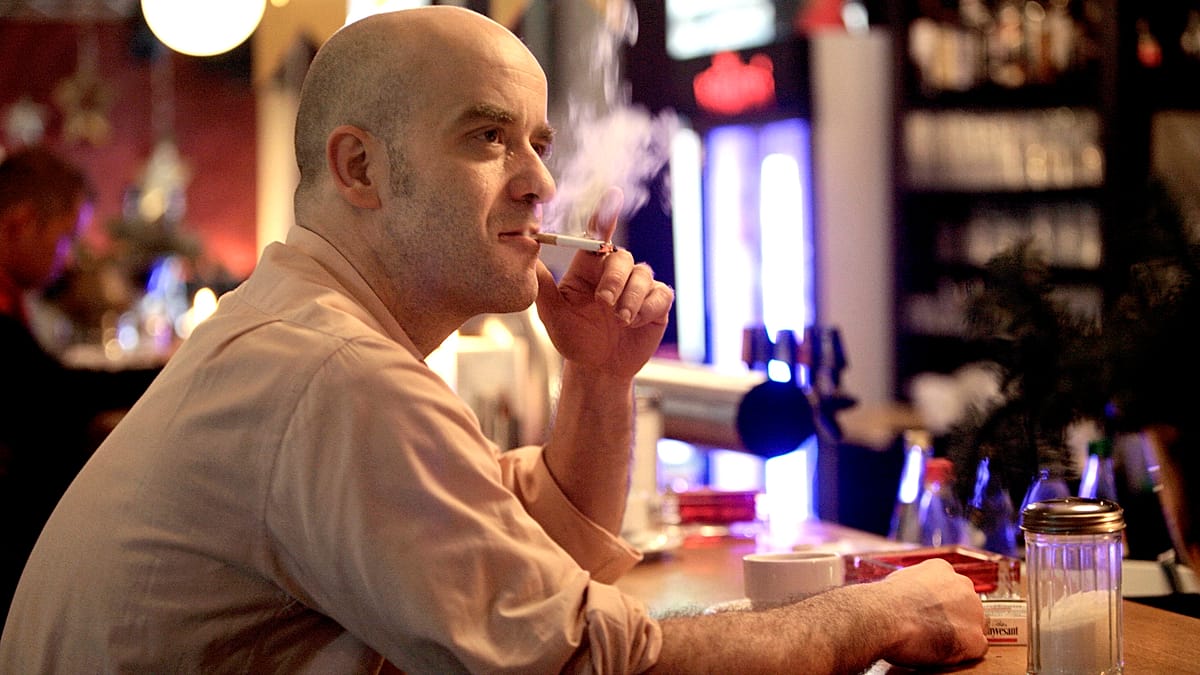
Smokers in Germany will face steadily rising costs over the next few years after the Bundestag approved a phased increase in tobacco taxes. A standard pack of 20 cigarettes, which currently averages around €8.05, is projected to climb to €8.77 in 2027, €9.56 in 2028, €10.42 in 2029, and €11.36 by 2030. Premium brands could reach as high as €14, while hand-rolling tobacco will also become noticeably more expensive.
The increases bring German prices closer to those in other Western European countries, though they will still lag behind the most expensive markets such as Ireland, France, and the Netherlands. The government expects the measure to generate an additional €12 billion over four years, with revenues rising from €1.5 billion in 2027 to €4.5 billion in 2030. In the previous year, tobacco duty contributed €17.6 billion to state coffers.
Revenue goals versus public health aims
The legislation is partly a fiscal exercise, as acknowledged by SPD MP Ingo Vogel during the Bundestag debate. He noted that the reform also serves a public health objective: making nicotine less appealing. Vogel welcomed the decision to keep tax increases on cigars and cigarillos lower than originally planned, but said taxes on e-cigarette liquids would rise slightly more than expected. “Inexpensive products, in particular, should not become an easy gateway to nicotine consumption, which is why we are raising the price threshold in this area,” he said.
Vogel also addressed concerns raised by customs officials about a potential surge in the black market. “We are taking these worries very, very seriously,” he said, adding that if demand shifts to illegal channels, “we will not only lose out financially, but we will also have to deal more with criminal networks.”
The tobacco industry, however, doubts the government will achieve its revenue targets. Industry representatives warn that higher taxes could push consumers toward cheaper cigarettes from other EU countries or unregulated sources, hitting legal retailers hardest. CDU MP Carsten Brodesser called for more moderate increases, arguing that steep hikes risk lower tax revenues and damage the legal trade. His proposal was not adopted.
Political divisions over the tax hike
The far-right AfD criticised the increase, with MP Christian Douglas pointing to an apparent contradiction: the government justifies higher taxes on health grounds while simultaneously expecting higher revenues, suggesting it does not truly anticipate a decline in consumption. The Greens support higher tobacco taxes in principle but consider the planned increases too modest. Die Linke, like the AfD, voted against the reform.
Health experts back the price rise as an effective tool to encourage quitting. According to the 2025 microcensus, around 19% of Germans aged 15 and over smoke, with 14% doing so regularly and 5% occasionally. The German Cancer Research Centre estimates that about 131,000 people died from tobacco-related illnesses in 2023.
Germany's approach mirrors broader European debates on tobacco taxation and public health. For instance, similar discussions are underway about sugary drink taxes as governments seek to influence consumption patterns. The gradual nature of the German increase may also reflect lessons from other countries where sudden hikes triggered cross-border shopping or illicit trade.
As prices rise, the government will need to monitor whether the expected revenue materialises or whether smokers find alternative sources. The outcome could shape future tax policy not only in Berlin but also in other capitals watching Germany's experiment.