EU foreign policy chief Kaja Kallas has called for the Strait of Hormuz to remain toll-free once the conflict between the United States and Iran ends, following a meeting with Iranian Foreign Minister Abbas Araghchi on the sidelines of the UN General Assembly in New York.
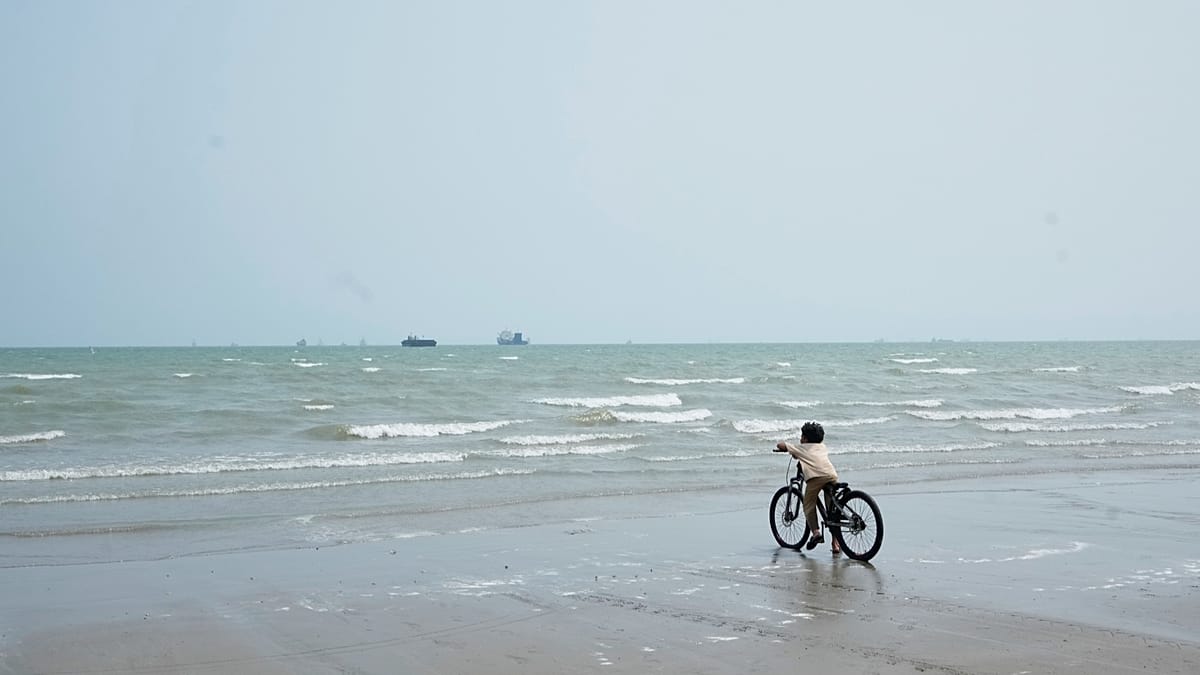
In a post on X after the talks, Kallas stressed that navigation through the strait must be "free and unimpeded," noting that no fees were charged before the war. She extended the same principle to the Bab al-Mandab Strait at the southern end of the Red Sea, a critical chokepoint for global shipping.
The meeting came as US and Iranian negotiators held indirect talks in New York, with US envoys Steve Witkoff and Jared Kushner on one side and Araghchi leading the Iranian delegation. Witkoff described the discussions as "successfully completed," with another round expected soon. US President Donald Trump, addressing the General Assembly, said he faced a "big decision" on whether to strike a deal with Iran, but the gap between the two sides remains wide.
Iran's parliament complicates the picture
Kallas's call for toll-free passage clashes with a recent move by Iran's parliament, which has approved rules to fine ships crossing the strait without authorisation. This legislative step underscores the fragility of any agreement and the challenges ahead for diplomatic efforts.
Meanwhile, Iranian-backed Houthi forces have escalated attacks on Saudi Arabia, opening a second front in the war that began in February. The conflict has already disrupted global oil markets, with oil prices sliding as the first direct talks between Washington and Tehran took place.
Kallas also said she raised human rights concerns with Araghchi, pointing to a sharp rise in executions and death sentences in Iran. The EU has repeatedly condemned the practice, and Kallas's remarks reflect the bloc's broader push for adherence to international law.
Iran accuses Europe of double standards
Araghchi also met Dutch Foreign Minister Tom de Bruijn in New York, where he strongly criticised what he called "the double standards of European countries" regarding regional developments. According to a statement from his Telegram channel, Araghchi accused European nations of remaining silent or even supporting "blatant military aggression by the US and Israel against Iran" while claiming to uphold the rule of law and human rights.
De Bruijn emphasised the importance of diplomacy and outlined the Netherlands' perspective on regional developments and Iran-Europe interactions.
The European External Action Service said Kallas arrived in New York with a clear and united message: international law and the UN Charter must be upheld, sovereignty and territorial integrity must be respected, and violations must not go unpunished. This stance aligns with the bloc's broader agenda at the General Assembly, where EU leaders have been pressing for a rules-based international order.
Kallas, alongside European Council President António Costa and Commission President Ursula von der Leyen, represented the EU at the eighth trilateral meeting with the African Union and the United Nations on Sunday. The trio also held talks with UN Secretary-General António Guterres. On Tuesday, they attended the opening of the General Debate, and Kallas co-hosted a high-level event on global food security and the Black Sea with Ukraine, France, and Romania. On Wednesday, she is set to co-host the annual EU-CELAC foreign ministers' meeting with Uruguay and a ministerial event on maritime security.
The EU's engagement at the UN comes as the bloc navigates a complex geopolitical landscape, balancing its support for Ukraine with the need to address crises in the Middle East. The situation in the Strait of Hormuz remains a key concern for European energy security, with French President Emmanuel Macron urging the EU to loosen fuel rules as the closure bites. The outcome of the US-Iran talks will be closely watched in Brussels, as any disruption to shipping lanes could have significant economic repercussions for the continent.