Brussels — The European Union's top diplomat has warned that suspected Russian drone strikes on civilian shipping in the Black Sea are compounding threats to global food security, as Ukraine loses an estimated €60 million a day in export revenue.
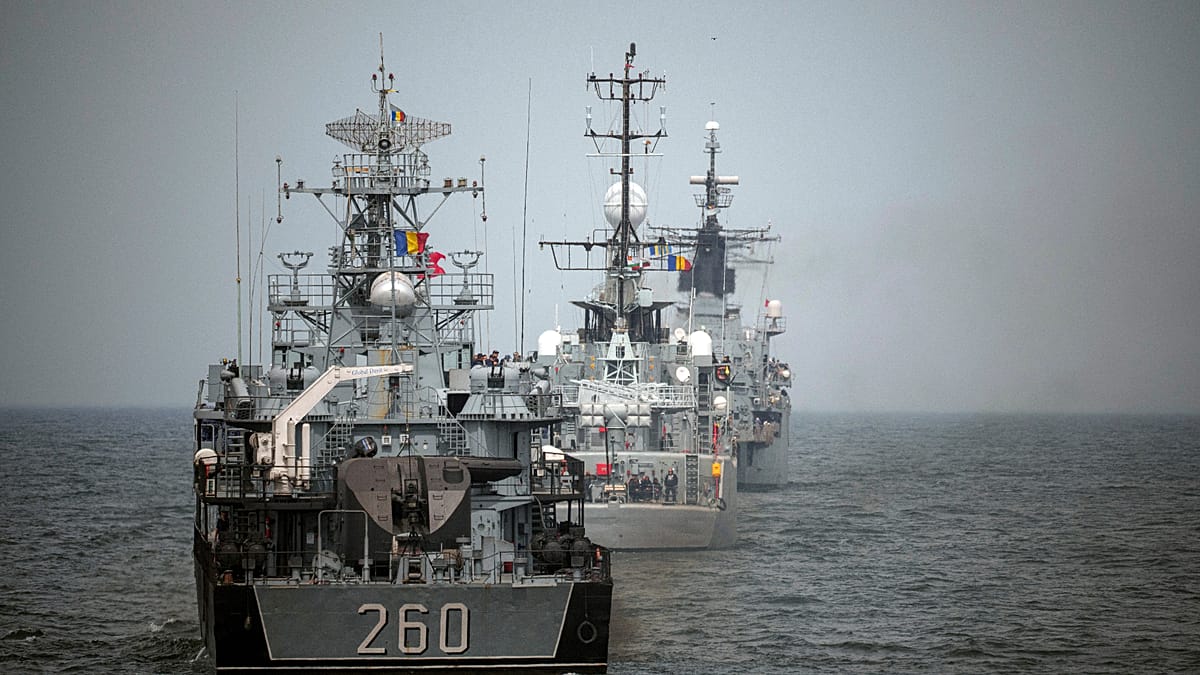
Speaking to the European Parliament on Tuesday, Kaja Kallas, the EU's High Representative for Foreign Affairs and Security Policy, said vessels had come under attack six times in the past ten days, calling it "a dangerous and unacceptable escalation." The strikes have occurred off the coasts of Romania and Bulgaria, both EU and NATO members, raising alarm across the continent.
Kallas accused the Kremlin of trying to strangle Ukraine's economy while its forces make only limited progress on the battlefield. Ukraine is one of the world's largest exporters of wheat, maize, and barley, and the vast majority of its grain leaves via Black Sea ports.
While global grain stockpiles are larger than they were in 2022, when a Russian blockade stranded 20 million tonnes of Ukrainian grain, Kallas said the current situation is more precarious. "Global grain stockpiles are larger than in 2022," she said, "but the global food system is now facing a perfect storm: a super El Niño, drought in both hemispheres, and conflict in the Middle East, straining fertiliser exports."
She added: "Russia's actions make it harder to put food on people's plates across the world."
EU solidarity lanes under threat
Since 2022, the EU has developed overland "solidarity lanes" to move Ukrainian goods through member states, bypassing the Black Sea. Kallas warned that these routes are now also at risk, as Russia targets border crossings with Moldova, Romania, and Poland.
Last week, EU leaders called for the immediate restoration of safe passage for civilian shipping in the Black Sea. The demand came amid growing concern that the attacks could disrupt global grain supplies and push up food prices, particularly in developing countries that rely heavily on Ukrainian exports.
The strikes also raise security questions for NATO members in the region. Romania and Bulgaria have both reported drone debris on their territories, and their air forces have been scrambled to monitor the incidents. The EU has condemned the attacks and called for a full investigation.
Kallas's remarks come as the EU continues to support Ukraine's defence, including through financial aid and military assistance. The bloc has also imposed successive sanctions on Russia, though some member states, particularly the Visegrád Four, have pushed back on plans to end Russian energy imports by 2027.
The situation in the Black Sea remains tense, with no immediate sign of de-escalation. As the EU weighs its next steps, the impact on global food security is likely to remain a central concern for policymakers and humanitarian organisations alike.