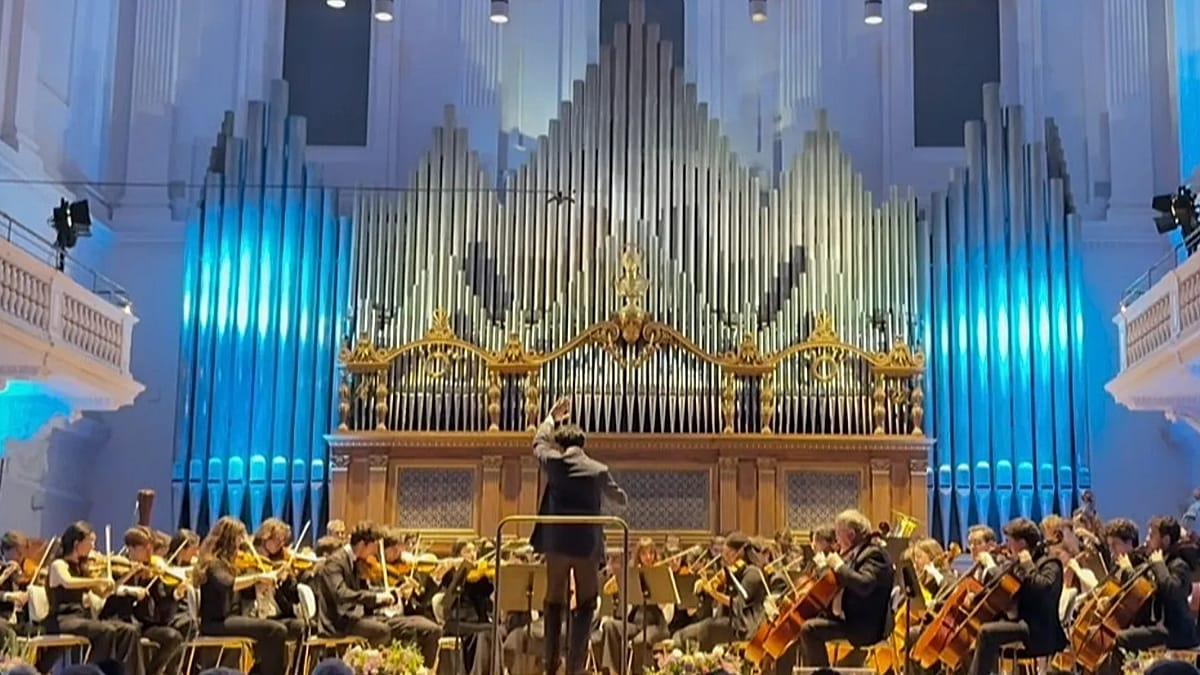
In a display of deepening cultural diplomacy, Kazakhstan and Italy came together in Rome for a concert that fused Italian opera with Kazakh classical traditions. The event, titled "Armonia della Musica," was held at the Grand Academic Hall of the Santa Cecilia Conservatory, a venue renowned for its monumental pipe organ and soaring 14-metre ceilings.
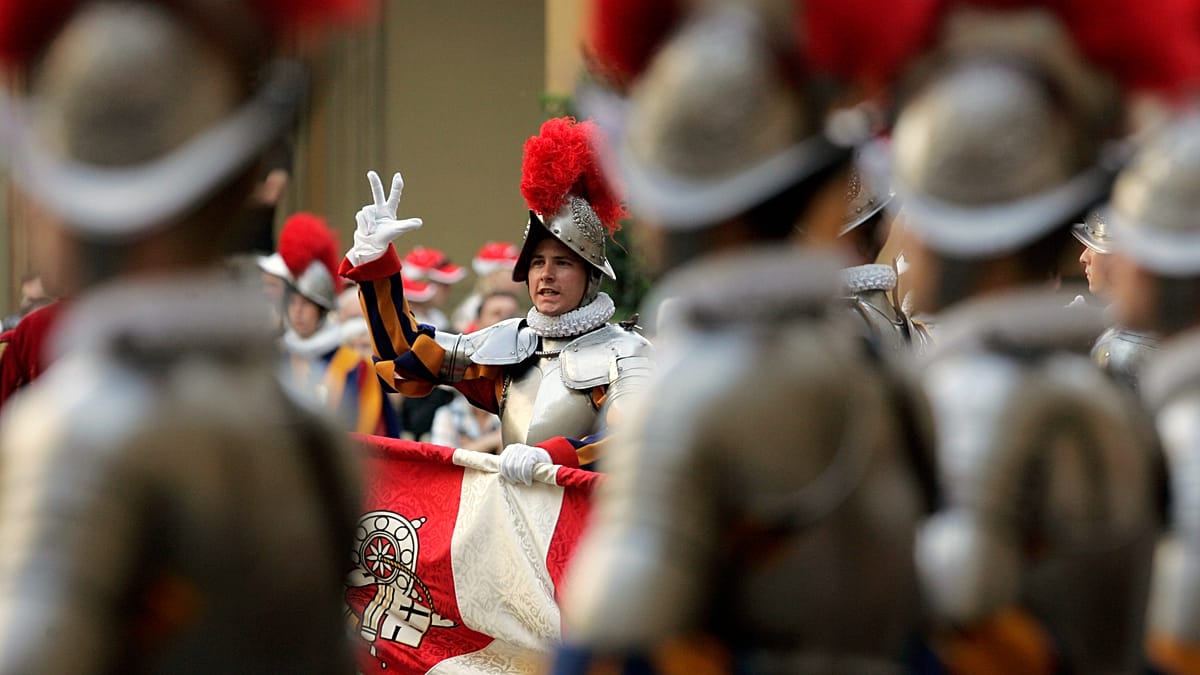
The concert served a dual purpose: it celebrated the opening of Kazakhstan’s embassy to the Holy See and marked the first anniversary of Pope Leo XIV’s pontificate. The evening also commemorated the 120th anniversary of the birth of Akhmet Zhubanov, Kazakhstan’s first professional conductor and a foundational figure in the country’s classical music scene.
A Night of Musical Fusion
The programme featured works by Italian composers Giuseppe Verdi and Giacomo Puccini alongside compositions by Kazakh musicians Akhmet Zhubanov and Latif Khamidi. The performance was conducted by Elmar Buribayev, Zhubanov’s great-grandson, who led the orchestra through a repertoire that bridged two distinct musical heritages.
Serbian violinist Ilija Marinković performed Zhubanov’s aria for violin and orchestra, while soloists from Astana Opera shared the stage with performers from the Santa Cecilia Conservatory. Among them was Kazakh soprano Maria Mudryak, who described the experience as "truly a special and unforgettable experience to perform on the stage of the Santa Cecilia Conservatory and represent Kazakhstan at this event."
The concert reflected a broader trend of cultural exchange between Central Asia and Europe. For Italy, which has long been a hub for opera and classical music, such collaborations reinforce its role as a cultural bridge. For Kazakhstan, the event highlighted its efforts to project soft power through the arts, a strategy that has gained momentum in recent years.
The opening of Kazakhstan’s embassy to the Holy See is a significant diplomatic milestone. The Vatican, as a sovereign entity with global influence, offers a unique platform for dialogue. This move aligns with Kazakhstan’s broader foreign policy, which emphasizes multilateralism and interfaith dialogue. The country has hosted several rounds of the Congress of Leaders of World and Traditional Religions, a forum that brings together religious figures from around the world.
Italy and Kazakhstan have cultivated increasingly close ties in recent years, driven by economic cooperation and cultural exchange. Italian companies are active in Kazakhstan’s energy sector, and the two countries have signed agreements on education and scientific research. The concert in Rome is a testament to the growing importance of cultural diplomacy in their bilateral relationship.
For those interested in exploring more of Europe’s cultural offerings, Europe's 2026 Hidden Gems highlights destinations that blend tradition with discovery. Meanwhile, Prizren in Kosovo offers another example of how cultural heritage can draw visitors and foster international connections.
As Kazakhstan deepens its engagement with European institutions, events like the Rome concert serve as a reminder that music and art can transcend political boundaries. The collaboration between Astana Opera and the Santa Cecilia Conservatory is likely to inspire further joint projects, strengthening the cultural fabric that connects Central Asia and Europe.