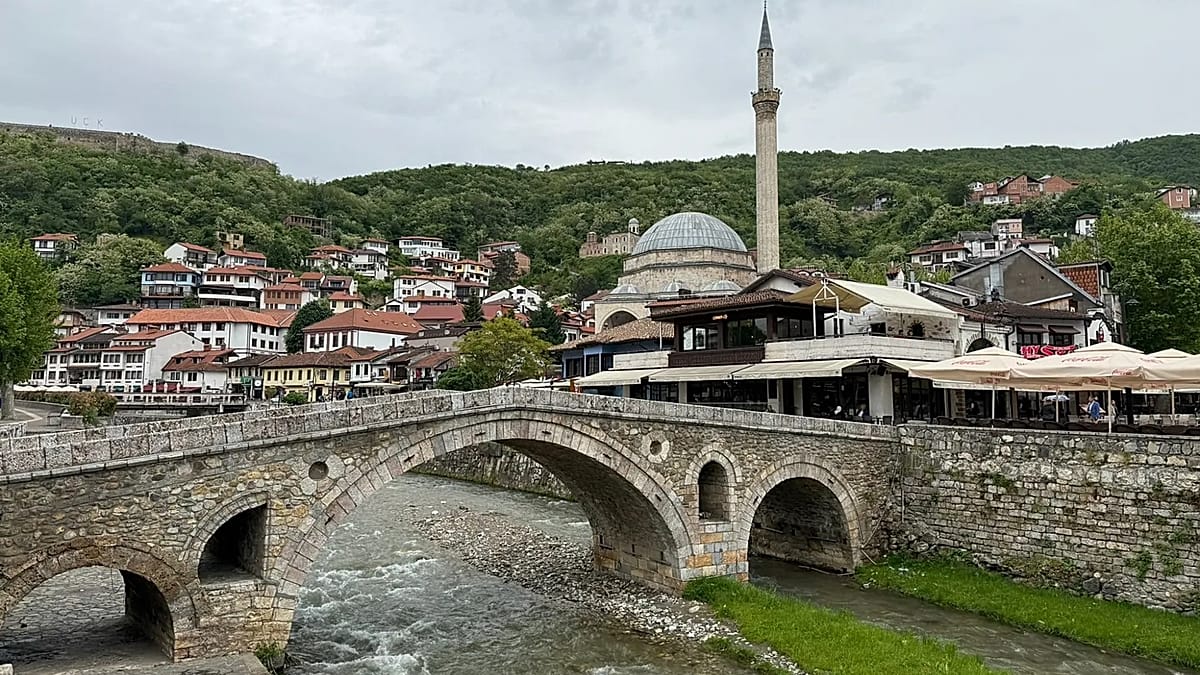
Kosovo may be one of Europe's least-visited destinations—just over 450,000 travellers arrived in 2025—but its cultural capital, Prizren, packs centuries of history into a compact, walkable city. For those with only 24 hours, here is a curated itinerary that captures the essence of this Ottoman- and Byzantine-influenced gem.
Morning: Bridges, Mosques, and Frescoes
Start at the Old Stone Bridge over the Prizren Bistrica river. Originally built in the 16th century, the current structure dates from the early 1980s after floods destroyed the original. It remains the city's most iconic sight. For the classic photograph, cross to the side opposite Shadërvan Square, framing the bridge with the Sinan Pasha Mosque behind it.
Next, visit the Sinan Pasha Mosque, completed in 1615. Its interior is adorned with floral motifs and Arabic script. As with all mosques, remove your shoes before entering; women should cover their hair—headscarves are available at the entrance.
A short walk away lies Our Lady of Ljeviš, a 14th-century Serbian Orthodox church and part of UNESCO's Medieval Monuments in Kosovo. The frescoes inside, painted by Byzantine Greek artist Michael Astrapas and his associate Eutychios, depict rare themes such as the transience of life from the tale of Barlaam and Ioasaph, with personifications of day and night representing the New and Old Testaments. The church was converted to a mosque in the 15th century, and some Arabic script remains visible in the entryway. Entry is restricted due to damage during the 2004 unrest; you will need to show ID to the police guard outside.
Afternoon: Museums and Fortress Views
Prizren's Archaeological Museum is housed in a former Ottoman hammam. Exhibits include the famous Runner of Prizren and other local discoveries. Climb the adjacent clock tower for sweeping city views. Another bathhouse, the Gazi Mehmet Pasha Hammam, has served as a cultural space but is currently closed for renovations.
The Albanian League of Prizren Museum details the political group's history and features an ethnographic section displaying traditional Albanian costumes from various regions. Kosovo's flag, with its six stars representing major ethnic groups, underscores the Albanian community's significance.
End the afternoon with a hike up to Kalaja Fortress, a 15-minute climb from the city centre. The fortress, dating from Byzantine times, offers unrivalled views over Prizren—an ideal spot for sunset. It is free to enter, though closing time is 7 pm; if sunset lingers later, you can photograph from the road or outside the main gate. Inside, you will see the UCK sign (Ushtria Çlirimtare e Kosovës, or Kosovo Liberation Army), a symbol found throughout the country.
Evening: Food, Drink, and Local Traditions
In Shadërvan Square, drink from the water fountain—local lore says it guarantees your return. The square is also the heart of Prizren's dining scene. Like much of the Balkans, Kosovo excels at byrek (savoury pastry), and you will find it at many spots. The Ottomans also introduced boza, a fermented corn drink.
For a drink with a view, try BarAca, tucked behind Sinan Pasha Mosque. Alternatively, Te Kizini serves very cold draught Peja beer and bottled craft options. If your visit coincides with late May, consider Bunar Fest, where residents tube down the Prizren Bistrica—an all-day, all-night river celebration.
Prizren may be a short stop, but its layered history—from Ottoman mosques to Byzantine frescoes, from Albanian League heritage to modern riverside cafés—makes it a compelling destination for any traveller exploring Europe's lesser-known corners. For more on Europe's cultural highlights, see our coverage of Time Out's top cultural cities for 2026.