Andros, the second-largest island in the Cyclades after Naxos, has long been defined by its maritime heritage. For generations, its men sailed the world's oceans, while those who remained—mostly women—tended livestock and cultivated the fertile Livadia valley. Today, the island is charting a new course, leveraging its agricultural treasures—lemons, wine, and cheese—to build a modern, sustainable economy.
The Lemon: A Golden Legacy
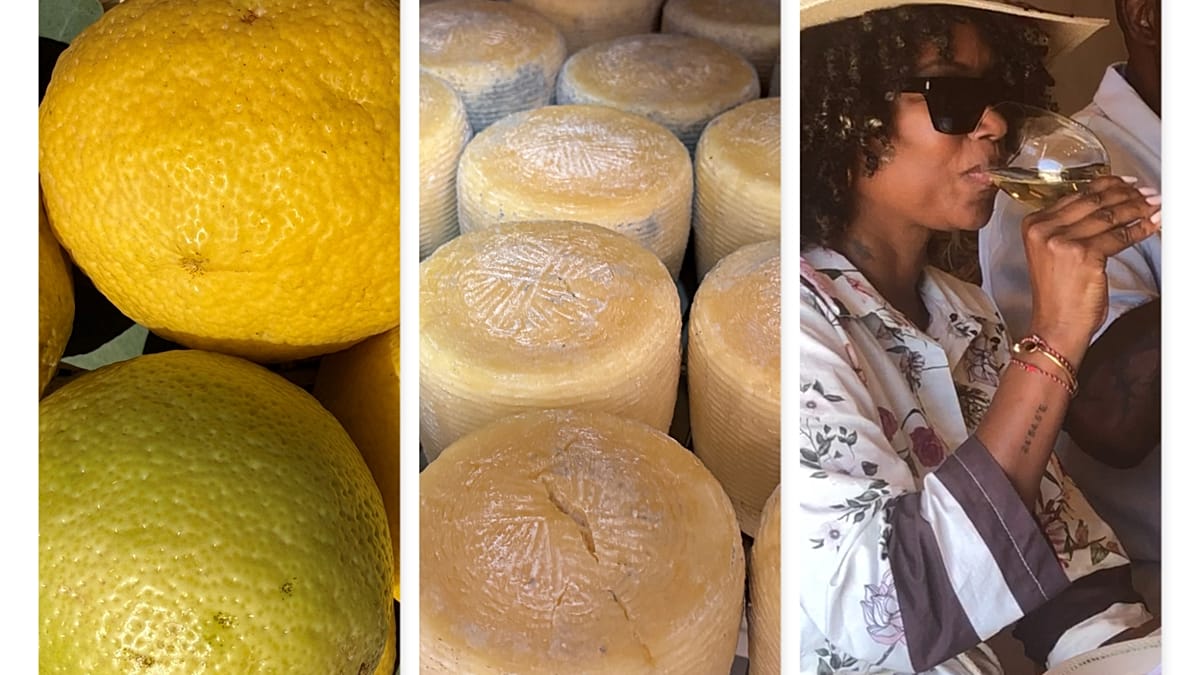
From the 17th century until the mid-20th, Andros's lemons were exported across the Mediterranean, Central Europe, and Russia. The annual Lemon Festival in the town of Andros celebrates this heritage. “We celebrate the fragrant lemon of Andros, which is renowned. Many women and local associations come with their own homemade products,” said Laskaró Stefanou, cultural councillor of the Municipality of Andros. Farmer and cook Charikleia Daniolou added, “The lemon is the gold of Andros. There were years when people lived off lemons; now that is no longer the case. But we want to preserve our tradition.”
Production has declined, but the fruit remains a source of pride. Despina Petta, president of the Mainites cultural association, noted, “The lemons of Andros used to be famous. Production was high and they reached as far as the Black Sea. Today production is much smaller, but it remains an important product. We make lemonades, spoon sweets, and lemon blossom, which is very delicious and unique.”
Wine: A Revival on Schist Soils
The island's schist soils, meltemi winds, and sea spray create an ideal microclimate for viticulture. In recent years, modern wineries have revived Andros's vineyards, putting it on the wine tourism map. The Kourtesis vineyard, laid out on stone-built terraces known as aimasies at 100 metres above sea level near the town, offers guided tours and tastings from its semi-underground winery.
Oenologist Vasso Chaviaraki, originally from Andros, returned from Athens to produce organic wines and olive oil. “Our aim is to make the wine of Andros known to tourists. We organise wine tastings. Traditionally, households make their own wine and tsipouro. Our goal is to become known worldwide and for people to come here to taste our mavrotragano and potamisi wines,” she said.
American visitors like Troy Porter and his wife, who bought a house on the island, are spreading the word. “It’s very relaxing and peaceful here. It’s quiet and people are kind. Everyone has positive energy and treats us as if we were part of their family. Tranquillity is the key word,” Porter said.
Cheese: A Dairy Tradition
In the Korthi area, the Krevasara dairy, run by the Asouti family since 2009, produces Volaki—the traditional cheese of Andros—alongside ladotyri, krasotyri, petrotí, and bourniá. Cheesemaker Nikos Asoutis, a graduate of the Dairy School of Ioannina, processes about 500 kilos of milk daily from his own cows and five other local farmers. “It has a distinctive flavour; it’s made purely from cow’s milk, pasteurised. Most is produced on the island, where the animals roam free. Besides the local market, you can find it in Athens, Thessaloniki, and across Greece,” he said.
Yet island entrepreneurship faces hurdles. Transport costs are high, and labour is scarce. Assistant cheesemaker Maria Doli, who moved from Athens to help, explained, “Life in the countryside is lovely, but there are many problems. There are no hands, no workforce to help any kind of business.”
Andros's story mirrors broader European trends in rural revitalisation and sustainable tourism. As the island builds on its traditions, it offers a model for other regions seeking to balance heritage with economic resilience. For more on how Andros is leveraging its natural assets, see our piece on how hiking trails transformed the island's tourism.