As overtourism strains iconic cities like Paris, Rome, and Barcelona, savvy travellers are turning to lesser-known corners of Europe for 2026. From the truffle-scented alleys of Croatian hill towns to the quiet shores of Italian lake islands, the continent still holds secrets worth uncovering.
Medieval Charms and Culinary Delights in Croatia
Inland from the Adriatic coast, the Istrian peninsula offers a medieval landscape dotted with hilltop villages such as Motovun and Grožnjan. These settlements, perched above vineyards and olive groves, are renowned for their white truffles—a delicacy that draws food enthusiasts each autumn. The region's gastronomic scene, paired with Roman ruins and Venetian architecture, provides a rich alternative to Dubrovnik's summer crush. For those seeking coastal escapes, the islands of Cres and Lošinj offer unspoiled nature and quiet coves, accessible by ferry from Rijeka.
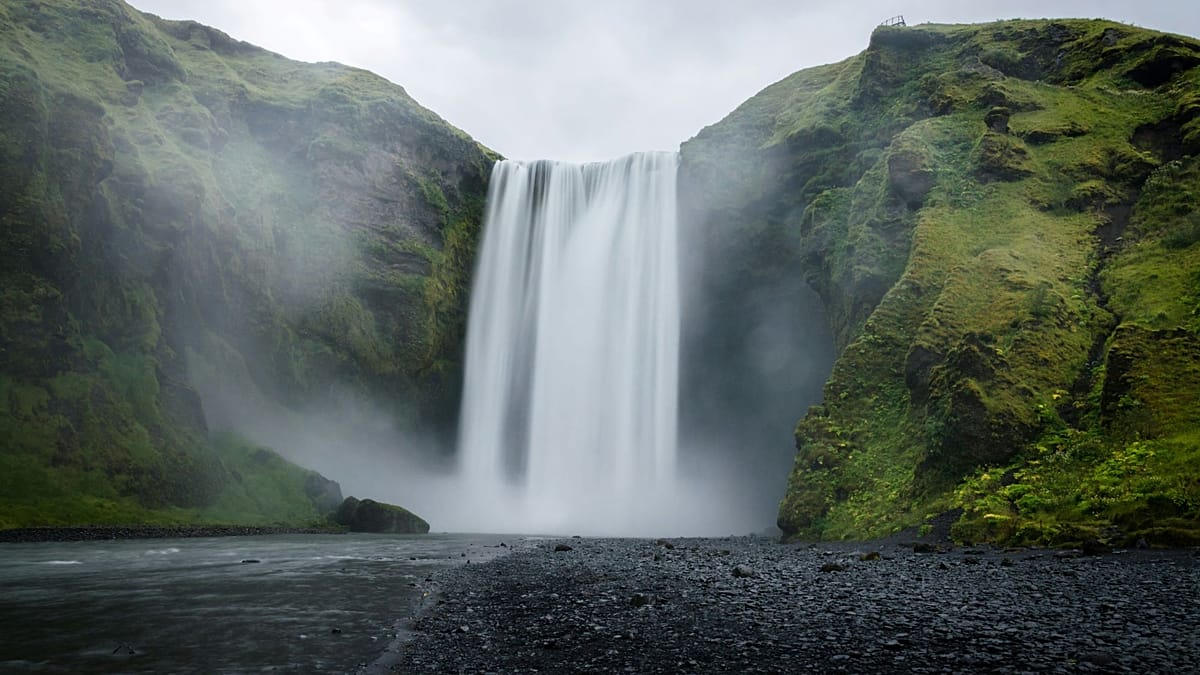
Meanwhile, the Dalmatian hinterland reveals the Krka National Park, where waterfalls cascade into emerald pools, and the historic town of Šibenik, home to a UNESCO-listed cathedral. These spots remain relatively uncrowded compared to Plitvice Lakes, yet offer comparable beauty. As budget-conscious travellers look to stretch their euros, Croatia's interior provides affordable accommodation and local cuisine.
Italian Lake Islands: Tranquility on Water
Italy's Lake Maggiore, often overshadowed by Lake Como, harbours the Borromean Islands—a cluster of Baroque gardens and palaces accessible by boat. Isola Bella, with its terraced gardens and palazzo, feels like a floating stage, while Isola dei Pescatori retains a fishing village atmosphere. Nearby, the town of Stresa offers elegant hotels and lakeside promenades without the celebrity price tag. For a more secluded experience, the lesser-known Lake Orta, with its island sanctuary of San Giulio, provides a meditative retreat just an hour from Milan.
These destinations align with a broader trend: travellers seeking authenticity over Instagram fame. As platforms like Airbnb expand into full-service travel, the demand for unique, local experiences grows. Italy's lake region, with its slow pace and culinary traditions, fits this shift perfectly.
Beyond the Beaten Path: Other European Secrets
In Slovenia, the Julian Alps hide the Soča Valley, where turquoise rivers carve through gorges, and the town of Bovec offers rafting and hiking without the crowds of Bled. Further east, Romania's Maramureș region preserves wooden churches and traditional villages where horse-drawn carts still outnumber cars. For island lovers, Greece's Folegandros—a quieter sibling to Santorini—boasts cliffside paths and empty beaches, while the Azores archipelago in Portugal offers volcanic landscapes and whale-watching in a temperate climate.
These hidden gems also reflect changing travel patterns. As inflation shifts Aegean travel patterns, destinations like Folegandros benefit from increased interest from Turkish tourists seeking affordable alternatives. Meanwhile, the EU's push for a single-ticket system to boost cross-border rail travel could make these off-the-beaten-path locations more accessible by train, reducing reliance on flights.
For 2026, Europe's hidden gems offer more than just respite from crowds—they provide a deeper connection to the continent's diverse cultures and landscapes. Whether it's truffle hunting in Istria, rowing to a lake island in Piedmont, or hiking the Soča Trail, these destinations remind us that discovery is still possible.