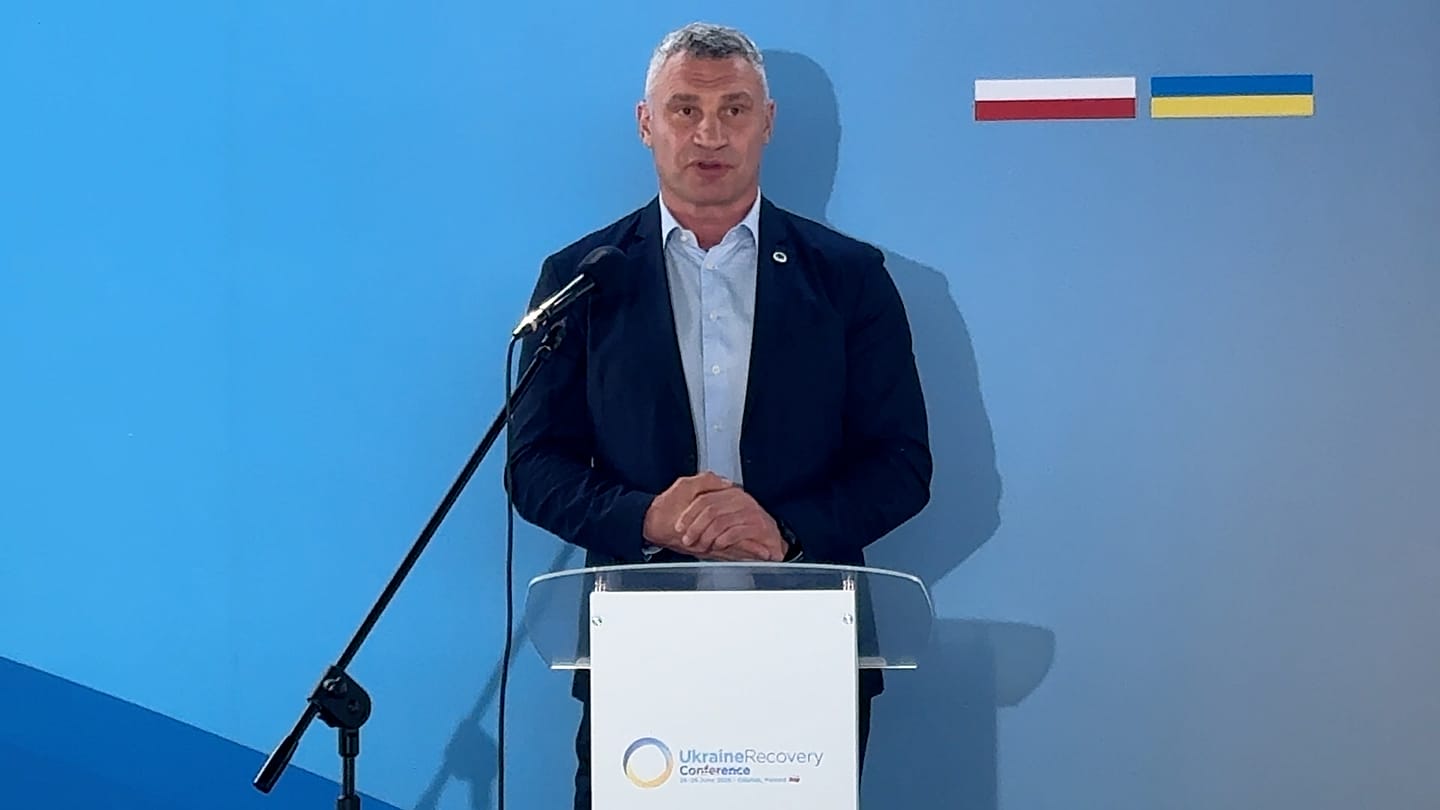
Speaking at the Ukraine Recovery Conference in Gdańsk, Kyiv Mayor Vitali Klitschko urged his country to emulate Poland's post-communist transformation as a blueprint for rebuilding and modernising Ukraine. The conference, held in the historic Polish port city, brought together European officials, business leaders, and civil society to discuss the country's long-term reconstruction amid the ongoing war with Russia.
Klitschko acknowledged recent diplomatic tensions between Kyiv and Warsaw, particularly over grain exports and historical grievances, but stressed that the atmosphere in Gdańsk was notably friendly and constructive. 'Ukraine must do exactly what Poland did,' he said, referring to the rapid infrastructure upgrades, institutional reforms, and integration with European markets that propelled Poland's economy after 1989.
Poland's Transformation as a Template
Poland's transition from a centrally planned economy to a dynamic EU member state is often cited as one of Europe's success stories. Since joining the European Union in 2004, the country has attracted billions of euros in cohesion funds, modernised its transport networks, and built a competitive manufacturing base. Klitschko argued that Ukraine, with its vast agricultural potential and skilled workforce, could replicate this trajectory if it commits to similar reforms.
'We have the people, the resources, and the will,' the mayor stated. 'What we need is a clear roadmap and sustained international support.' He pointed to Poland's experience in upgrading its road and rail systems, as well as its success in attracting foreign direct investment, as models for Ukraine's post-war recovery.
The conference comes at a critical juncture for Ukraine, which is simultaneously fighting a war and planning for reconstruction. The European Union has already disbursed billions in loans and grants, including a recent €3 billion loan and the first tranche of a €90 billion loan package. These funds are intended to stabilise the economy and finance priority projects, from energy infrastructure to housing.
Diplomatic Strains and Cooperation
Despite the cooperative tone in Gdańsk, relations between Ukraine and Poland have been tested in recent months. Disputes over Ukrainian grain exports, which Polish farmers say undercut local prices, and disagreements over historical memory have created friction. However, both sides have emphasised the strategic importance of their partnership, especially in the face of Russian aggression.
Klitschko's remarks reflect a broader recognition in Kyiv that Poland's path offers practical lessons. 'Poland was not always an easy partner, but it is an indispensable one,' he said. The conference also highlighted the role of other European countries, including the United Kingdom, which has maintained its commitment to Ukraine under the new Labour government, and Norway, which has provided humanitarian and demining assistance.
As Ukraine pursues defence and energy pacts in Gdańsk, the focus remains on concrete outcomes. The mayor called for a 'Marshall Plan for Ukraine' that would mobilise public and private capital, similar to the post-war reconstruction of Western Europe. 'We cannot afford to wait,' he warned. 'Every day of delay costs lives and opportunities.'
The conference is part of a broader European effort to coordinate support for Ukraine, with parallel diplomatic tracks in Berlin and Paris. As the war grinds on, the challenge is to balance immediate military needs with long-term planning. For Klitschko, the answer is clear: look to Poland, and act decisively.