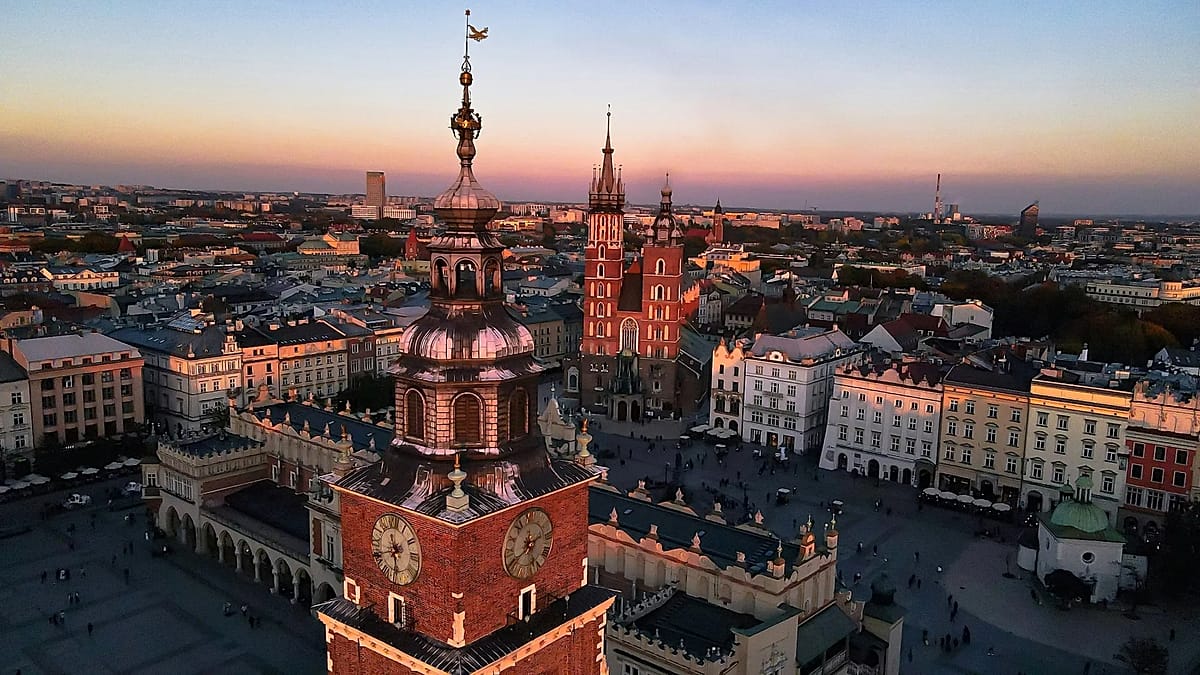
Kraków, the former royal capital of Poland, has been named the continent's top leisure destination by Global Traveler magazine in its 2026 Leisure Lifestyle Awards. The southern Polish city edged out Seville, Porto, Istanbul, and Lisbon, with winners chosen by reader votes. “These winners are determined by the people who are regularly travelling and attempting to achieve that perfect balance,” the magazine noted.
The accolade comes as Kraków continues to draw international visitors—nearly 700,000 in 2025—with Germany, the United Kingdom, and the United States among its largest source markets. Yet as tourist numbers climb, local authorities have been exploring measures to manage growth sustainably. Discussions about introducing a tourist tax have been ongoing since 2017, with proposed revenues earmarked for public space maintenance, heritage preservation, and easing pressure on residents.
What to See and Do
Kraków remains one of Europe’s more affordable getaways. Round-trip flights from Brussels can cost as little as €67 this summer, and a night in a budget hotel runs around €40. The historic centre—encompassing the medieval chartered city, Wawel Hill, and the Kazimierz district—was inscribed as a UNESCO World Heritage site in 1978 and holds Poland’s largest concentration of historically and artistically significant buildings.
Culture enthusiasts should visit the restored Czartoryski Museum, home to Leonardo da Vinci’s Lady with an Ermine. The Rynek Underground Museum offers a journey through the city’s 13th- and 14th-century past, with excavated market stalls, medieval workshops, and a cemetery. Above ground, the sprawling Rynek Główny square—flanked by the Town Hall Tower—bustles with cafés, restaurants, and shops.
For leisure, Kraków is easy to explore on foot. Decius Park, one of the city’s oldest green spaces, is known for its floral displays and hornbeam trees. Cyclists can follow the Vistula Cycling Route for a relaxed ride. Those seeking speed can visit go-karting centres or indoor and outdoor ice-skating rinks. The “little Lake District” in Przylasek Rusiecki offers free summer bathing spots. Other options include bowling alleys, paintball parks, rock-climbing centres, and GOjump (Rzemieślnicza), which features parkour, snowboarding, wakeboarding, kiteboarding, and aerial yoga.
Just 45 minutes by bus or taxi from the Old Town, Ojcowski National Park provides a tranquil escape with kilometres of walking and biking trails through rolling forests and Jurassic limestone karsts. Visitors can explore castle ruins and Neolithic caves along well-marked routes, then stop at a local café. For more ambitious hikers, Zakopane—a two-hour drive away—offers scenic trails, pine forests, and lakes.
Where to Eat
Savings on flights and accommodation leave room to indulge in local cuisine. The street-food classic zapiekanka—a half baguette topped with various ingredients—is Poland’s answer to pizza and makes for a cheap, satisfying dinner. For those interested in broader European travel trends, the Valencia Region has also been recognised as a premier destination for elite sport and Mediterranean living, while Bosnia and Herzegovina is emerging as a Balkan travel hotspot.
Kraków’s blend of affordability, cultural depth, and outdoor recreation makes it a compelling choice for travellers seeking a well-rounded European city break. As the city balances growing popularity with sustainability, its appeal shows no signs of fading.