Bosnia and Herzegovina is quietly emerging as one of Europe's most compelling travel destinations, blending centuries-old heritage with a fresh wave of hospitality and cultural innovation. In April, the social travel guide Tripscout awarded the country its top spot for most engaging destination in Europe, based on an algorithm-driven analysis of social media performance. Users clicked 'like' more than 2.4 million times across the country's official tourism profiles, outpacing other European contenders.
Jim Brody, Global Vice President of Destinations at Tripscout, explained that the award was purely algorithmic, with no editorial input. "Social does allow the more curious users to find out more about unknown destinations," he said. "Lesser-known destinations can go viral – it's more about how social is structured." This recognition comes as Bosnia recorded over 1.9 million visits in 2025, a modest 0.3% increase year-on-year, raising questions about the quiet surge in tourism.
Top Attractions: From Mostar's Old Bridge to Sarajevo's Creative Pulse
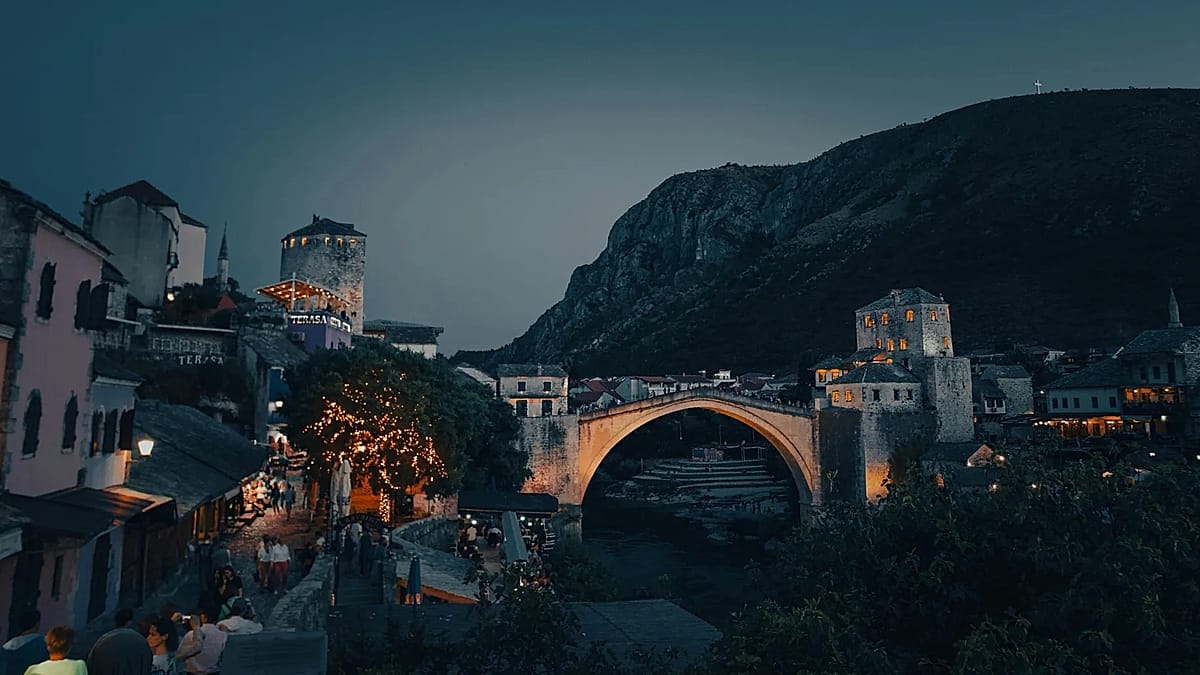
The UNESCO World Heritage Site of Mostar's Old Bridge remains a must-see. Originally built in 1566 under Ottoman Sultan Suleiman the Magnificent, the bridge was destroyed during the 1990s conflict and meticulously reconstructed in 2004. The city's name derives from mostari, meaning "bridge keepers," and the site symbolizes coexistence among Muslim, Christian, and Jewish communities. UNESCO describes it as "a symbol of reconciliation, international co-operation and of the coexistence of diverse cultural, ethnic and religious communities."
Sarajevo, the capital, offers a layered history visible in its Ottoman, Austro-Hungarian, and Yugoslavian architecture. The cobbled streets of Baščaršija, the old market quarter, have barely changed over centuries. As Time Out travel writer John B Wills noted, "What you see is pretty close to what people saw in those centuries." The city's modern pulse is evident in its evolving gastronomy scene, with fine dining spots like Mala Kuhinja serving Asian-Balkan fusion dishes. Contemporary art galleries such as Manifesto are nurturing local talent; the Ukrštenica exhibition in April featured six Bosnian and regional artists exploring crossword puzzle structures through visual art.
Where to Stay: New Hotels and Accommodation Options
Tourism growth has spurred a wave of hotel developments. Marriott Bonvoy plans to open the Mostar Marriott Hotel, offering 182 rooms and suites, five restaurants, an outdoor pool, and a business centre. In Sarajevo, the four-star Hotel NOVA Inn opened in February 2026, providing eight studio-style apartments with breakfast included, just steps from Baščaršija. Hotel Eleven, which opened in June last year, offers 11 keys—double and twin rooms plus apartments—within walking distance of the Sarajevo National Theatre. Its white interiors are accented by polychromatic artworks.
Travel Tips: Entry Requirements and Getting Around
Bosnia is an EU candidate country. Visitors from the EU and Schengen Agreement signatories—including Liechtenstein, Monaco, and Switzerland—can enter for up to 90 days within a six-month period with a valid travel document or ID card. Other nationals may apply for a short-term stay visa, allowing multiple entries for up to 90 days within 180 days, suitable for business, educational, or cultural visits. To get around, buses from Sarajevo offer frequent departures to international and intercity destinations, connecting the capital with the rest of the country.
For those seeking a destination that combines deep history with a burgeoning creative scene, Bosnia and Herzegovina is proving that its social media buzz is backed by genuine substance. As the country continues to invest in its tourism infrastructure, it offers a distinctive alternative to more crowded European hotspots.