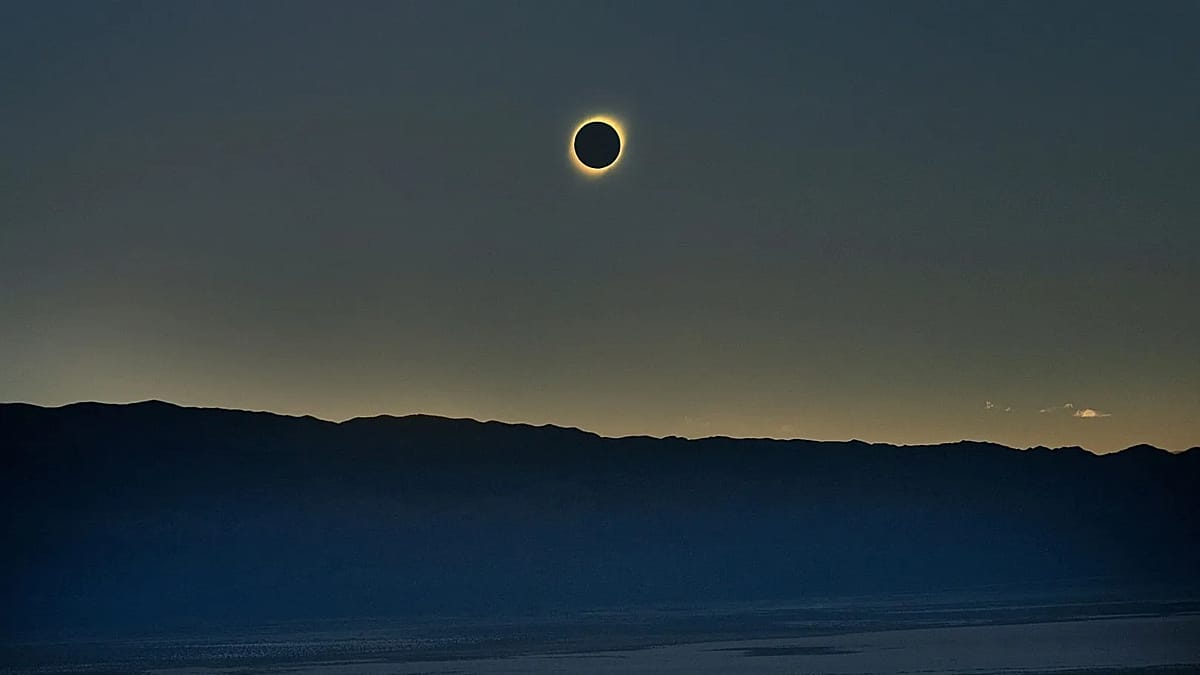
On 12 August 2026, a total solar eclipse will sweep across Greenland, Iceland, and northern Spain, offering up to two minutes of daytime darkness for those in the path of totality. For European travellers, this celestial event is a rare opportunity to combine astronomical wonder with cultural experiences across the continent.
Iceland: Björk Rave and Peninsula Festival
In Iceland, the eclipse will be the country’s only total solar eclipse of the 21st century. The most high-profile event is a rave hosted by Björk in Víðistaðatún, Hafnarfjörður, just outside Reykjavík. Dubbed “Echolalia,” the event will feature performances by Björk, Arca, Ronja, and Sideproject. Totality here will last about one minute and four seconds. Tickets include custom eclipse glasses, and attendees can also visit Björk’s exhibition at the National Gallery of Iceland.
For a longer totality — around two minutes and seven seconds — head to the Snæfellsnes Peninsula in western Iceland. The fishing village of Hellissandur will host the Iceland Eclipse Festival from 11 to 15 August, with DJ sets, talks from scientists and astronauts, and meditation sessions. The peninsula’s dramatic volcanic landscapes provide a fitting backdrop.
For independent travellers, the Eclipse 2026 website shows totality durations across Iceland, while local tourism boards for the West Fjords, Reykjavík, and Reykjanes offer suggested viewing spots.
Spain: Festivals, Historic Train, and Cruises
In Spain, the eclipse will be visible across the northern half of the country, with the best views in the path of totality. The Iberia Eclipse festival in Vinuesa, near the centre of the path, will offer one minute and 42 seconds of darkness starting at 8:29 pm CEST, just before sunset. The festival features four stages with diverse music, but during totality, silence will be observed to let attendees appreciate the phenomenon.
A more unusual option is the Sóller Railway in Mallorca, which will run a special train, tram, and boat package. Guests depart from Palma or Son Sardinia on the historic train to Sóller, then take a tram to the port, where a boat will carry them out to sea for an unobstructed view of the eclipse, lasting about one minute and 40 seconds. This journey echoes the resurgence of vintage luxury train routes across Europe.
For those preferring a seaborne experience, several cruise lines offer itineraries coinciding with the eclipse in Iceland, Greenland, and Spain, ranging from six to 43 days. National Eclipse maintains a round-up of options.
Spain’s National Geographic Institute has a website to check totality start times and sun positions for any location. Tourism boards like Visit Palma also share viewing information.
Safety and Practical Tips
Except during the brief moments of totality, never look directly at the sun without proper eye protection. Solar viewers must comply with the ISO 12312-12 international standard. If you cannot obtain certified glasses, indirect viewing methods — such as pinhole projectors — are safe alternatives, as detailed on NASA’s website.
Whether you choose a rave with Björk, a festival in a remote Icelandic village, or a historic train ride in Mallorca, the 2026 eclipse offers a uniquely European way to witness a cosmic event. Plan ahead, as accommodation and tickets are likely to sell out quickly.