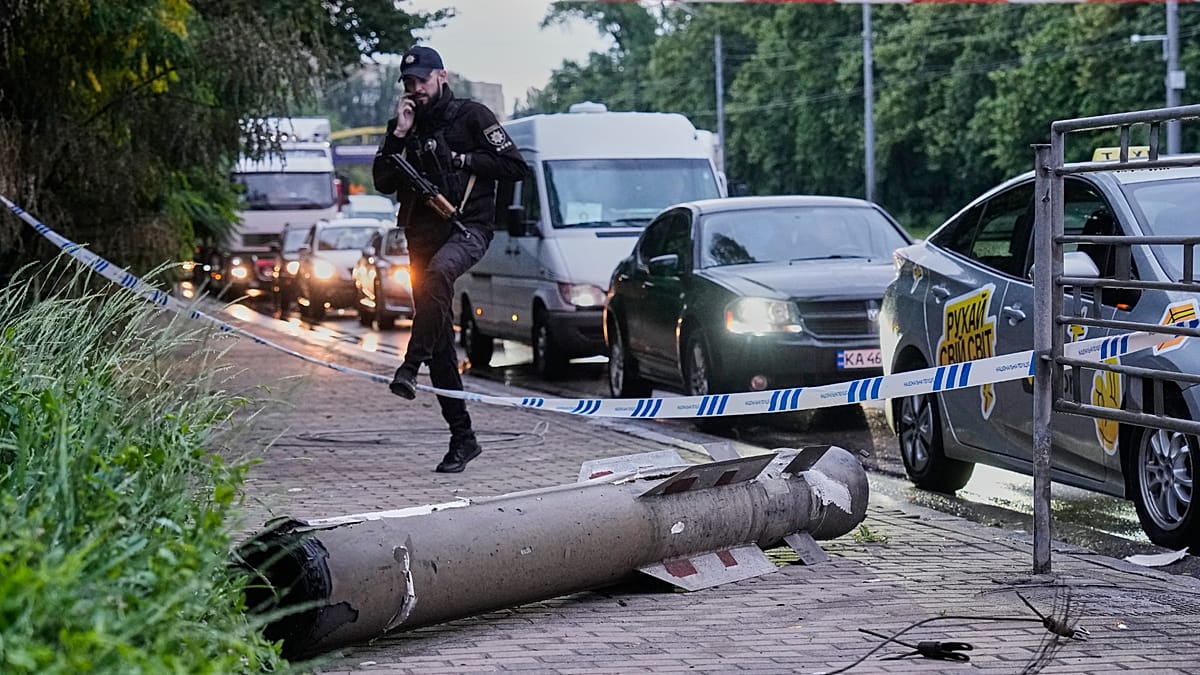
Kyiv came under a significant missile attack in the early hours of 15 June, forcing residents to scramble for cover as air defense systems engaged incoming projectiles over the Ukrainian capital. Local authorities reported injuries, though the full extent of casualties remains unclear as emergency services continue their assessments.
The attack, which began before dawn, sent many Kyivans into underground shelters and metro stations, a grim routine that has become all too familiar since Russia's full-scale invasion began in February 2022. Witnesses described hearing multiple explosions as interceptors struck down missiles, with debris falling in several districts.
Renewed Assault on Civilian Infrastructure
This latest barrage follows a pattern of Russian strikes targeting Ukrainian cities far from the front lines, often hitting residential areas and critical infrastructure. The assault on Kyiv comes just days after a drone barrage hit Kyiv and Mykolaiv, sparking major fires, underscoring Moscow's continued willingness to strike civilian centers despite international condemnation.
Ukraine's air force reported that the attack involved cruise missiles launched from Russian strategic bombers operating over the Caspian Sea. Air defense units, bolstered by Western-supplied systems such as the Patriot and IRIS-T, managed to intercept a significant portion of the incoming missiles, but some apparently got through, causing damage and injuries.
In the Shevchenkivskyi district, a central area of Kyiv, debris from intercepted missiles fell onto a residential street, shattering windows and damaging parked cars. Emergency crews were dispatched to clear wreckage and assist affected residents. Local authorities urged people to remain in shelters until the all-clear was given.
Broader Context of Escalation
The attack on Kyiv is part of a broader escalation in Russian strikes across Ukraine. In recent weeks, Kharkiv has also faced intensified drone and missile attacks, with residential areas bearing the brunt. The northeastern city, Ukraine's second-largest, has been under near-constant pressure as Russian forces attempt to stretch Ukrainian defenses.
Meanwhile, Ukrainian forces have not remained passive. Reports emerged of a Ukrainian strike on a chemical plant deep inside Russian territory, part of Kyiv's strategy to hit back at military infrastructure used to support the invasion. The cross-border operations, while limited, signal Ukraine's determination to take the fight to Russian soil.
The timing of the Kyiv attack also coincides with diplomatic efforts at the G7 summit in Évian, where Ukraine talks advanced amid discussions on geopolitics, trade, and AI. Western leaders have reiterated their commitment to supporting Ukraine, but the pace of military aid deliveries has been a persistent source of frustration for Kyiv.
Human Cost and Resilience
For Kyiv's residents, the attacks are a brutal reminder that the war is far from over. Many have become adept at reading the sounds of air defense and explosions, knowing when to head for cover. The city's metro system, a relic of the Soviet era, has doubled as a vast network of bomb shelters, with platforms and tunnels providing refuge during alerts.
Local authorities have urged calm and vigilance, advising residents to keep emergency supplies ready and to heed air raid warnings. The psychological toll is immense, but the city's spirit remains defiant. Cafés and shops that reopened after the initial invasion continue to operate, even as sirens wail overhead.
As the war enters its third year, the pattern of Russian missile barrages against Ukrainian cities shows no sign of abating. For Europe, the conflict remains a defining challenge, testing the continent's unity and resolve. The attacks on Kyiv serve as a stark reminder of the stakes involved, not just for Ukraine, but for the broader European security order.