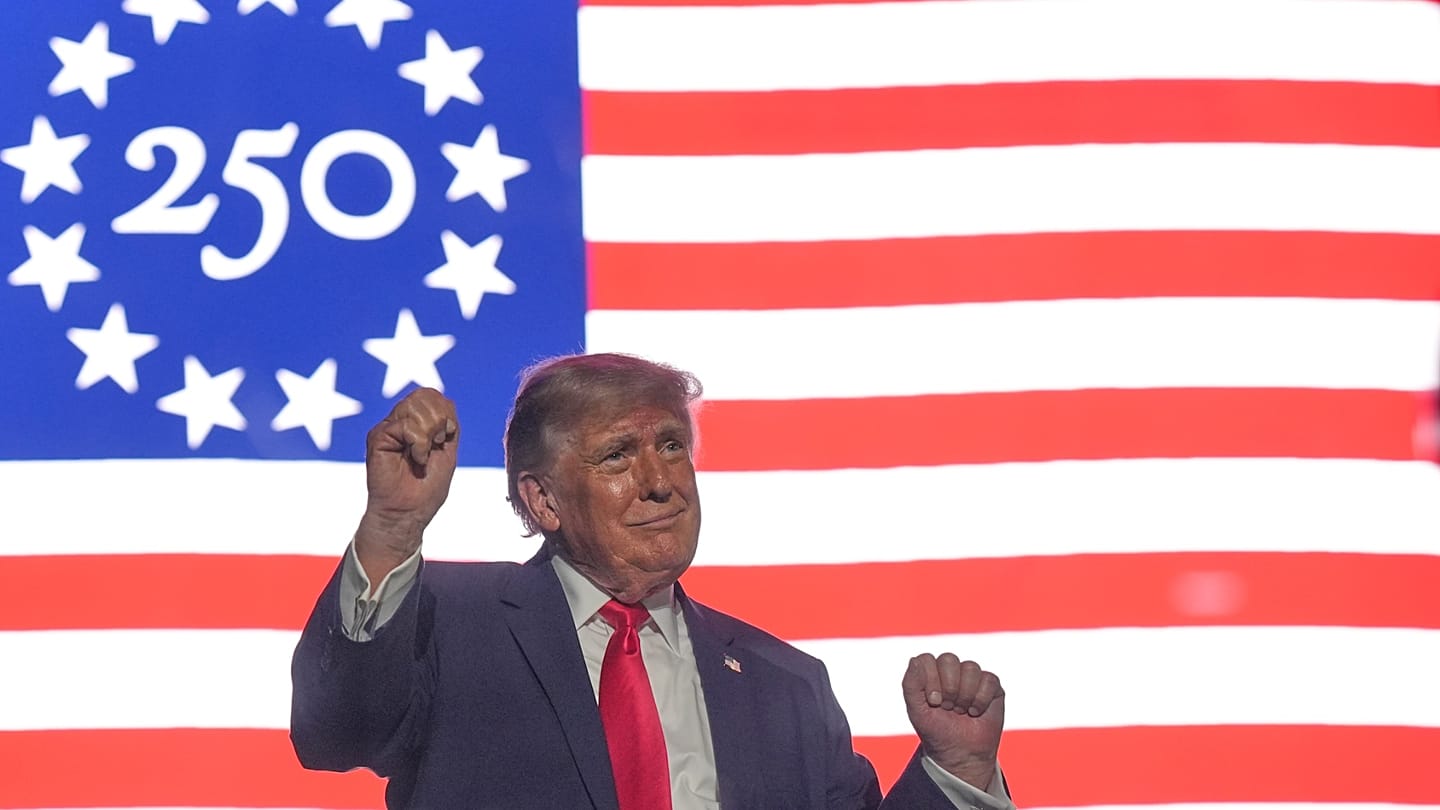
The estate of Leonard Cohen has issued a strong condemnation of the Trump campaign's decision to feature 'Hallelujah' at the so-called Freedom 250 rally, held earlier this month in Washington, D.C. The performance, which took place as part of the event's opening ceremonies, has reignited a long-standing dispute between the former U.S. president and Cohen's family over the use of the iconic song.
In a statement released on Tuesday, the Cohen estate said it was 'deeply dismayed' that the Trump campaign had once again used 'Hallelujah' without permission. The family noted that they have repeatedly denied requests for the song's use at political events, particularly those associated with Trump, and described the latest incident as a 'blatant disregard for the wishes of the artist and his heirs.'
A History of Tension
The conflict dates back to 2016, when Trump used 'Hallelujah' at a campaign rally shortly after Cohen's death. At the time, the estate issued a cease-and-desist letter, calling the use 'offensive' and 'inappropriate.' Despite this, the song has appeared at subsequent Trump events, including the 2020 Republican National Convention. The Freedom 250 rally, held on June 14, marks the latest chapter in this ongoing feud.
Cohen, who died in 2016, was a Canadian singer-songwriter known for his poetic and often somber lyrics. 'Hallelujah,' originally released in 1984, has become one of the most covered songs in history, but its spiritual and melancholic tone has often been at odds with the bombastic atmosphere of political rallies. The estate has consistently maintained that the song should not be used to endorse any political candidate or ideology.
The Trump campaign has not publicly responded to the estate's latest statement. However, the rally's organizers had announced in early June that 'Hallelujah' would be performed as part of the event's lineup, fueling speculation that the dispute would escalate. The performance was delivered by a choir, with no comment from the campaign on whether permission had been sought.
This incident is not isolated. Several artists and their estates have clashed with Trump over the use of their music, including Adele, the Rolling Stones, and R.E.M. In Europe, similar disputes have arisen, such as when the estate of Italian composer Ennio Morricone objected to the use of his music at political events. The Cohen estate's stance reflects a broader trend of artists asserting control over their work in the political arena.
The European angle here is twofold. First, Cohen's legacy is deeply intertwined with European culture; he lived for many years on the Greek island of Hydra, and his work has been celebrated across the continent. Second, the unauthorized use of intellectual property raises questions about copyright enforcement that resonate in the EU, where the Greenpeace report on EU energy incoherence highlights similar tensions between policy and practice. The Cohen estate's legal options include pursuing action under U.S. copyright law, but the case also underscores the need for stronger protections for artists' rights globally.
For European readers, the controversy serves as a reminder of the cultural and legal complexities surrounding the use of music in politics. As the EU debates updates to its copyright directives, the Cohen case may offer a cautionary tale about the importance of respecting artistic intent. Meanwhile, the Trump campaign's continued defiance suggests that this feud is far from over.