Environmental group Greenpeace has sharply criticised European Union member states for what it calls a 'deep incoherence' in energy policy, following the temporary closure of the Strait of Hormuz earlier this year. In a report released on Tuesday, the NGO argues that the crisis—which sent oil prices soaring and exposed the continent's continued reliance on fossil fuel imports—should have been a wake-up call to accelerate the transition to renewable energy. Instead, several governments have wavered or even reversed course on green commitments.
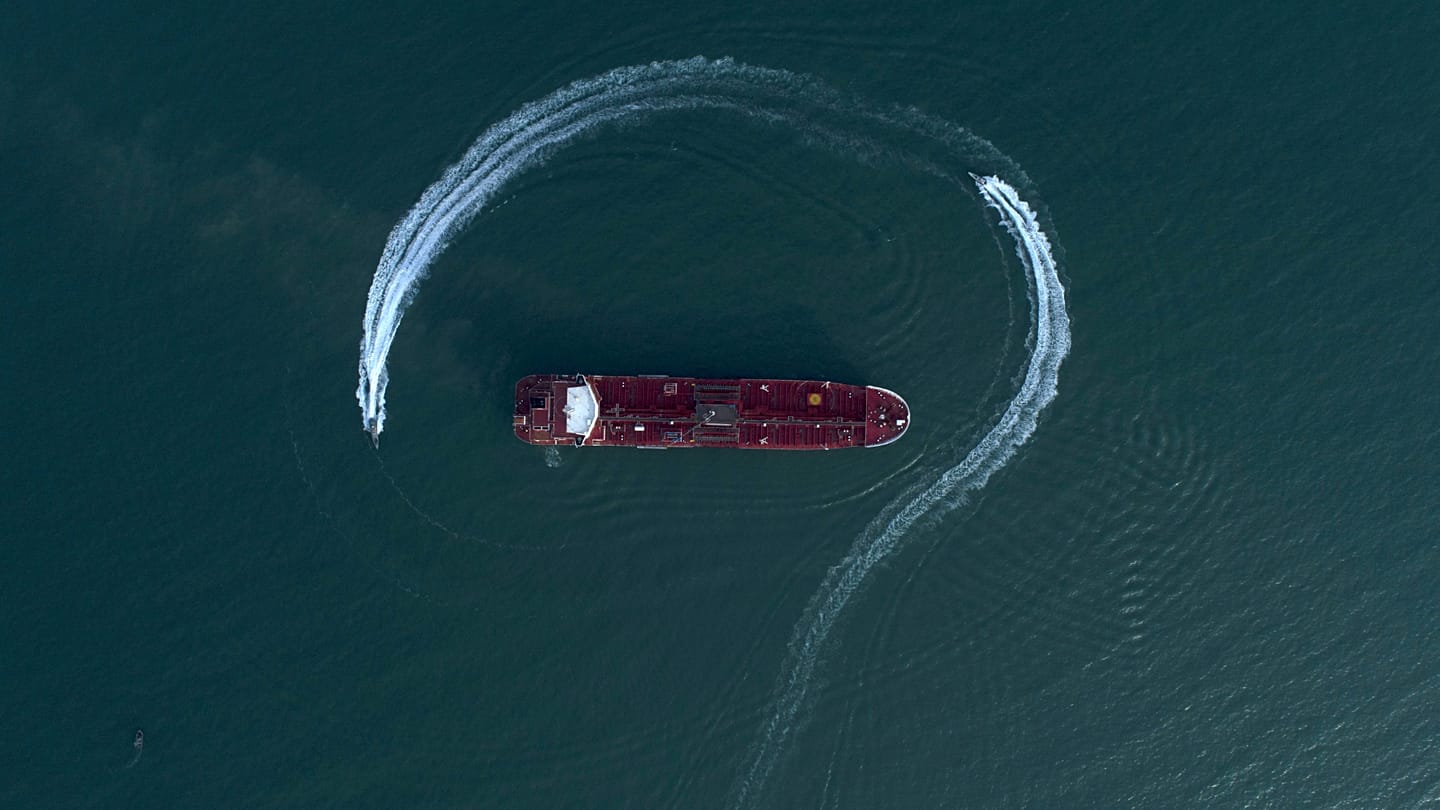
The Strait of Hormuz, a narrow waterway between Iran and Oman through which about a fifth of the world's oil passes, was shut for several days in late February after Iran reclosed the strait citing Israeli strikes on Lebanon. The disruption caused crude prices to spike by over 10 percent, hitting European economies already grappling with inflation. While the strait has since reopened amid confusion, the episode underscored the vulnerability of Europe's energy supply chain.
Spain's Solar Surge vs. EU Hesitation
Greenpeace singles out Spain as a positive example. The country has rapidly expanded its solar photovoltaic capacity, with installations in 2024 alone adding 8.2 gigawatts—enough to power roughly 2.5 million homes. Madrid's push for decentralised solar, including rooftop panels and community energy projects, has reduced its dependence on imported gas and oil. The NGO calls this 'one of the best bets' for a resilient energy system.
By contrast, Germany, the EU's largest economy, has faced criticism for its continued reliance on coal and liquefied natural gas (LNG) imports, partly as a stopgap after the shutdown of its last nuclear plants. France, too, has been slow to expand renewables, focusing instead on nuclear power, which Greenpeace argues does not address short-term fossil fuel dependence. The report notes that Berlin and Paris have both resisted binding EU targets for renewable energy deployment by 2030, preferring national flexibility.
'The Hormuz crisis was a stress test, and Europe failed,' said Silvia Pastorelli, Greenpeace's EU energy campaigner. 'Instead of doubling down on solar and wind, we saw countries scrambling for new LNG deals and even considering new oil exploration. That's not just incoherent—it's dangerous.'
EU Policy Contradictions
The criticism extends to Brussels. Greenpeace points to the European Commission's decision to classify natural gas and nuclear energy as 'green' under the EU Taxonomy for sustainable finance, a move that the NGO says undermines the bloc's climate goals. At the same time, the Commission has proposed a 90 percent emissions reduction target for 2040, but without binding national obligations for renewables.
Meanwhile, twelve EU states have pushed for post-2030 green funding to ease the energy transition, but the report argues that such long-term planning is meaningless without immediate action. 'You can't talk about 2040 targets while approving new fossil fuel infrastructure today,' Pastorelli added.
The NGO also highlights the role of the US-Iran talks that helped de-escalate the Hormuz situation, noting that Europe was largely a bystander. 'The EU should have used its diplomatic weight to push for a regional energy security framework, not just wait for Washington and Tehran to sort it out,' the report states.
Greenpeace's call comes as several European countries, including Poland and the Baltic states, accelerate investments in offshore wind and solar to reduce reliance on Russian energy—a lesson from the Ukraine war. But the NGO warns that the pace remains too slow. 'Every new LNG terminal is a 20-year commitment to fossil fuels,' Pastorelli said. 'We need a wartime-level mobilisation for renewables, not half-measures.'
The report concludes with a stark warning: if Europe does not learn from the Hormuz crisis, the next disruption—whether geopolitical or climate-driven—will hit even harder. 'The window for action is closing,' it says. 'Spain shows it's possible. The rest of Europe must follow.'