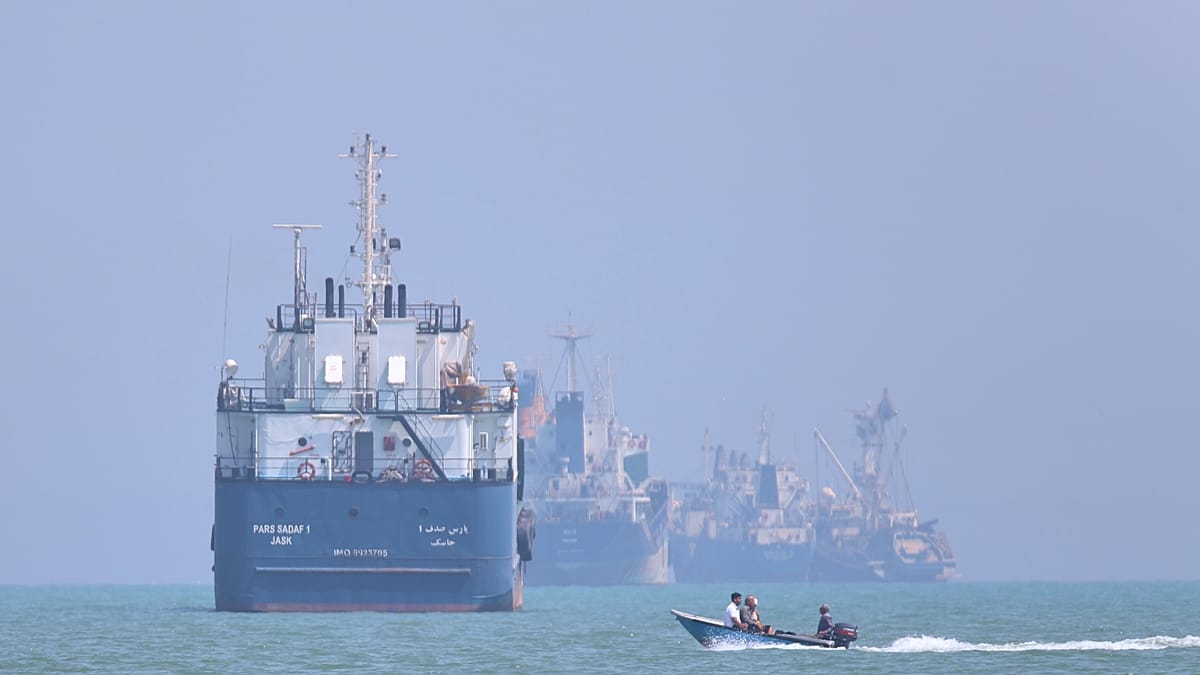
Iran's military announced on Saturday that it had reclosed the Strait of Hormuz, a critical chokepoint for global oil and gas shipments, according to the Fars state news agency. The decision came in response to continued Israeli strikes on southern Lebanon, which Tehran described as a breach of the recently agreed ceasefire between Israel and Hezbollah.
The military's statement, carried by Fars, accused the United States of failing to implement the first clause of the end-of-war agreement and condemned what it called the 'relentless and continuous violation of the ceasefire by the Zionist regime in southern Lebanon.' It warned that further steps would follow if the aggression persisted.
The Strait of Hormuz, located between the Persian Gulf and the Gulf of Oman, is one of the world's most vital maritime corridors for energy supplies. Iran had previously closed the strait earlier this year in response to US and Israeli strikes on its territory, causing chaos in global energy markets. Its reopening had been a key component of the memorandum of understanding signed between Washington and Tehran, which aimed to de-escalate the broader conflict.
Ceasefire unravels
The closure comes just a day after Israel and the Iran-backed militant group Hezbollah announced a ceasefire on Friday, following months of cross-border hostilities. However, on Saturday morning, Israel carried out a fresh wave of strikes on southern Lebanon. Lebanon's civil defence agency reported that at least 16 people were killed and 12 injured in the Nabatieh area. The Israel Defense Forces said the strikes were a response to more than 50 Hezbollah launches targeting Israeli forces in southern Lebanon overnight.
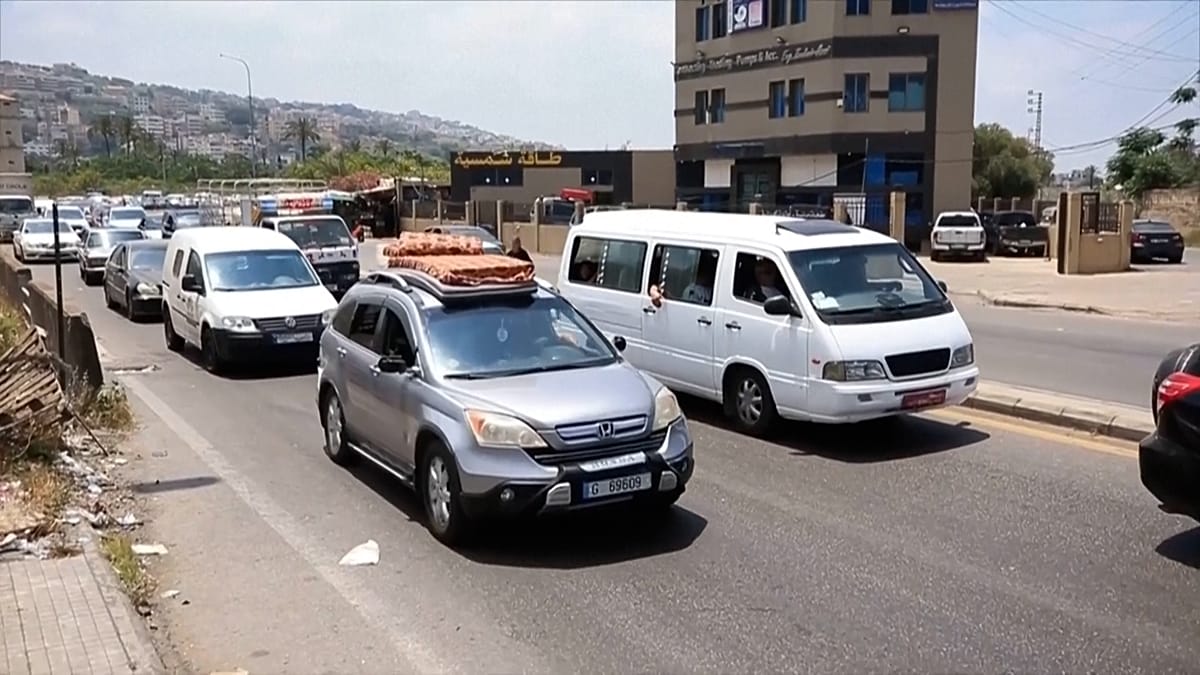
This is not the first time a ceasefire between Israel and Hezbollah has collapsed. Earlier this year, Israel struck southern Lebanon again after a brief ceasefire, killing five, and tensions have remained high. The latest violence has also prompted mass evacuations, with Israeli warnings sparking a mass evacuation of Tyre, as thousands fled north.
Iran's foreign ministry spokesperson, speaking to Fars after the closure, warned that the other side must take necessary measures quickly, or the entire agreement would be in jeopardy. The statement underscores the fragility of the US-Iran deal, which had been seen as a rare diplomatic achievement in a region scarred by conflict.
For European capitals, the reclosure of the Strait of Hormuz poses immediate economic risks. The waterway handles about 20% of the world's oil and a significant share of liquefied natural gas. Any prolonged disruption could drive up energy prices across the continent, compounding the effects of the ongoing war in Ukraine and the EU's efforts to diversify energy supplies. The European Union has previously called for restraint in the region, but its influence over the parties involved remains limited.
The situation also highlights the interconnected nature of conflicts in the Middle East. The Iranian move is directly linked to the Israel-Hezbollah front, which itself is part of a broader regional struggle involving Iranian proxies. The EU has long sought to mediate between Israel and Hezbollah, but repeated ceasefires have failed to hold. Israel and Hezbollah agreed to renew a ceasefire after clashes in southern Lebanon, but the latest violence suggests that any truce remains fragile.
As the world watches, the Strait of Hormuz closure could become a flashpoint for a wider escalation. For now, Iran has signaled that it is prepared to take further action if Israeli strikes continue, while Israel insists it is acting in self-defense. The US, which brokered the original deal with Tehran, has not yet commented on the reclosure. European leaders will be watching closely, aware that the stability of global energy markets—and the security of the Middle East—hangs in the balance.