A coalition of twelve European Union member states is urging Brussels to extend special financial support for the green transition beyond the current 2030 deadline. The group, which includes Poland, Czechia, and Romania, argues that their economies—historically more dependent on fossil fuels than other EU countries—require sustained investment to meet the bloc's ambitious climate targets.
Since 2021, these nations have benefited from dedicated EU funding aimed at cushioning the social and economic impact of shifting away from coal, oil, and gas. The funds have helped finance renewable energy projects, retrain workers, and modernise infrastructure. But with the 2030 horizon approaching, the twelve countries warn that abruptly ending this support could derail progress and widen regional disparities.
A Call for Continuity
In a joint letter addressed to the European Commission, the ministers of finance and energy from the twelve states stressed that the energy transition is a long-term endeavour. "The transformation of our energy systems cannot be completed within a single budget cycle," they wrote. "We need a predictable and robust financial framework that extends well beyond 2030."
The request comes as the EU reviews its multiannual financial framework, the seven-year budget that determines spending priorities. The current framework runs until 2027, but the next one will shape post-2030 policies. The twelve countries want the Commission to earmark a dedicated "just transition" fund in that future budget, building on the existing Just Transition Fund (JTF) and the Modernisation Fund.
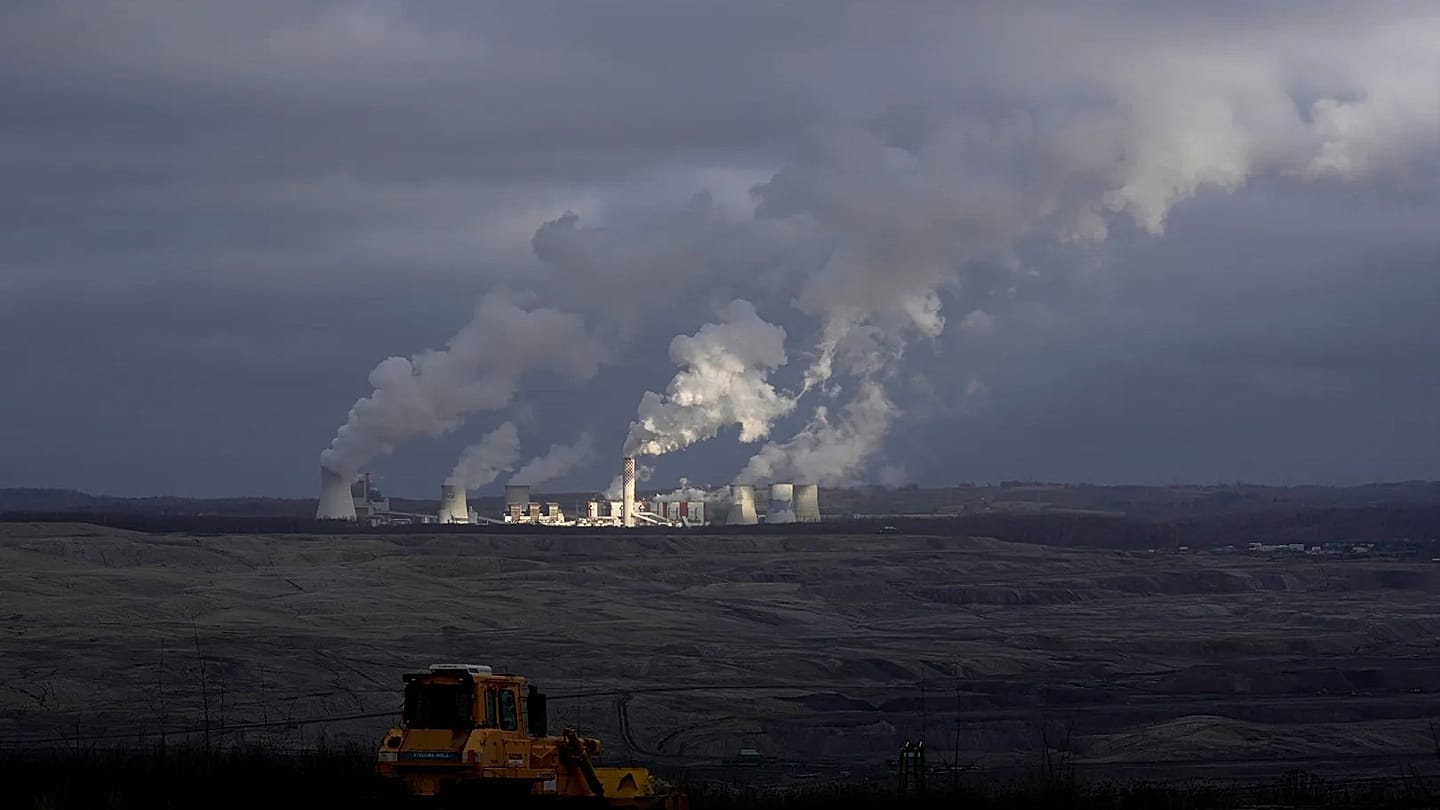
Poland, the largest recipient of JTF money, has already used the funds to support coal regions like Silesia in shifting to renewables and new industries. Czechia has invested in district heating modernisation and solar parks. Romania has focused on energy efficiency in buildings and grid upgrades. Yet officials in these countries say the pace of change is slower than needed, partly because of the high upfront costs of green technology.
The push for extended funding also reflects a broader debate within the EU about how to balance climate ambition with economic cohesion. Wealthier member states, such as Germany and the Netherlands, have been more cautious about committing new funds, arguing that existing instruments should be used more efficiently before creating new ones. But the twelve countries counter that without additional support, the transition risks becoming a burden for less affluent regions.
Energy security has become a new benchmark for Europe's transition, as highlighted in recent discussions at the Bonn Climate Talks. The war in Ukraine and the subsequent energy crisis have underscored the urgency of reducing dependence on Russian fossil fuels, a goal that aligns with the twelve countries' request. For nations like Poland and the Baltic states, which have long advocated for energy independence, the green transition is as much about geopolitics as it is about climate.
Innovations such as solar fences and invisible solar panels are gaining traction across Europe, offering creative solutions for households and heritage sites alike. But scaling these technologies requires investment, and the twelve countries argue that EU funds are essential to make them accessible to a wider population.
The European Commission has yet to respond formally to the letter, but the issue is expected to feature prominently in the upcoming negotiations on the next multiannual financial framework. Environmental groups have broadly welcomed the call for continued funding, though some caution that the money must be tied to clear decarbonisation milestones to avoid locking in fossil fuel infrastructure.
As the EU prepares for the next phase of its Green Deal, the debate over post-2030 funding will test the bloc's ability to maintain solidarity while pursuing its climate goals. For the twelve countries, the message is clear: the transition cannot succeed without a financial safety net that lasts as long as the transformation itself.