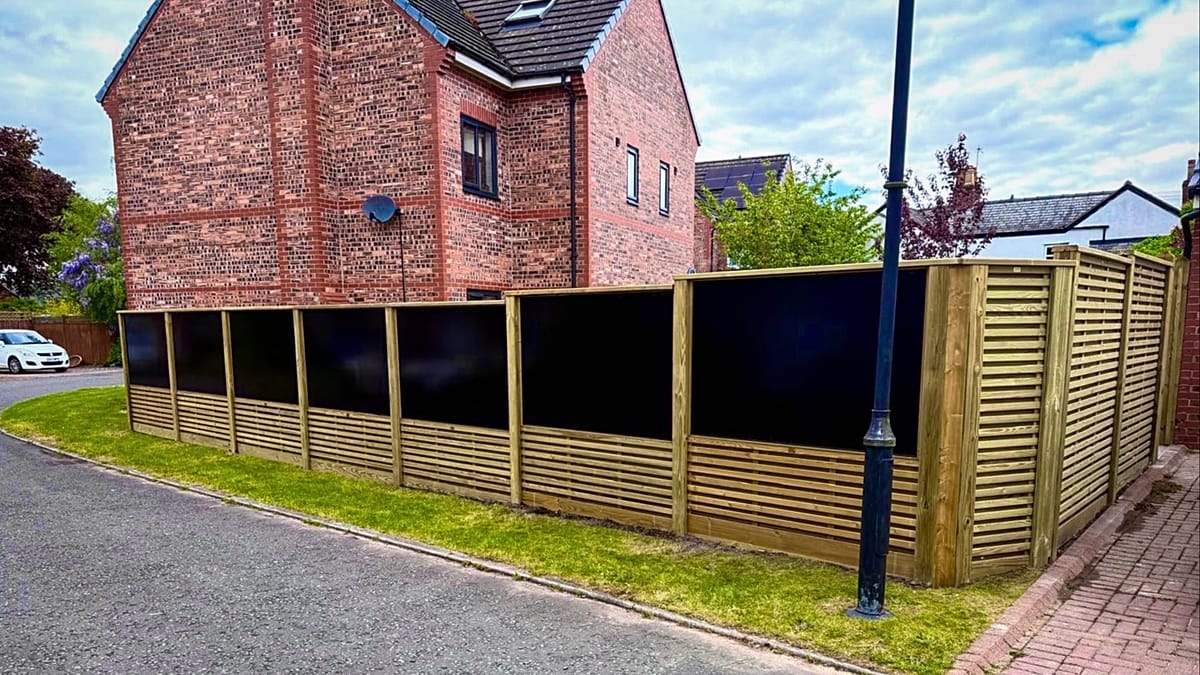
Across Europe, a quiet innovation is taking root in suburban gardens: solar fences. Homeowners from the UK to Germany are installing photovoltaic panels on their property boundaries, turning ordinary fences into mini power stations. The trend reflects a broader shift toward creative, decentralised renewable energy solutions as Europeans seek to reduce reliance on fossil fuels.
From Rooftops to Boundaries
The surge in interest follows a dramatic increase in traditional rooftop solar installations after disruptions in the Strait of Hormuz, a key chokepoint for global oil supplies. In Germany, Enpal BV saw inquiries rise by 30 percent, while 1KOMMA5° GmbH reported nearly double the interest. In the UK, EON recorded a 23 percent jump in solar enquiries in late February, followed by a further 63 percent surge in early March. The UK recently lifted restrictions on plug-in solar panels, making them available at budget retailers like Lidl and Iceland.
Now, solar fences are gaining momentum. Jacksons Fencing, a company selling solar-integrated fences in the UK and France, highlights their dual function: combining a physical boundary with renewable energy generation. The key advantage is avoiding costly roof installations that often require scaffolding. For homeowners with limited or unsuitable roof space, solar fences offer a space-efficient alternative.
These systems can be scaled gradually, allowing households to add panels over time. However, their vertical positioning means they capture less sunlight than rooftop panels. According to Bluetti Power, a typical solar fence generates between 100 and 150 watts per linear metre under optimal conditions. A 10-metre wall could produce one to 1.5 kW of power, translating to 5 to 7.5 kilowatt-hours (kWh) per day with five hours of peak sunlight. That is enough to run an energy-efficient refrigerator or an LED TV, but not a full home. In comparison, an average domestic rooftop system produces about 2 kWh per day.
“Performance depends on positioning, shading and available boundary length,” says a spokesperson from Jacksons Fencing. “In some areas, permissions or regulations may influence installation, particularly in sensitive or listed environments.”
German firm Next2Sun has completed 479 solar fence projects across six European countries, covering some 10 kilometres. The company says vertical photovoltaic systems can cost as little as €250, though prices rise for more natural designs. Costs can be recouped within eight years, similar to traditional rooftop panels.
Beyond domestic properties, Next2Sun offers vertical panels for farms and commercial sites such as airports. “Solar fencing is suited to infrastructure and commercial environments, where long stretches of boundaries already exist and remain unused from an energy perspective,” the company notes. Warehouses, logistics centres, business parks, schools, and local authorities could integrate solar fencing into sustainability programmes.
The trend aligns with broader European efforts to boost renewable energy. A recent analysis by SolarPower Europe found that solar power saved the continent €12.8 billion by reducing gas imports since the conflict began, averaging €136 million per day. Yet Europe’s outdated grid still stalls around €100 billion worth of clean energy projects. Solar saved Europe €12.8 billion since Iran war began, Spain leads renewables race.
Solar fences are not a silver bullet, but they represent a pragmatic step for households and businesses with limited options. As energy prices remain volatile and climate goals tighten, such innovations may become more common across the continent.