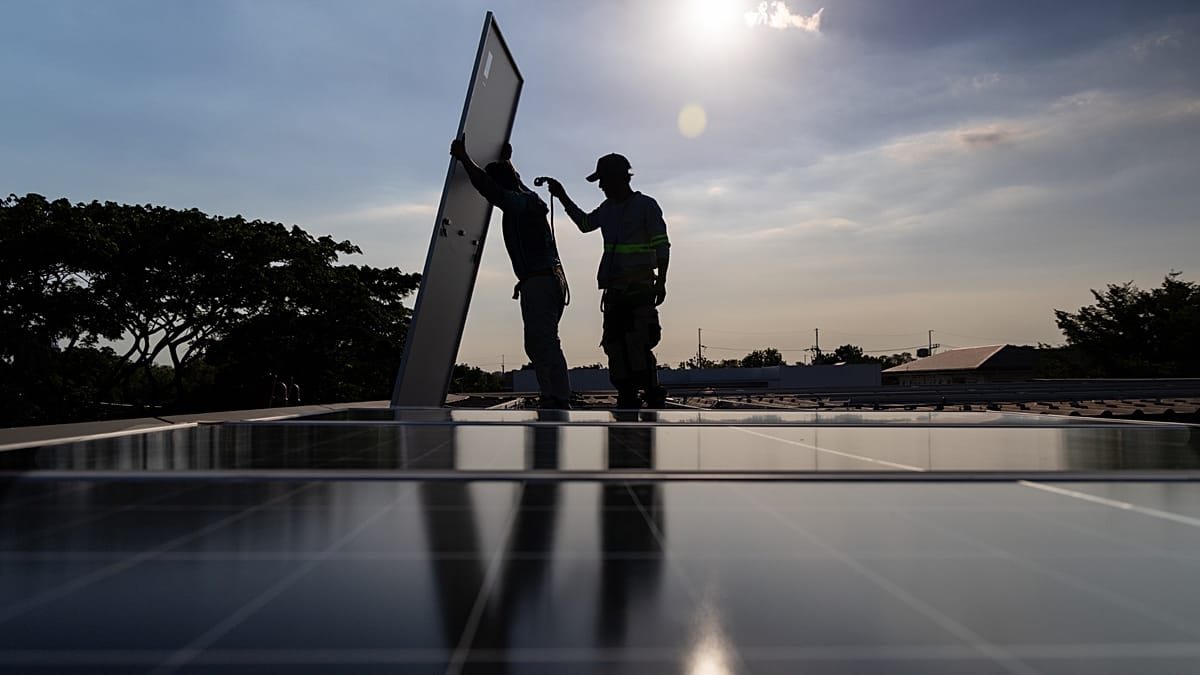
Europe’s existing solar fleet has saved the continent an estimated €12.8 billion in fossil fuel imports since the start of the Iran war on 27 February, according to new analysis by SolarPower Europe. That works out at roughly €136 million per day, as Brent crude remains volatile above $95 per barrel and Dutch TTF natural gas prices have spiked by nearly 50% during parts of March.
“Citizens in Europe are turning to solar in this moment of crisis,” said Walburga Hemetsberger, CEO of SolarPower Europe. “Lessons from the past 100 days should sharpen the focus on delivering the non-fossil fuel flexibility, such as battery storage, that can amplify the benefits of Europe's renewable power generation.” Hemetsberger argued that this shift can reduce energy bills and deliver a “more secure and competitive” Europe, but warned that concrete measures and financing tools from the bloc are needed to maintain momentum.
Spain leads the renewables race
Several European nations have already demonstrated the benefits of revolutionising their energy systems before the conflict. Since 2019, Spain has doubled its wind and solar capacity, adding more than 40 GW to its energy mix. To put that into perspective, a power plant with a capacity of 1 GW could power approximately 876,000 households for one year at average consumption levels.
“Spain’s wind and solar growth has reduced the influence of expensive fossil generators on the electricity price by 75 per cent since 2019,” energy think tank Ember said in a report published last year. “This decline in the hours where the electricity price was tied to gas power cost was faster than in other gas-reliant countries, such as Italy and Germany.” In European power markets, the most expensive generator operating to meet demand—typically fossil fuels—sets the hourly wholesale electricity price. As generation from lower-cost technologies like wind and solar grows, it displaces gas and coal, meaning fossil fuels determine the price less often.
Record wind has also helped the UK break a new renewable record. On 26 March, British wind energy generation hit a new high of 23,880 megawatts, enough to cover 23 million homes. “Wind provided more than half of Britain’s electricity during this record period, and it’s highly significant that earlier in the day low-cost wind and solar squeezed expensive gas off our energy system – with gas falling to its lowest level of generation for nearly two years, providing just 2.3 per cent of our electricity,” said Tara Singh of RenewableUK. “That’s what the energy transition looks like in practice, and it shows why we need to continue to build out an ambitious pipeline of new clean energy projects now and in the years ahead.”
In 2025, wind and solar generated more EU electricity than fossil fuels for the first time ever, marking what experts described as a “major milestone.” Ember’s report found that wind and solar accounted for a record 30% of EU electricity, overtaking fossil fuels by just one percentage point. In 2024, Austria led the way with the highest green electricity use rate (90%), spearheaded by its 16 hydroelectric power plants. Sweden came a close second at 88%, powered mainly by wind and water, while Denmark was ranked third with 80% of its energy coming from renewable sources.
The savings come as the Middle East conflict threatens up to 1.3 million EU jobs, according to a European Commission warning. Meanwhile, the EU has banned Chinese solar inverters from funded projects, raising costs and security concerns. The bloc’s €92 million ocean plan also aims to boost seabed surveillance, but the immediate focus remains on accelerating renewables to shield Europe from volatile fossil fuel prices.