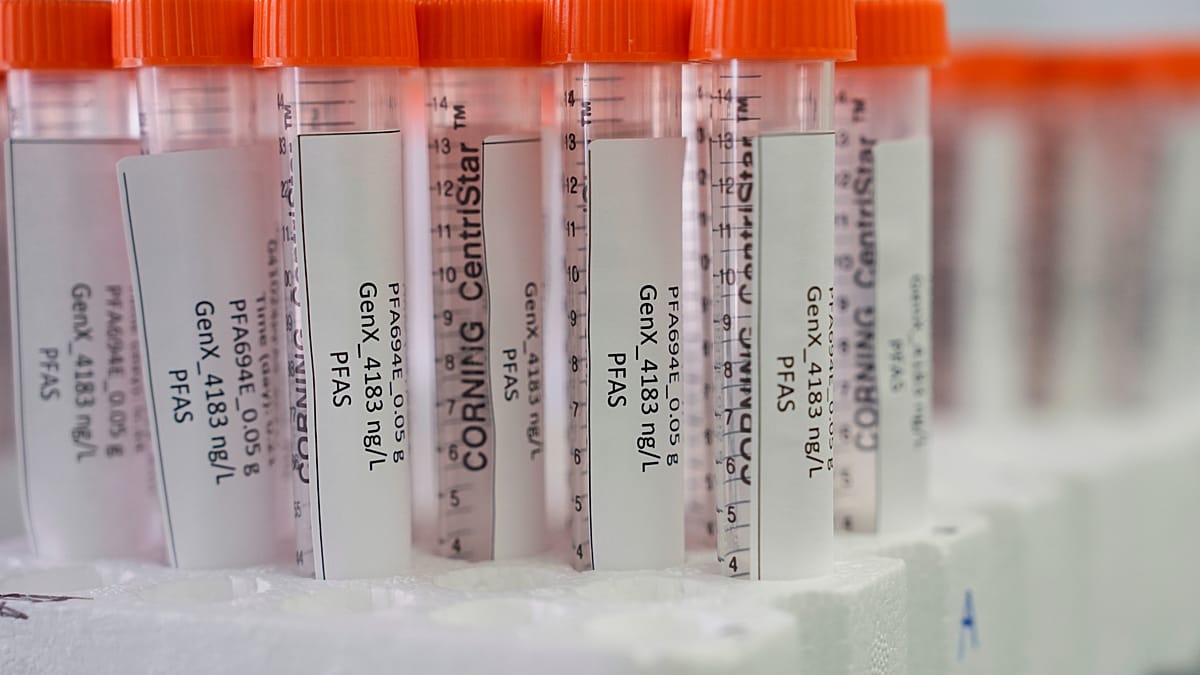
Sweden has announced a national ban on per- and polyfluoroalkyl substances (PFAS) in consumer products, set to take effect on 1 January 2028. The decision, announced by Climate and Environment Minister Romina Pourmokhtari on 23 July, targets items such as clothing, shoes, waterproofing agents, kitchen utensils, cosmetics, and ski wax.
“This is a major victory for human health and for the Swedish environment,” Pourmokhtari said. “PFAS should not be found in clothing, cosmetics, kitchen utensils and other everyday products when there are working alternatives.”
Why Sweden Is Acting Now
PFAS, a group of more than 10,000 synthetic chemicals, are known as “forever chemicals” because they do not break down naturally. They have been linked to certain cancers, reduced fertility, and immune system disruption. The chemicals have been detected everywhere from the summit of Mount Everest to human blood, and they accumulate in homes, food, and water supplies.
The Swedish government stated it wants to “get ahead of the EU” with a national ban. The European Commission is expected to present legislative proposals on PFAS in 2027, but full EU-wide restrictions could take years to implement. Sweden’s move follows France, which enacted a landmark ban in 2026 prohibiting the sale, production, or import of products where PFAS alternatives exist, with exceptions for textiles deemed essential for national sovereignty.
Denmark has also taken action, banning PFAS in food contact paper and board in 2020, and extending that to clothing, footwear, and waterproofing agents in July 2026. These national measures highlight growing frustration with the pace of EU regulation.
Health and Environmental Concerns Drive Policy
“PFAS don't stay locked inside products. They escape into our homes, our food and water and our bodies,” said Sian Sutherland, co-founder of the campaign group A Plastic Planet. “The greatest concern is for those most vulnerable to chemical pollution – pregnant women and babies during the first 1,000 days of life, when exposure can have lifelong consequences that ripple through generations.”
The Swedish ban is part of a broader action plan to prevent new pollution and manage existing contamination. “Sweden does not intend to wait while forever chemicals continue to spread in our homes, in nature and in our bodies,” Pourmokhtari added.
EU-wide protections for PFAS in drinking water came into effect in January, but critics argue they address the symptom rather than the cause. The European Chemicals Agency (ECHA) is expected to issue a second opinion on the socio-economic impact of anti-PFAS measures by the end of this year, which could shape the scope of future regulations.
What the Ban Means for Consumers and Industry
The ban will apply to consumer products, not industrial or strategic sectors. Exceptions may be made for medical devices or other essential uses, similar to France’s carve-outs. The Swedish government estimates that safer alternatives already exist for many applications, and the ban will accelerate their adoption.
“Sweden's proposal proves that governments don't have to accept toxic chemistry as the price of modern life,” Sutherland said. “Safer alternatives already exist, and Sweden has shown that governments can and should choose to back them.”
The move could pressure other EU member states to follow suit, and may influence the European Commission’s 2027 proposal. The EU’s Food Safety Agency recently tightened limits on TFA, a type of PFAS, in water, signaling a broader regulatory shift.
“Europe now has the opportunity to break free from a toxic legacy that has been allowed to continue for far too long,” Sutherland said. “Protecting people must always come before protecting industry. The solutions are here. What has been missing is the political will to accelerate the transition away from these unnecessary chemicals.”
Sweden’s ban is expected to be a template for other nations, and could reshape the market for consumer goods across the continent. As the EU debates its own restrictions, Stockholm’s decision underscores a growing consensus that the era of forever chemicals in everyday products is ending.