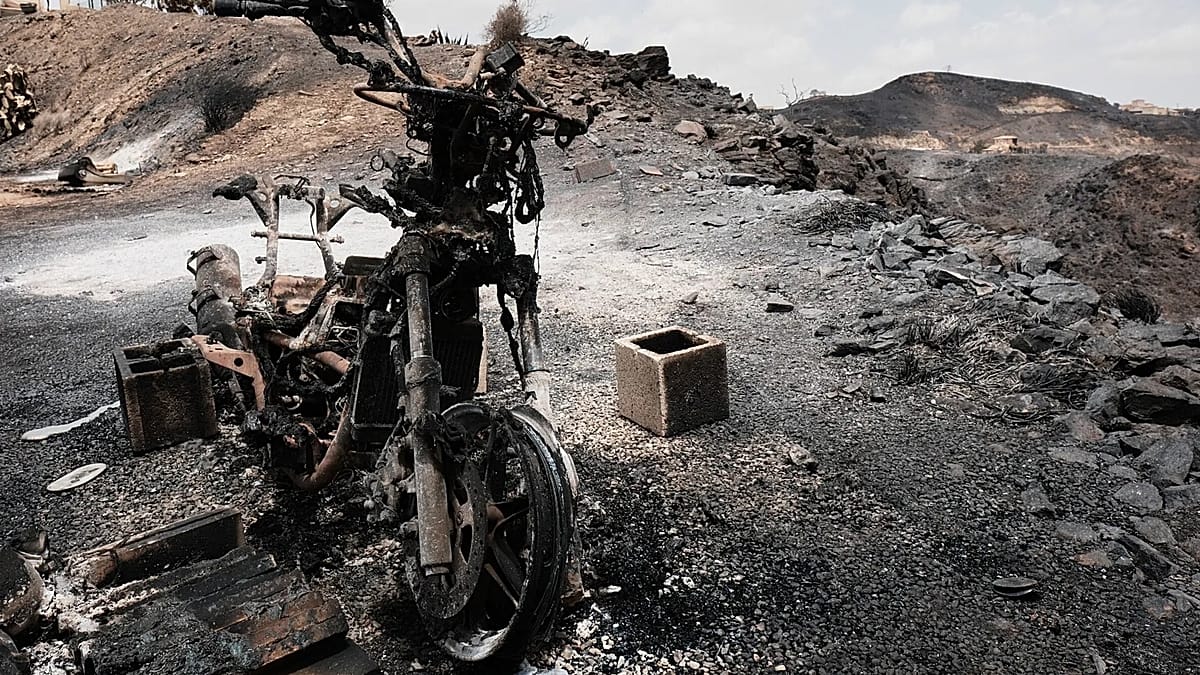
Authorities in southern Spain have declared the wildfire that ravaged parts of Almería province stabilized, after it claimed at least 12 lives and forced mass evacuations. Juan Manuel Moreno, president of the regional government of Andalusia, announced the development on Sunday, citing improved weather conditions that allowed firefighting crews to gain control.
“Good news. After some very tough days,” Moreno wrote on X, confirming that the fire’s perimeter had been secured. He added that the alert level had been downgraded to operational level 1, and the remaining 1,000 evacuees were authorized to return home gradually.
Firefighting Efforts and Weather Relief
Since Saturday afternoon, calmer conditions—including lower winds and higher humidity—have aided crews in containing the blaze, which has burned an estimated 7,000 hectares across the region. The stabilization marks a turning point after days of intense effort by emergency services, who faced challenging terrain and dry conditions earlier in the week.
Antonio Sanz, the regional minister responsible for emergency services, confirmed on Saturday night that more than 600 evacuees had already returned. Many others remain housed in second homes or hotels, with costs covered by the central government. Spain’s Civil Guard has been inspecting properties in the affected area one by one; of the 250 homes examined so far, the vast majority are still standing with no significant damage.
The death toll remains at 12, but authorities caution that the number of missing persons is uncertain until autopsies and identification of recovered bodies are completed. For more on the initial response, see our earlier report on the deadly wildfire in Almería Province.
Regional and National Response
The wildfire has drawn attention to Spain’s preparedness for such disasters, particularly in the context of climate change. The Andalusian government has coordinated closely with national authorities, including the deployment of military units specialized in firefighting. The incident also highlights the vulnerability of rural communities in southern Europe, where dry summers and strong winds create conditions for fast-spreading fires.
For those seeking guidance on how to stay safe during such emergencies, our wildfire survival guide offers practical advice. Meanwhile, the tragedy has prompted discussions about evacuation protocols, as officials noted that victims had left designated routes—a detail covered in our analysis of the Almería wildfire evacuation route.
As the region begins recovery, the focus shifts to supporting affected families and assessing long-term environmental damage. The fire’s stabilization is a relief, but the human cost underscores the need for continued investment in prevention and response across Europe.