As the global population climbs and natural resources dwindle, European researchers are racing to reinvent how we produce food. The challenge is not simply to churn out more plant-based substitutes, but to engineer products that deliver genuine nutritional benefits while slashing environmental costs. Dairy farming, for instance, remains one of the most resource-intensive agricultural sectors, consuming vast amounts of land, water, and feed while emitting significant greenhouse gases.
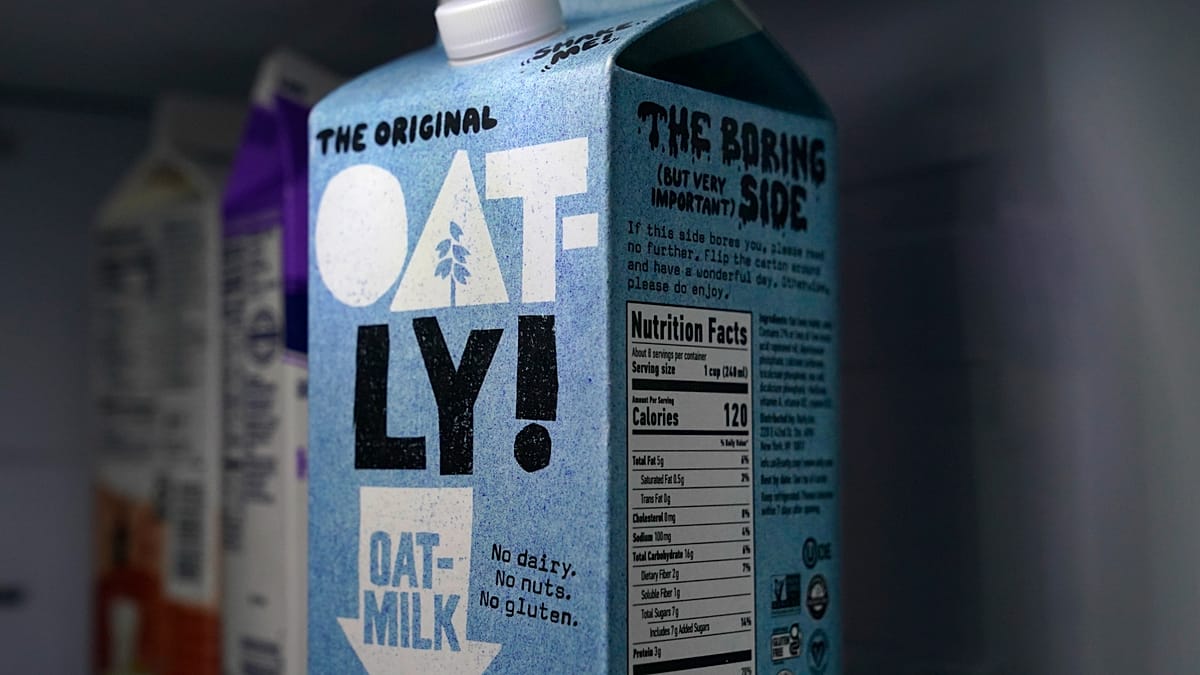
At the forefront of this effort is Greek biotechnologist Angeliki Triantafyllou, president of Cerealiq AB and winner of the 2026 European Inventor Award in the Industry category. Triantafyllou was a co-founder of Oatly, the world’s largest producer of oat-based drinks, where she led research for over two decades. Her patented enzymatic method transformed oat drinks from a niche product into a global market by improving taste, colour, texture, and foaming ability, while boosting nutritional value compared to earlier technologies.
Now, her focus has shifted to a new crop: the humble pea. In an interview with Euronews, Triantafyllou revealed that her team is developing a technology that uses the whole pea, preserving all its nutrients, rather than relying on isolated protein as most current applications do. “Our method, with our enzymatic technology, preserves all the properties and the full nutritional value of the pea. And of course it is an environmentally friendly method,” she explained.
Beyond the Hype: Nutritional Substance Over Market Fads
Triantafyllou is cautious about the direction of the plant-based sector. She argues that the future does not lie in indiscriminate market expansion or chasing the next trendy product. She indirectly points to products like almond milk, which have enjoyed commercial success but offer comparatively low nutritional value. Instead, she insists that new plant-based raw materials should be chosen for their nutritional profile and their contribution to more sustainable food production.
Peas, she notes, contain high-quality protein, while oats provide valuable beta-glucans and dietary fibre—nutrients most Europeans consume in quantities far below recommended levels. By using the whole pea, her method avoids the waste and inefficiency of protein isolation, making the final product both more nutritious and more environmentally friendly.
Triantafyllou does not see plant-based products as a wholesale replacement for animal products. Rather, they are a necessary complement to feed a planet that will need to support billions more people in the coming decades. “Animal production cannot increase indefinitely to meet the needs of a constantly growing population,” she said. Plant-based crops generally require fewer natural resources and can offer solutions in regions already facing water scarcity, soil degradation, and the impacts of climate change.
The European Patent Office recognised Triantafyllou’s contributions with the 2026 European Inventor Award, underscoring the continent’s commitment to innovation in sustainable food technology. Her work also resonates with broader European efforts to reduce the environmental footprint of agriculture, such as the Italian paper mill turning coffee waste into luxury eco-paper, which similarly rethinks waste streams.
As Europe grapples with the twin pressures of population growth and climate change, innovations like Triantafyllou’s pea milk offer a pragmatic path forward. They demonstrate that the next generation of plant-based foods can be both nutritious and sustainable, moving beyond marketing hype to address fundamental questions of food security.