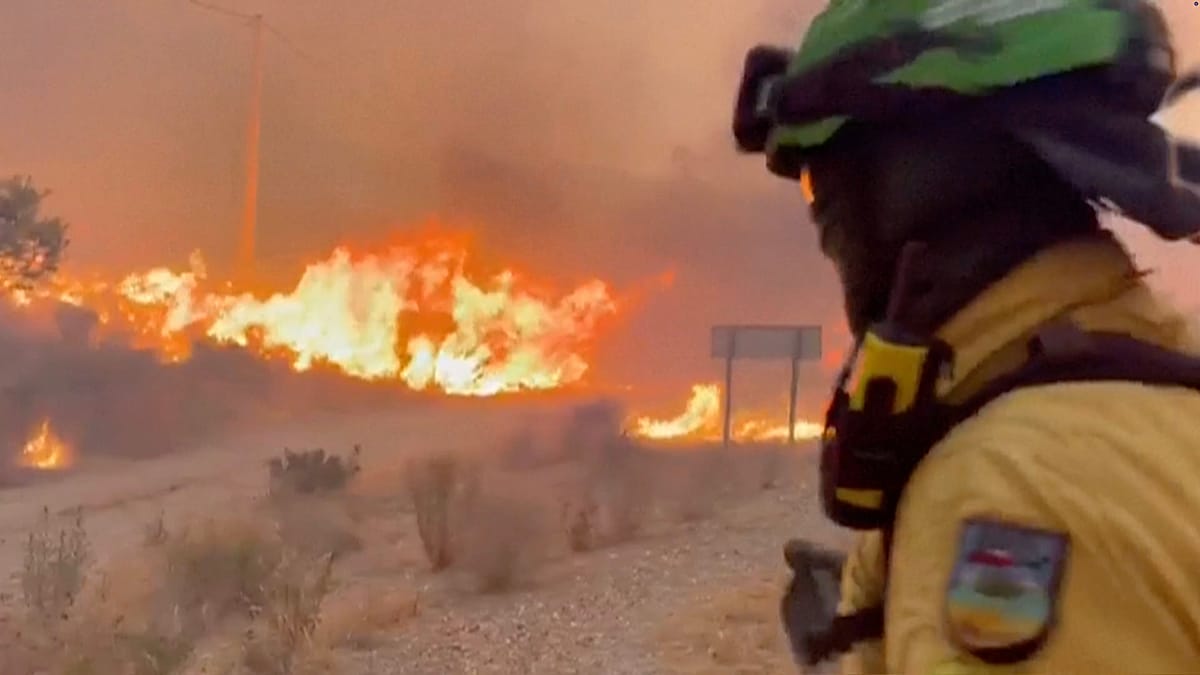
A devastating wildfire in Spain's Almería province has claimed 11 lives, with early investigations pointing to a fatal decision by some victims to abandon the designated evacuation route. The fire, which ignited on Thursday afternoon near the town of Bédar, has become the deadliest wildfire ever recorded in Andalusia, according to regional emergency services minister Antonio Sanz.
Speaking to reporters, Sanz explained that specialists are examining two scenarios to account for the fatalities. Four British nationals died inside a vehicle, while seven others perished after leaving their cars and attempting to find an exit that was not the one prescribed by emergency services. Those victims, Sanz said, ended up crossing a dry riverbed where the rapidly advancing flames overtook them.
Evacuation Challenges and Terrain
The rugged landscape around Bédar, a municipality with only two road exits, severely complicated both evacuation and firefighting efforts. Many rural roads and tracks are dead ends, leaving few alternatives when the main escape route becomes blocked by smoke or fire. The area is further dissected by steep ravines inaccessible to heavy machinery, making it extremely difficult for crews to reach the fire's left flank, which remains active.
“The terrain is extremely difficult,” Sanz said, underscoring the challenges faced by emergency responders. The fire's right flank is also a concern because of the risk it could spread to agricultural zones.
The mayor of Bédar had ordered an emergency evacuation of the town, and most residents followed the prescribed route to safety. However, authorities instructed people in another area to remain indoors because the fire was too close—a decision regional officials believe prevented an even higher death toll. Among those evacuated were approximately 400 people staying at a nearby campsite, who were moved to safety before the flames reached the area.
Emergency Response and Cause
The fire broke out at around 16:35 on Thursday and spread with alarming speed. Spain's Civil Guard believes it was caused by a fallen power line, a conclusion confirmed by Andalusian President Juanma Moreno. In response, authorities activated the Infoca wildfire emergency plan at Emergency Phase, Operational Situation 2, and closed several roads, including the A-7 motorway, for several hours.
More than 100 personnel from the Infoca Plan, the Civil Guard, fire services, and Civil Protection are involved in the operation, alongside 150 soldiers from the Military Emergency Unit. The latest assessment estimates that approximately 3,150 hectares have been burned. At the time of reporting, the communities of Almocáizar, Fuente del Albarico, Los Pinos, La Serena, and Pinar de Bédar, along with guests at the Miraflores tourist complex, remain under evacuation orders.
Spain's Prime Minister, the Royal Household, and the newly elected President of Andalusia have all expressed their condolences to the families of the victims. The tragedy has drawn attention to the growing wildfire risks across southern Europe, exacerbated by climate change and prolonged drought conditions. For more on the broader context of EU disaster response and financial solidarity, see Spain's €850 billion joint borrowing proposal.
As the investigation continues, officials are urging residents in affected areas to adhere strictly to evacuation orders. The incident serves as a stark reminder of the dangers posed by wildfires in the Mediterranean region, where unpredictable winds and dry terrain can turn a small blaze into a deadly inferno within hours. For further details on the initial response, read our earlier report: Wildfire in Almería Province Claims 11 Lives, Forces Mass Evacuations.