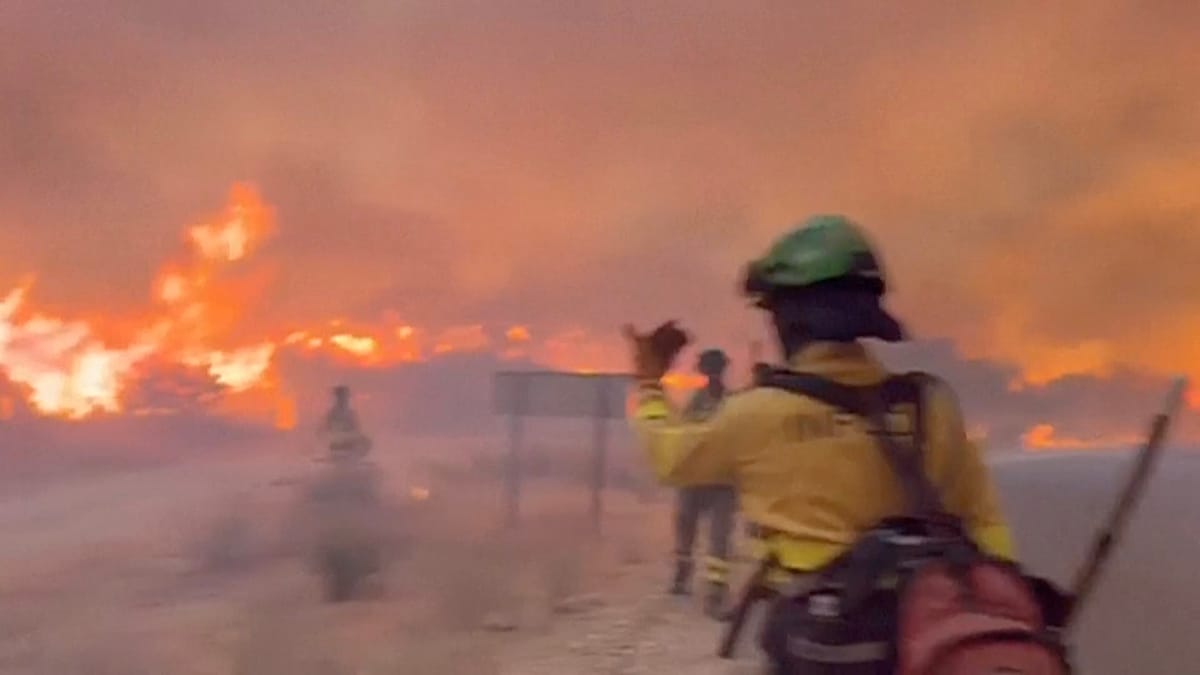
A devastating wildfire in southeastern Spain has killed at least 11 people and prompted large-scale evacuations in the province of Almería, authorities confirmed on 10 July. The fire, which ignited near the town of Los Gallardos, has swept through the semi-arid landscape of the Sierra de los Filabres, a mountainous area known for its dry vegetation and rugged terrain.
The blaze, fanned by strong winds and high temperatures, has destroyed thousands of hectares of forest and farmland. Emergency services, including the Unidad Militar de Emergencias (UME), have been deployed to contain the flames and assist with evacuations. Local officials report that several villages have been emptied as a precaution, with residents relocated to temporary shelters in nearby towns such as Vera and Cuevas del Almanzora.
Human Toll and Response
The confirmed death toll of 11 includes individuals who were trapped by the fast-moving fire. Search teams continue to comb the affected area for any additional victims. The regional government of Andalucía has declared a state of emergency, mobilizing additional resources from neighboring provinces.
Spain's Prime Minister expressed condolences and pledged full support from the central government. The European Union's Civil Protection Mechanism has been activated, with France and Italy offering aerial firefighting assistance. This marks one of the deadliest wildfire incidents in Spain in recent years, underscoring the growing threat of extreme fire seasons across the Mediterranean.
Climate scientists point to prolonged drought and record-breaking heatwaves as key factors exacerbating fire risk. Earlier this summer, Barcelona hit 40.5°C, shattering a 112-year heat record, highlighting the broader pattern of rising temperatures across the Iberian Peninsula.
Broader Context
The Almería wildfire is part of a worrying trend across southern Europe. In recent weeks, similar blazes have erupted in Greece, Italy, and Portugal, straining national emergency services and prompting calls for a more coordinated EU response. The European Commission has proposed increasing the budget for the EU's rescEU firefighting fleet, which includes water-bombing aircraft and ground teams.
Spain, in particular, has faced a series of environmental challenges this year. The country is also grappling with the economic fallout from its solar energy boom, which has led to investor jitters and negative electricity prices, though the sector remains resilient. Meanwhile, political debates over joint EU borrowing—championed by Madrid—continue to shape fiscal policy discussions in Brussels.
As the fire in Almería continues to burn, authorities urge residents to follow evacuation orders and avoid the affected zone. The full extent of the damage will only become clear once the flames are brought under control, but early estimates suggest significant losses to both property and natural habitat.