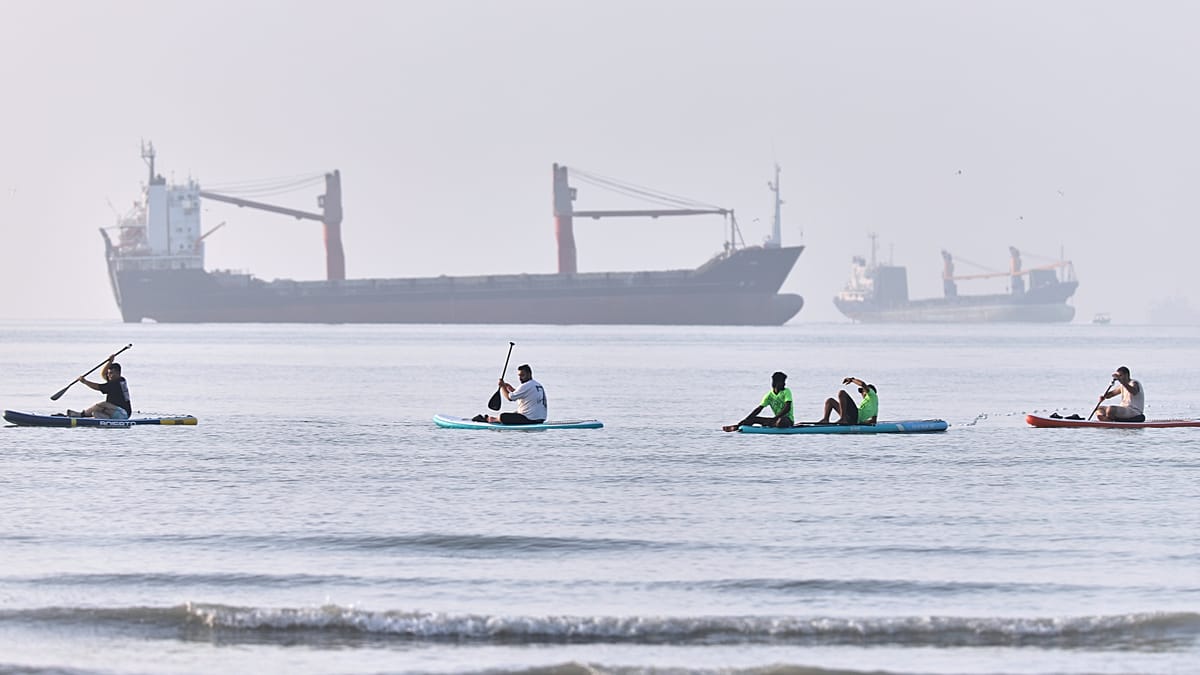
The recent disruption to energy flows through the Strait of Hormuz sent shockwaves far beyond oil and gas markets, quickly rippling through global shipping, industrial supply chains, and household bills while adding to inflationary and fiscal pressures. But the crisis also reinforced an urgent reality: for many countries, the energy transition is as much about security and economic resilience as it is about sustainability.
For much of the past decade, the central question shaping the transition debate was whether clean technologies could scale quickly enough to compete with fossil fuels. In many sectors and regions, that question has been answered. In 2025, renewables and nuclear generated 42% of global electricity usage, renewable generation grew by 9%, and global investment in clean energy reached a record $2.3 trillion.
The Harder Question: Building Resilient Systems
The harder question now is whether countries can build diversified and secure energy systems that remain affordable, sustainable, and resilient under stress. New World Economic Forum research suggests that many countries are struggling to succeed on all three fronts at once. While global progress on clean-energy deployment continued in the last year, the foundations that determine whether progress can last—investment, infrastructure, policy stability, and innovation—came under pressure. Energy security showed the clearest signs of strain, as geopolitical tensions, infrastructure bottlenecks, and supply-chain concentration grew more acute. The Hormuz crisis only accelerated this trend.
This vulnerability is increasingly shaping how governments think about the energy transition. In the past, progress was measured largely by deployment: how quickly or affordably countries could build renewable capacity, scale electric vehicles, or attract investment. Today, security has become a more important measure of success: the ability to maintain reliable and affordable energy systems amid growing geopolitical uncertainty.
The countries responding most effectively are reducing their exposure to external shocks by investing in domestic capacity and diversified energy sources. China offers an example: while it continues to partially depend on imported fossil fuels and domestic coal, it is also accelerating electrification and grid expansion with fast and large-scale renewable deployment. Wind and solar now generate 22% of the nation's electricity. The significance here is not only about pace and scale but the objective to reduce exposure to external shocks by building a more resilient and internally integrated energy system.
Europe's Strategic Autonomy Push
Europe is taking a different path towards a similar objective. Since Russia's invasion of Ukraine, investment in grids, storage, hydrogen, heat pumps, and domestic clean-technology manufacturing has become as much a strategic autonomy and competitiveness imperative as a climate one. A key goal is to reduce exposure to potentially volatile imports—though the impact of the Hormuz disruption has reinforced the scale of the challenge. For instance, EU energy ministers have considered releasing jet fuel reserves as the crisis bites, highlighting the continent's vulnerability. Meanwhile, Spain's renewable boom has shielded households from energy price spikes, showing how domestic capacity can buffer against external shocks.
Brazil, meanwhile, shows what greater resilience can look like. Decades of investment in biofuels, combined with a relatively clean domestic power mix, have left the country less exposed to recent volatility than many of its peers. Renewed investment in ethanol, biodiesel, and sustainable aviation fuel are deepening that advantage. Together, these efforts help buffer the country from external shocks while advancing its decarbonisation goals.
Japan points to another dimension of the resilience challenge: supply-chain security and innovation. Energy security increasingly extends beyond fuels to critical minerals, batteries, semiconductors, and grid equipment. A national rare metals stockpiling system helps protect against overseas supply disruptions, while decades of gains in energy efficiency, sustainability, and innovation show how security can be paired with industrial capability. The result is a model in which resilience supports competitiveness rather than simply guarding against risk.
Taken together, these examples underscore a shift in the competitive logic of the transition. Countries that can deliver reliable power from mixed sources, robust infrastructure, and secure supply chains will be better placed to attract investment and strengthen industrial capacity. The ability to withstand disruption has become a strategic economic advantage.
For governments, this will mean focusing not only on deploying renewables but building the grids, storage, and investment frameworks that make systems more resilient. For companies, energy strategy will become inseparable from competitiveness strategy. Manufacturers, data centres, and industrial firms are already exposed not just to energy prices but to grid reliability, fuel supply disruptions, and infrastructure constraints. These factors are set to play a growing role in investment decisions, as companies place greater value on certainty and continuity of supply.
The key lesson from the Hormuz disruption is not how vulnerable global markets remain to fossil-fuel shocks. It is that energy security is not separate from the transition itself but increasingly one of the conditions on which it depends. Without secure and reliable energy, affordability becomes fragile and sustainability becomes harder to sustain. As Europe navigates this next phase, the focus must be on building systems that can withstand shocks while advancing decarbonisation—a dual challenge that will define the continent's energy future.