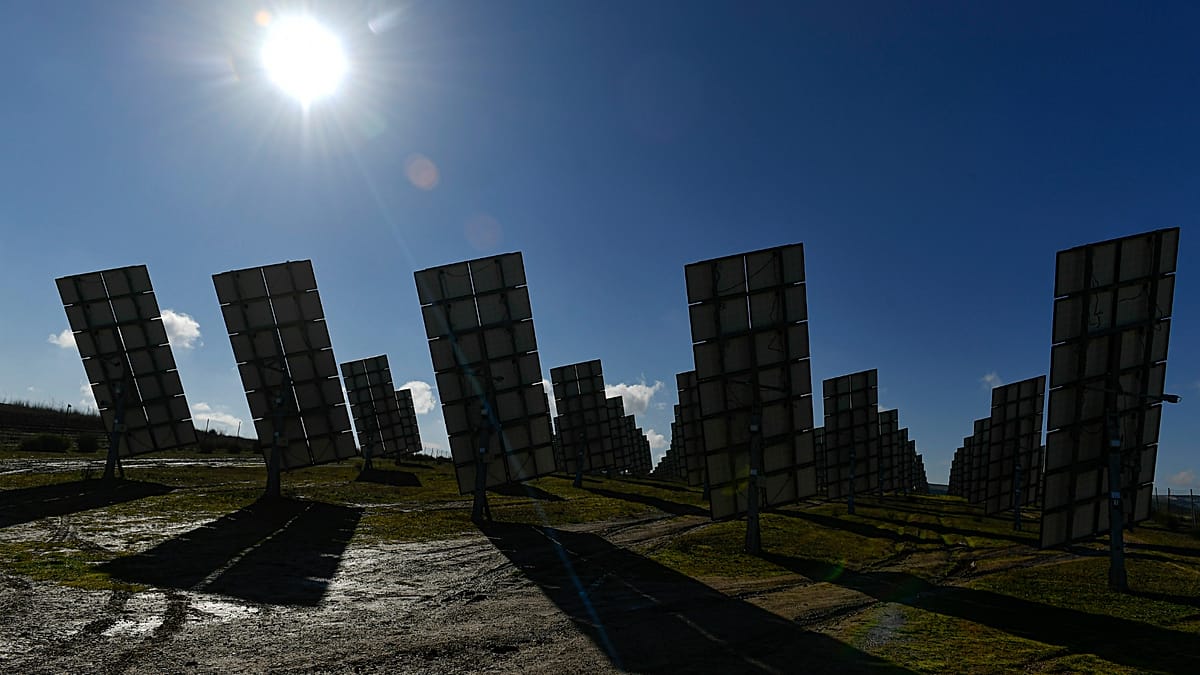
While much of Europe grapples with soaring energy costs triggered by the conflict in Iran, Spain has emerged as a notable exception. New analysis from the independent energy think tank Ember reveals that Spanish households have saved an average of €10 per month on electricity bills since the closure of the Strait of Hormuz in March. This relief stems directly from the country's aggressive push into renewable energy, which has reduced the impact of fossil fuel prices on electricity costs by 75% since 2019.
How Renewables Are Cutting Costs
Natural gas, typically the most expensive source of electricity, often sets the wholesale price across Europe. In Spain, however, gas now influences power pricing only 9% of the time, down from 52% in 2021. This shift is driven by a 37% increase in wind and solar generation between 2021 and 2025. “Wind and solar growth are acting as a shield against the price impacts of global instability,” said Chris Rosslowe, author of the Ember report. “While gas prices spike, renewables are keeping power bills down for Spanish households and businesses.”
Spain has doubled its combined wind and solar capacity since 2019, adding over 40 gigawatts (GW)—more than any other EU country except Germany, whose electricity market is twice the size. In August 2025, Spain did not use coal-fired power at all, a stark contrast to a decade earlier when coal supplied a quarter of its electricity. “You don’t need Spanish sunshine to achieve what Spain has done—every country in Europe could be making better use of its own wind and solar resources to reduce reliance on expensive gas,” Rosslowe argued.
The benefits are tangible. In March 2026, Spanish wholesale power prices averaged €42 per megawatt-hour (MWh), three times lower than in gas-dependent Italy, where prices hit €143/MWh. Since March, Spain has consistently ranked among Europe’s lowest-cost electricity markets. This resilience is especially valuable as the EU’s wholesale gas prices have risen 60% since the Iran war began, according to Ember.
Yet most Europeans are missing out. The EU has increased fossil fuel imports since the conflict started, saddling the bloc with a €60 billion energy bill. “Less than five percent (€2 billion) of it has gone to electrification measures, the one structural investment that reduces exposure today and builds energy resilience for tomorrow,” said Alice Moscovici, a researcher at the Jacques Delors Institute. A March 2026 Greenpeace study found that EU oil companies are earning an extra €81.4 million in profits daily, prompting calls for windfall taxes.
Tax Cuts and Grid Stability
Spain has also taken steps to ease the burden on consumers. Temporary tax cuts between March and May 2026 removed €8 from the typical monthly domestic electricity bill, encouraging electrification and reducing dependence on imported fossil fuels. This is significant because, according to the International Energy Agency, 28% of the average European consumer’s electricity bill goes to taxes and levies, with electricity taxed 4.2 times higher than fossil gas in Spain (and 3.2 times higher in Germany).
Spain’s renewable momentum continued despite a major blackout in April 2025 that plunged the entire country into darkness, causing traffic chaos, metro disruptions, and casualties. A 472-page report attributed the outage to voltage fluctuations. Rather than slowing down, the government accelerated: between May 2025 and February 2026, Spain added an average of 1.3 GW of wind and solar capacity per month, above the previous 12-month average of 1.2 GW.
The blackout did lead to the grid being placed in “reinforced mode” to ensure stability. If this measure were lifted, bills could fall further. However, other stability measures are positive. Ember’s report notes that the Spanish government introduced emergency measures to improve grid resilience, including exempting battery storage at existing renewables plants from additional environmental assessments. This facilitates greater integration of intermittent sources like wind and solar.
Spain’s experience offers a clear lesson: strategic investment in renewables can decouple electricity prices from volatile fossil fuel markets. As the EU grapples with energy security and climate goals, Spain’s model—combining rapid capacity expansion with targeted tax relief—provides a blueprint for other member states. The country’s success is not just about sunny skies; it is about political will and consistent policy, as highlighted by the Finnish firm Wärtsilä powering Spain's grid with the world's first large-scale hydrogen engine, a testament to cross-border innovation. Meanwhile, Spain's inflation holds at 3.2% for the third month, partly due to energy cost pressures from the Iran conflict, underscoring the importance of continued renewable expansion.