Spain's consumer price index (CPI) held steady at 3.2% year-on-year in May, marking the third consecutive month at that level, according to final data from the National Statistics Institute (INE). The persistence reflects ongoing energy price volatility linked to the conflict in Iran, which has disrupted global supply chains and pushed up transport costs.
Month-on-month, the CPI rose by 0.1%, a slowdown from April's 0.4% increase. The figures confirm the flash estimate published by the INE at the end of May.
What drove prices up and down
The main upward contributors were transport and leisure services, including sport and cultural activities. Package holidays exerted particular pressure: their prices fell less sharply in May 2026 than in the same month a year earlier, amplifying the index's rise.
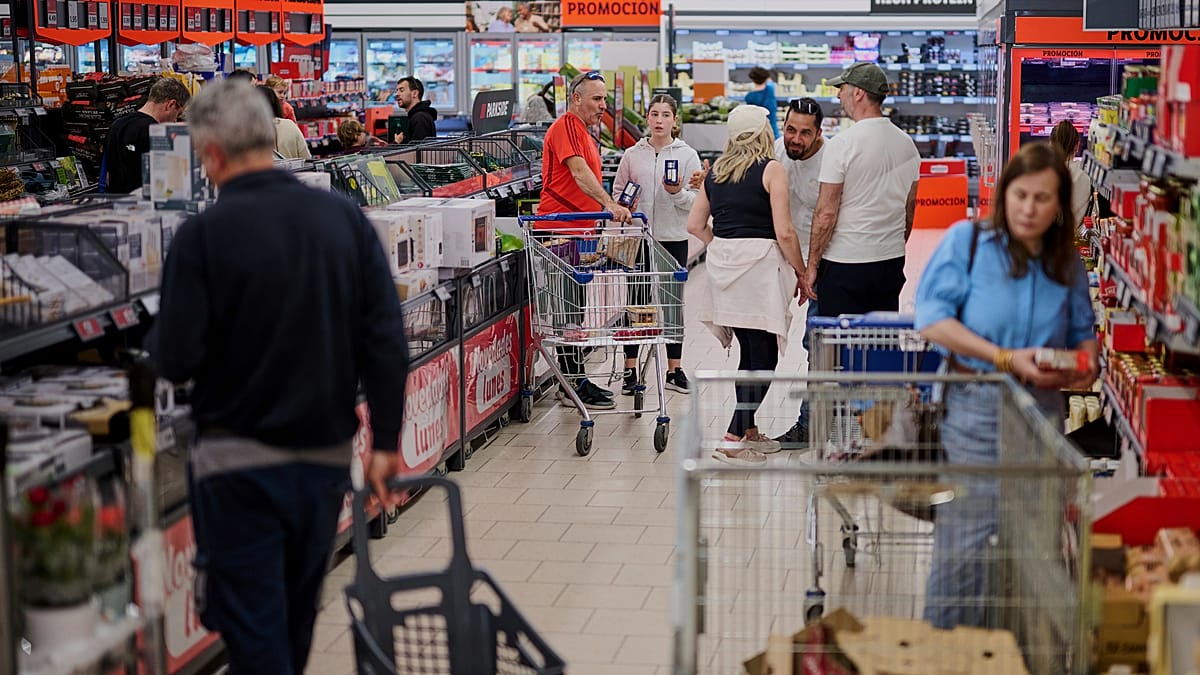
On the downside, clothing and footwear prices declined, while food and non-alcoholic beverages saw their annual rate ease to 2.2%—four tenths of a point below April. This moderation was driven by lower prices for fruit, vegetables, pulses, and potatoes.
Underlying inflation, which strips out energy and fresh food, rose to 3%, one tenth above the advance estimate and two tenths higher than in April. The harmonised CPI, used for EU-wide comparisons, stood at 3.6% year-on-year.
The Spanish government struck a cautiously optimistic tone, attributing the stability to its anti-crisis measures and the so-called 'renewables shield.' Officials estimate that the Response Plan to the Middle East conflict has reduced headline inflation by just over one percentage point.
Over the next two weeks, the government plans to meet with representatives from the energy, agri-food, and industrial sectors to assess the war's impact and, if necessary, adjust the anti-crisis plan. This comes as the European Central Bank raised rates for the first time in three years in response to Iran-driven eurozone inflation, and the Eurogroup chief warned that fiscal policy must not undermine the ECB's inflation fight.
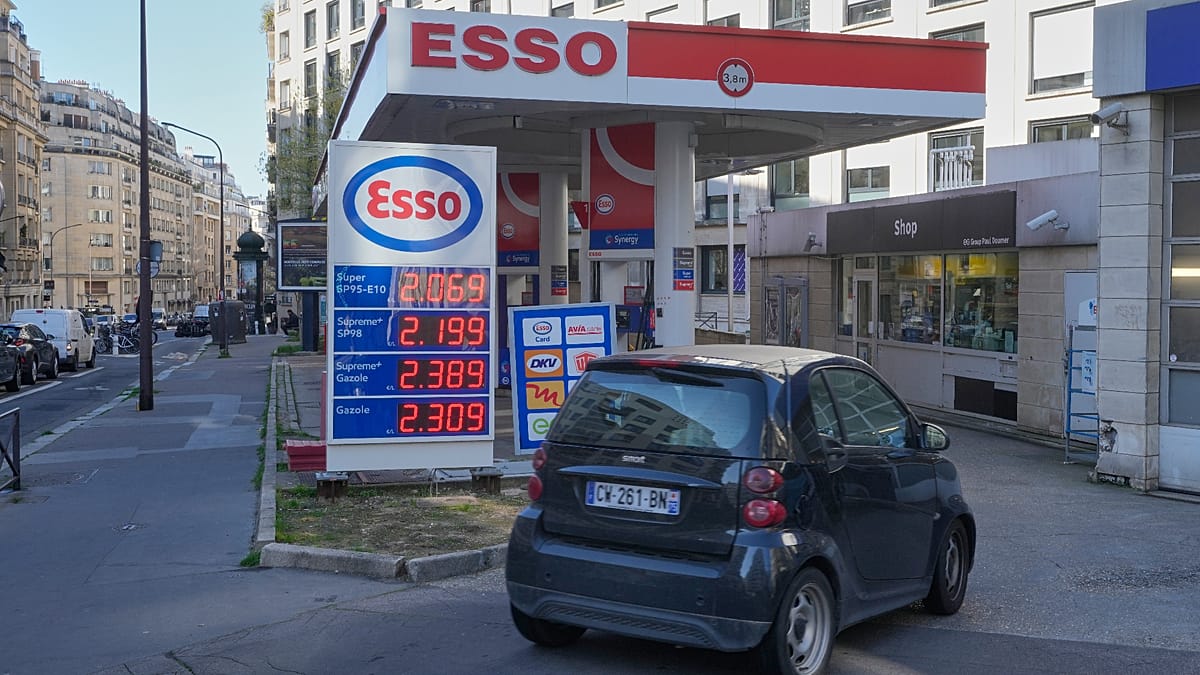
The conflict in Iran has also led to US strikes on a third tanker in the Gulf of Oman, tightening the blockade on Iranian ports and further unsettling energy markets. For Spain, a net energy importer, these developments keep upward pressure on transport and fuel costs.
Despite the sticky headline figure, the government's message remains one of relative calm. However, the rise in core inflation—now at 3%—suggests that underlying price pressures are broadening beyond energy and fresh food, a trend that will be closely watched by the ECB and by households across the eurozone.