US Central Command (CENTCOM) confirmed on Thursday that its forces struck and disabled another oil tanker attempting to evade the US blockade of Iranian ports. The attack, the third this week and the ninth since the blockade began, targeted a Guinea-Bissau-flagged vessel in the Gulf of Oman.
According to CENTCOM, a US aircraft fired two Hellfire missiles into the ship's engine room after the crew repeatedly failed to comply with directions from American forces. The incident occurred around 4:20 am CEST, approximately 21 nautical miles northeast of Sohar, Oman. The UK Maritime Trade Operations (UKMTO) Centre reported a tanker fire in the area, and the Indian embassy in Oman confirmed that the Omani navy was evacuating crew members. British marine security firm Vanguard stated the tanker had 20 crew aboard.
Escalating Strikes and Human Cost
This latest strike follows a similar attack on Wednesday, when a US warplane hit the Palau-flagged MT Settebello off the coast of Oman. That strike left three Indian crew members missing, later confirmed dead. India summoned the senior US diplomat in New Delhi on Wednesday to lodge a strong protest over the incident.
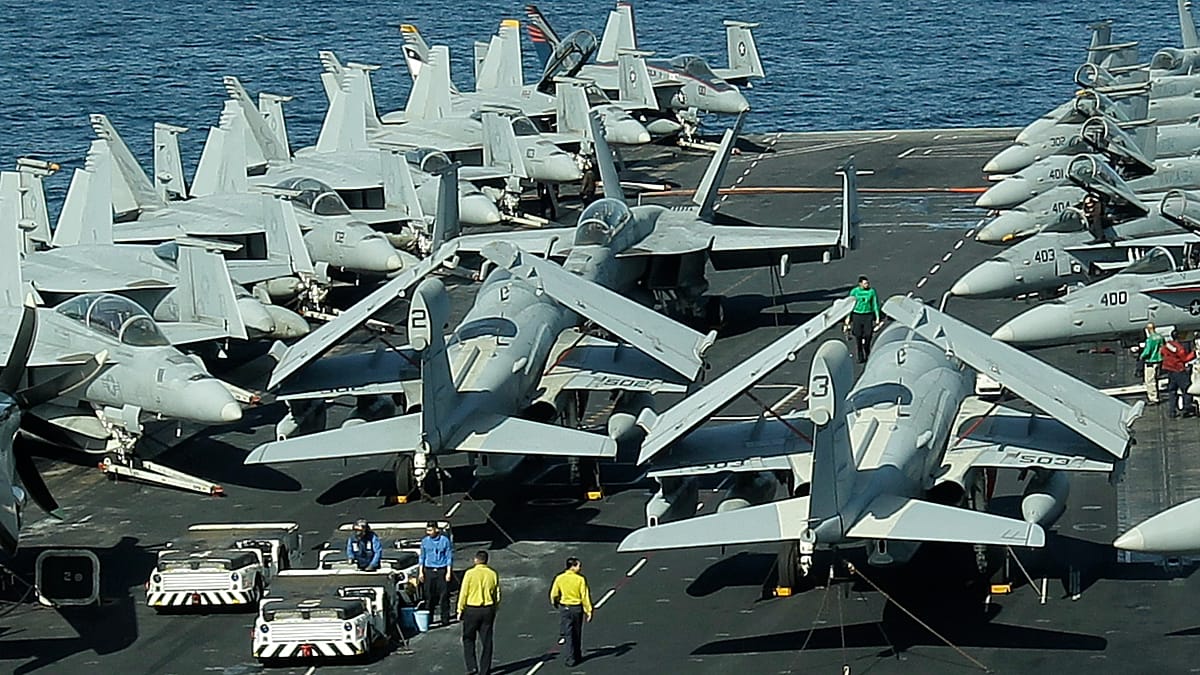
On Monday, a US F-18 Super Hornet from the aircraft carrier USS Abraham Lincoln disabled the Palau-flagged MT Marivex in the Gulf of Oman under the same pretext of non-compliance. The US military said that since the blockade began on 13 April, it has redirected 135 ships that complied and allowed 42 vessels carrying humanitarian aid to pass.
The Strait of Hormuz, a critical chokepoint for global oil shipments, has been under rival blockades for months. Tehran halted cargo ship traffic through the waterway at the start of the war on 28 February, while the US imposed its own blockade on all Iranian vessels and ports. The US strikes are part of a broader campaign to enforce this blockade, which has drawn international concern.
The European Union has not directly intervened in the Strait of Hormuz tensions, but the bloc has been monitoring the situation closely. The disruption of oil flows through the strait has implications for European energy security, as several EU member states rely on imports from the region. The US strikes also come amid broader US-Iran tensions, including Trump's threats of escalation after stalled talks.
The deaths of Indian sailors have added a diplomatic dimension, with New Delhi pressing Washington for answers. The US has not commented on the casualties beyond confirming the strikes. The ongoing blockade and strikes have raised questions about the legality of such actions under international maritime law, though the US asserts its right to enforce the blockade.
As the situation evolves, European governments are likely to face pressure to take a stance, particularly given the potential for further escalation. The EU has previously called for de-escalation in the region, but the latest strikes suggest no immediate end to the US campaign.