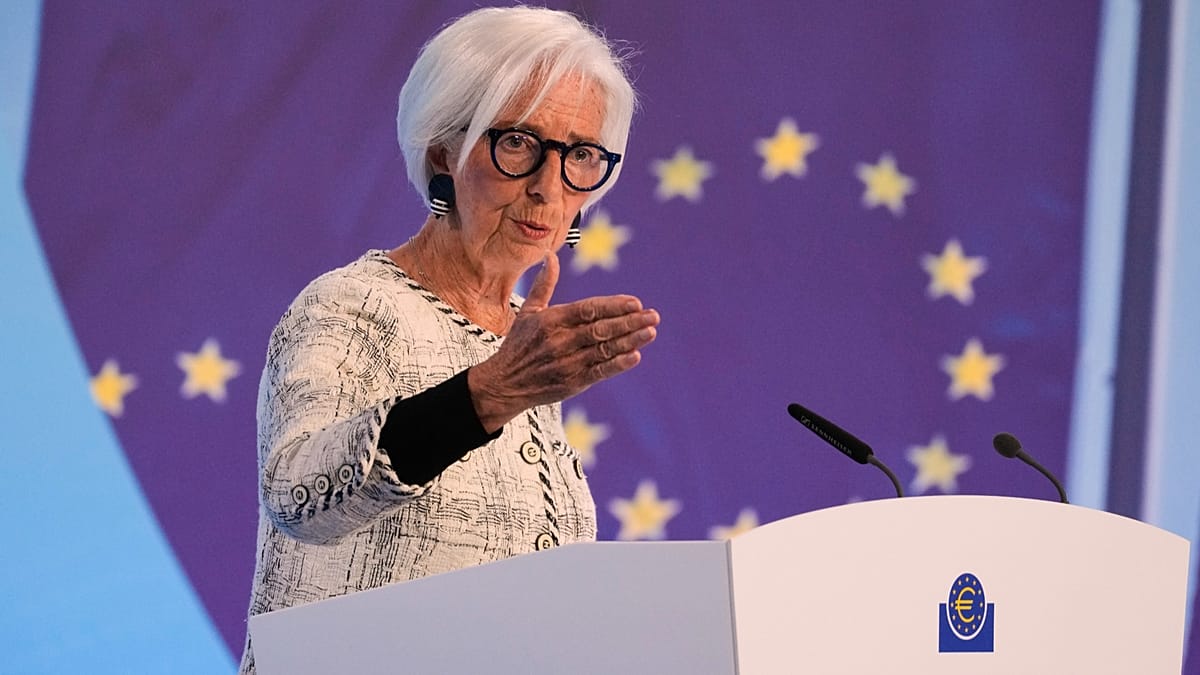
The European Central Bank raised its deposit facility rate by a quarter of a percentage point to 2.25% on Thursday, ending a prolonged period of monetary easing as the Iran war drives eurozone inflation to its highest level in nearly three years. The decision, taken by the governing council in Frankfurt, marks the first rate increase since September 2023, when the deposit rate peaked at 4.0% during the post-pandemic tightening cycle.
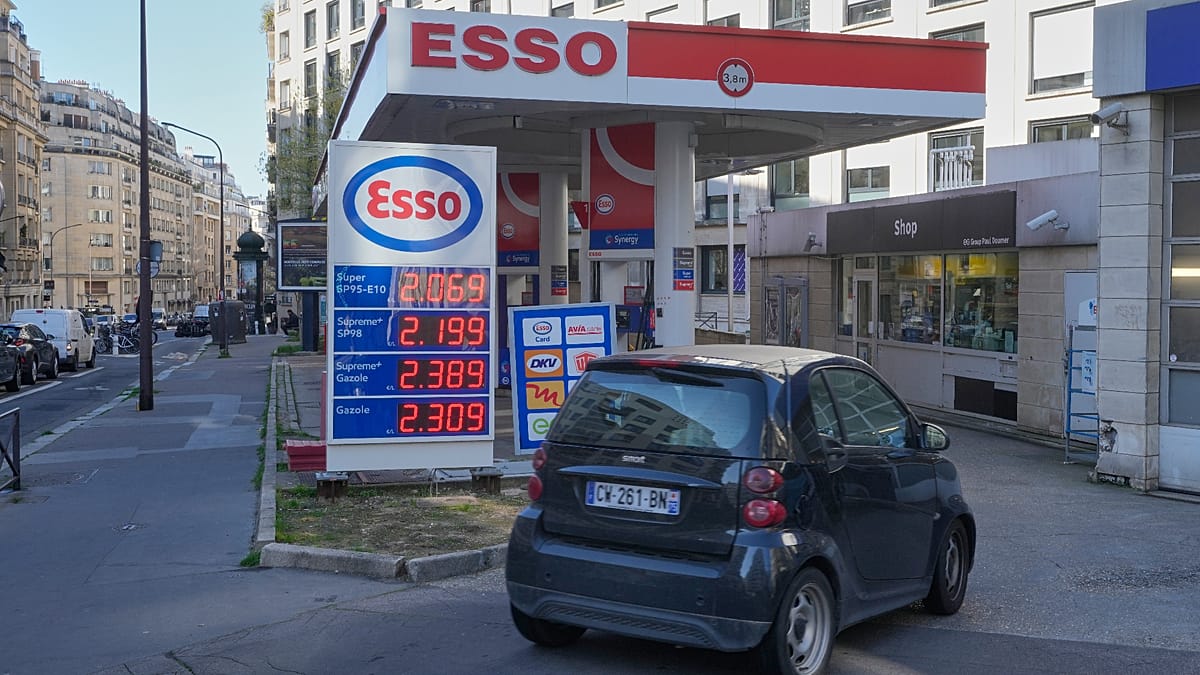
The ECB also lifted its main refinancing operations rate to 2.4% and its marginal lending facility rate to 2.65%. The move reverses the easing trajectory that defined ECB policy through much of 2025, as the conflict in Iran pushes energy prices up by 10.9% year-on-year, feeding into broader price pressures across the 21-country currency bloc.
Eurozone inflation reached 3.2% in May, the highest reading since September 2023, and core inflation—stripping out volatile food and energy—rose from 2.2% in April to 2.5% in May. That rise undermines any argument that price pressures remain confined to energy alone, according to analysts. Ahead of Thursday's meeting, financial markets had priced in a hike with near certainty, after signals from both hawkish and dovish members of the governing council.
Stagflation fears mount
The rate increase comes at a difficult moment for the eurozone economy. The bloc's GDP contracted by 0.2% in the first quarter of 2026, prompting economists to warn of a period of stagflation—weak growth combined with rising inflation and deteriorating confidence. The ECB's own Survey of Professional Forecasters now projects full-year 2026 GDP growth at just 0.9%, a downward revision attributed directly to higher energy prices stemming from the Iran war.
For households and businesses across the eurozone, the decision translates into higher borrowing costs on mortgages and corporate loans, at a time when purchasing power is already squeezed by elevated fuel and gas prices. As real wages slip across the eurozone, the rate hike adds further pressure on consumers and firms alike.
Markets are pricing in roughly a 50% probability of a further hike in September, suggesting Thursday's move is seen as the opening of a new tightening phase rather than a one-off intervention. ECB President Christine Lagarde has defended the rate hike as robust across three scenarios amid the Middle East crisis, signaling the bank's readiness to act again if needed.
Internal debate and economic rationale
The intellectual case for Thursday's hike was made forcefully by ECB Executive Board member Isabel Schnabel, the policymaker responsible for market operations. Speaking at a conference in Seoul, Schnabel argued that the ECB should raise rates in June regardless of whether ongoing Iran peace talks produce a deal, citing the conflict's duration and the degree to which high energy prices were spilling into the broader economy.
Schnabel warned that "the risk of de-anchoring inflation expectations is rising" and that the bank could no longer "look through this shock." Chief Economist Philip Lane also said conditions had worsened since the bank's March projections and that the June meeting would bring an upward revision to the ECB's inflation forecast. Schnabel went further, predicting inflation could rise to 4% before the year is out.
The governing council concluded that inaction was no longer tenable, given the persistence of price pressures. The decision reflects a broader challenge for European policymakers: balancing the need to contain inflation against the risk of deepening an economic slowdown that is already weighing on employment and investment across the continent.