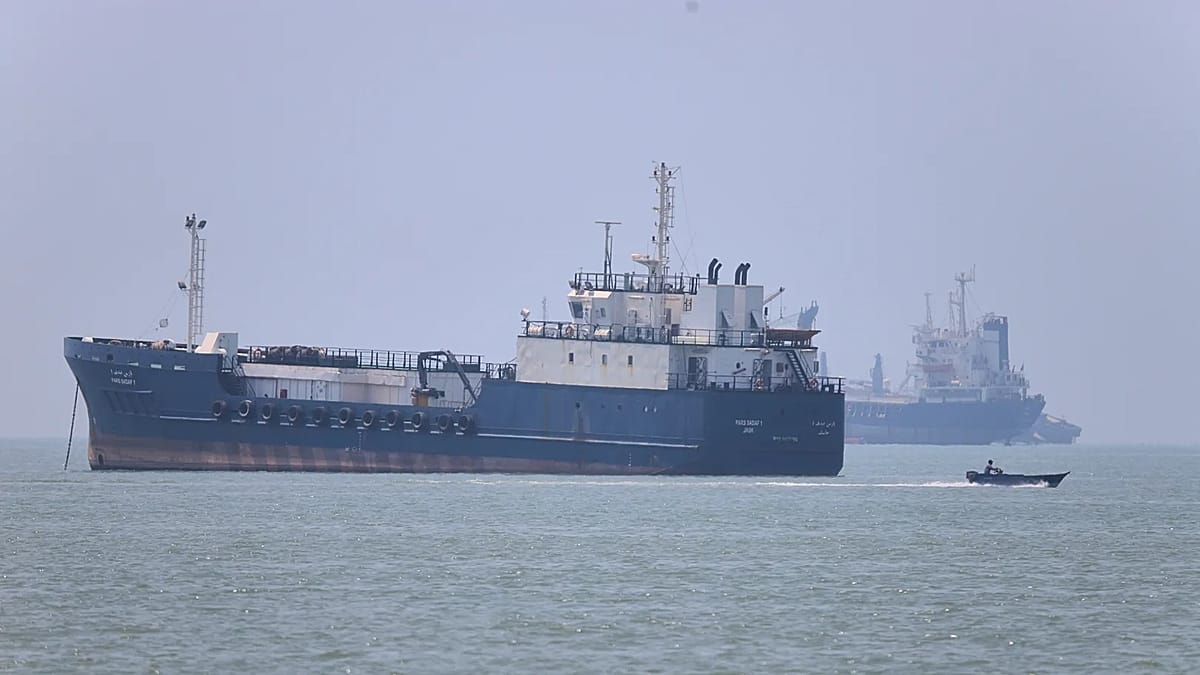
Confusion continues to grip the Strait of Hormuz, one of the world's most critical energy chokepoints, as conflicting reports emerge about whether Iran has reclosed the waterway. The uncertainty threatens to undermine the recently signed US-Iran memorandum of understanding, which had raised hopes for a de-escalation in the region.
On Friday, Iranian activist Ilia Hashemi posted on Telegram that warning shots had been fired in the area and that ships were being warned not to approach the Strait. Hashemi later reported that the warning fire had ceased, but vessels were receiving no response when inquiring via radio whether the passage was indeed closed.
In a contradictory development, the Persian Gulf Strait Authority announced that ships submitting "compliant transit requests" would be allowed to pass through the Strait "during the announced period." The authority specified that crew must submit requests at least 48 hours before arrival and that no fees would be charged for 60 days.
Regional Tensions and Broader Implications
The Strait of Hormuz, through which about 20% of the world's oil passes, has been a flashpoint for months. The recent US-Iran deal had appeared to reopen the waterway, but the latest reports suggest a fragile situation. The confusion comes amid a broader escalation in the Middle East, with Israel and Lebanon trading strikes overnight and into Friday.
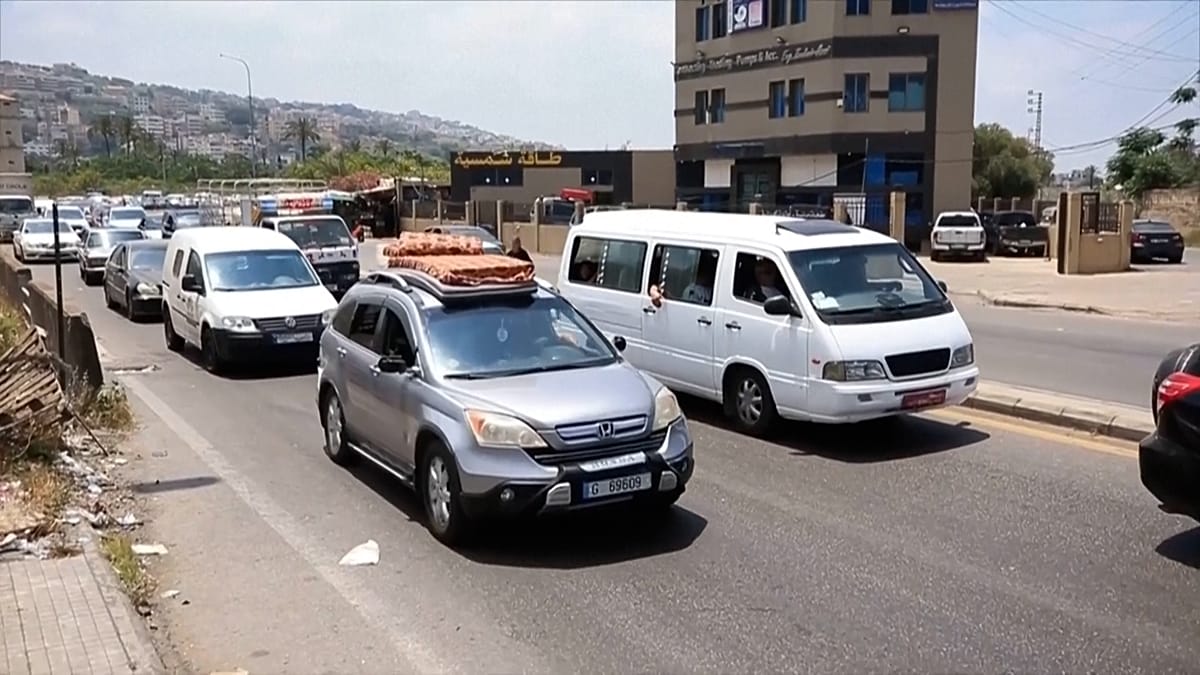
The Israeli military reported that four soldiers were killed in southern Lebanon on Thursday, with five others injured in an "explosive drone impact" on Friday. Prime Minister Benjamin Netanyahu vowed to "exact a very heavy price from Hezbollah," while National Security Minister Itamar Ben-Gvir called for "all of Lebanon" to burn. The Israel Defense Forces carried out strikes across southern Lebanon, targeting Hezbollah operatives and infrastructure, reportedly killing at least 18 people.
For European nations, the Strait of Hormuz crisis has direct consequences. The EU Energy Ministers Consider Releasing Jet Fuel Reserves as Hormuz Crisis Bites, highlighting the strain on energy supplies. Germany has also been drafting a mandate for a naval mission in the region, as legal questions remain about its participation.
The reopening of the Strait had previously boosted European markets, with Spain's Ibex 35 breaking the 19,000 barrier. However, the current confusion could reverse those gains. The Houthi Red Sea Ban and Hormuz Blockade Threaten Global Energy Routes, compounding risks for European economies reliant on stable energy flows.
As the situation evolves, the international community watches closely. The US-Iran deal, which had been seen as a potential step toward stability, now faces renewed scrutiny. The Persian Gulf Strait Authority's announcement of a transit request system may offer a temporary solution, but the underlying tensions remain unresolved.