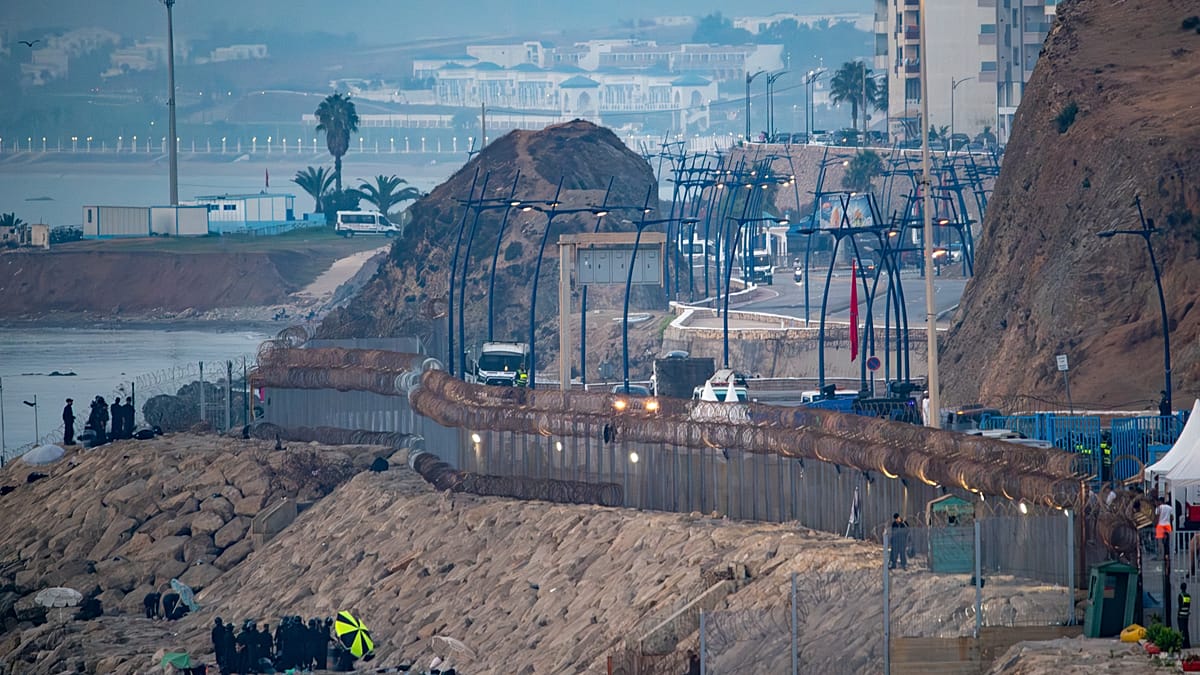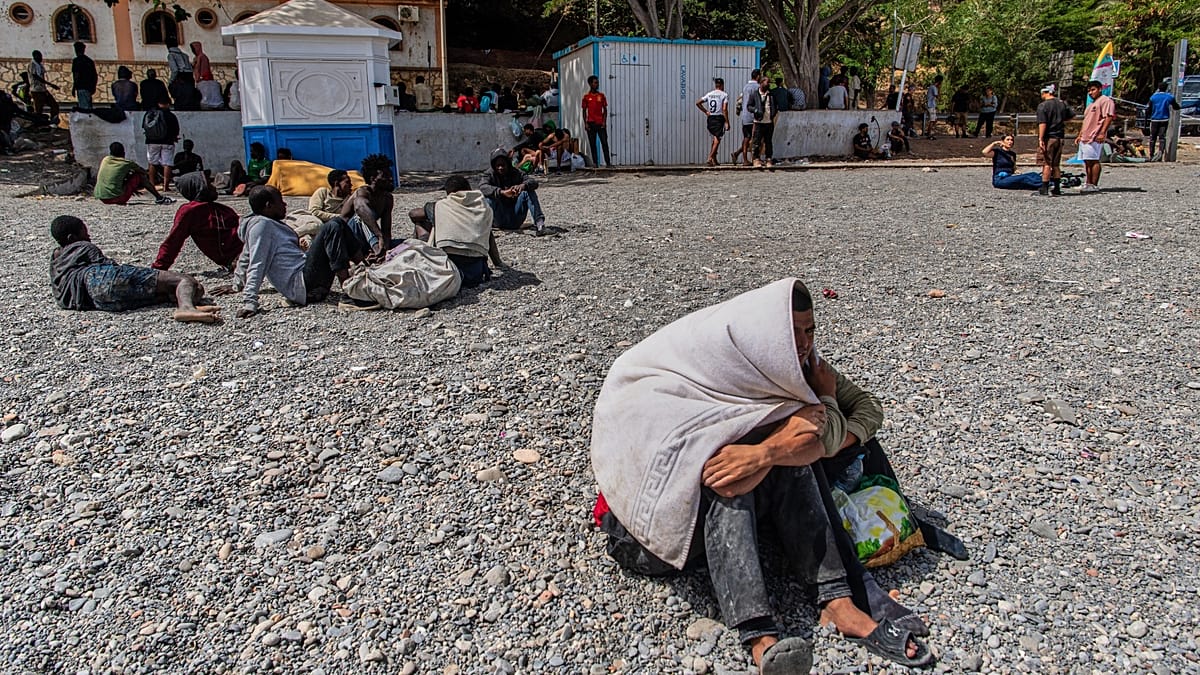
Spanish authorities are investigating a suspected new smuggling route that uses speedboats and jet skis to ferry migrants from the North African enclave of Ceuta to the Spanish mainland. According to the Spanish newspaper Europa Sur, criminal networks are exploiting the presence of thousands of migrants still stranded in Ceuta following the recent border crisis, offering irregular crossings across the Strait of Gibraltar to lightly monitored beaches on Spain's southern coast.
Over the weekend, Spanish security forces intercepted several landings near the cities of Algeciras and La Línea de la Concepción, close to Gibraltar. Those detained were reported to be young Moroccan nationals. The incidents suggest that people-smuggling operations are adapting to the heightened security around Ceuta by shifting to faster, more agile vessels that can evade patrols.
Pressure on the Strait of Gibraltar
The reported crossings come as Spain has reinforced its security presence in and around Ceuta and increased surveillance of the Strait of Gibraltar. Officials say they are monitoring the suspected smuggling networks and working to dismantle them. The strait, which separates Europe from Africa by just 14 kilometres at its narrowest point, has long been a focal point for irregular migration, but the use of jet skis marks a concerning evolution in tactics.
Ceuta still hosts thousands of migrants, including over 860 minors, according to recent reports. The situation has strained local resources and sparked political debate in Madrid about border management and migration policy. The European Union has also weighed in, with EU leaders discussing border checks and solidarity with Spain.
The new smuggling route highlights the resilience of criminal networks, which quickly adapt to enforcement measures. "They are using the chaos and the desperation of those left behind," said a Spanish police source quoted by Europa Sur. "The boats are fast, and they target beaches where patrols are less frequent."
Local authorities in Andalusia have reported an increase in maritime interceptions in recent weeks. The Guardia Civil and the National Police have stepped up joint operations, but the sheer volume of migrants in Ceuta—many of whom are reluctant to return to Morocco—provides a ready pool of potential customers for smugglers.
The development also raises questions about the effectiveness of the border agreement between Spain and Morocco, which had led to a sharp drop in irregular crossings in previous years. The recent crisis, which saw thousands of people swim or wade into Ceuta after Moroccan border guards appeared to stand aside, has exposed the fragility of that arrangement. The collapse of border controls has become a point of contention in Spanish politics, with opposition parties criticising the government's handling of the situation.
For the migrants themselves, the journey by jet ski or speedboat is extremely dangerous. The Strait of Gibraltar is one of the busiest shipping lanes in the world, and the vessels used by smugglers are often overloaded and unseaworthy. Several drownings have been reported in recent years, and the death toll from the latest surge has already reached 72, according to official figures.
European solidarity has been a recurring theme in the aftermath of the crisis. Spain has called on its EU partners to share responsibility for the migrants, but so far the response has been limited. Spain's demands for EU solidarity have been met with cautious statements from Brussels, while some member states have focused on strengthening their own borders.
The new smuggling route is likely to intensify pressure on Spanish authorities to find a durable solution. In the meantime, the Guardia Civil has increased patrols along the Andalusian coast, and officials are working with Moroccan counterparts to identify and dismantle the networks behind the crossings. But as long as thousands of migrants remain in limbo in Ceuta, the lure of a fast boat to the mainland will remain strong.