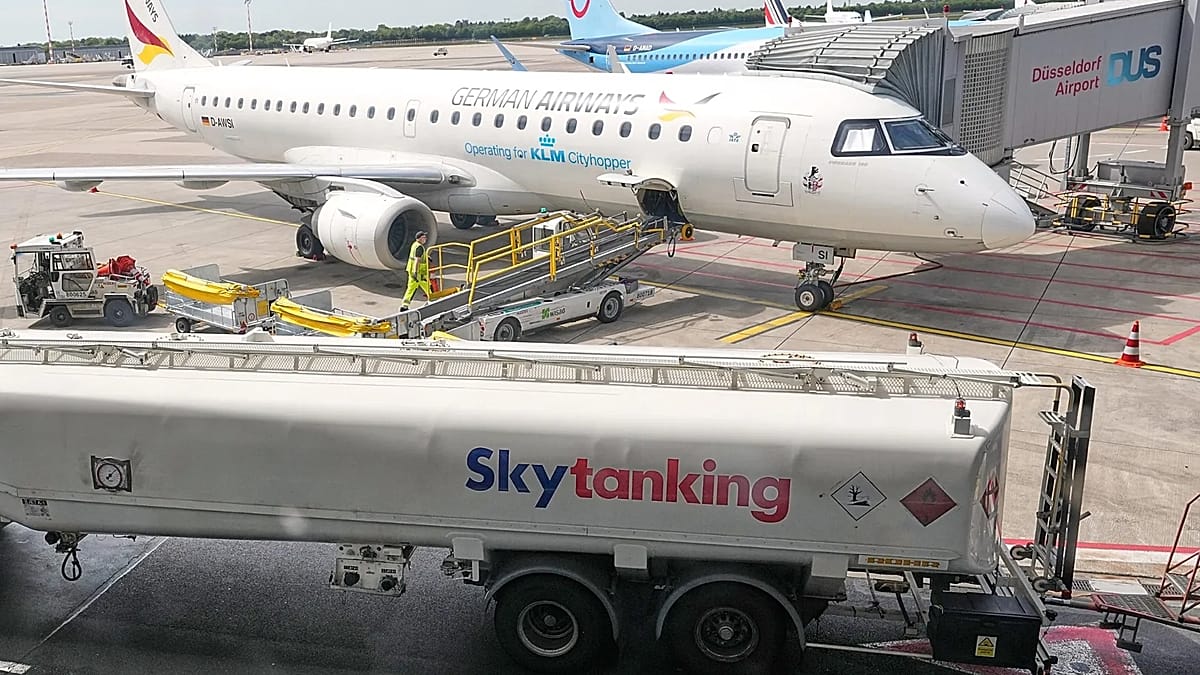
European energy ministers are weighing the coordinated release of strategic jet fuel reserves as the prolonged closure of the Strait of Hormuz threatens to disrupt supply just as the summer travel season peaks, according to a European Council briefing document seen by European Pulse.
The document, prepared ahead of a meeting of EU energy ministers on 26 June, warns that while crude oil and natural gas markets have so far avoided major physical shortages, aviation fuel remains the most exposed product. Disruptions to shipping through the Strait of Hormuz are now entering their third month with no resolution in sight.
“Jet fuel is drawing more focus as the demand is heading into its seasonal summer peak. The possibility of drawing on strategic reserves to cover commercial shortfalls before the year ends is a real and near-term risk,” the briefing states.
Refined Products Under Acute Pressure
The closure of the Strait of Hormuz has dramatically reduced tanker traffic through one of the world’s most critical energy chokepoints, cutting off a significant share of Middle Eastern oil exports. In response, the International Energy Agency (IEA) coordinated the release of 400 million barrels of oil on 11 March. While the global release consisted largely of crude oil, the IEA noted that European emergency contributions specifically prioritised refined products such as jet fuel due to regional shortages.
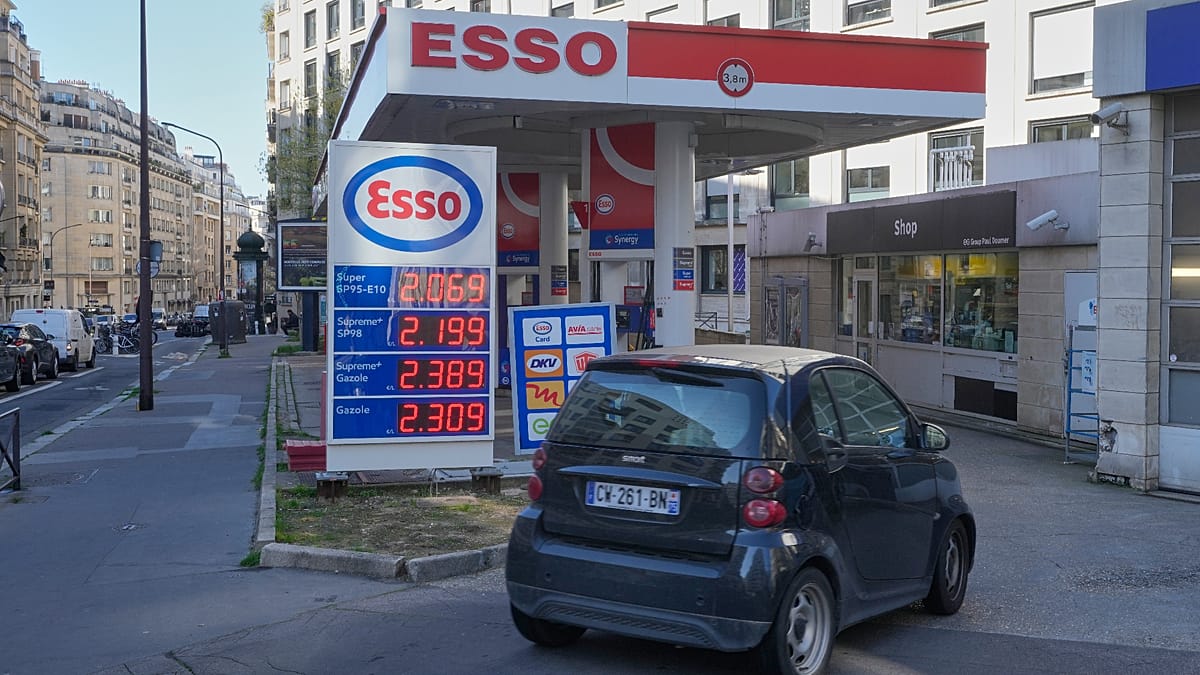
Although oil prices have retreated from their early-conflict highs, refined products have remained under acute pressure, with jet fuel the hardest hit. According to the Council briefing, jet fuel prices surged far more sharply than crude itself, with some regional markets seeing values roughly double during the height of the disruption.
Despite the price shock, George Shaw, an energy analyst at market intelligence firm Kpler, said there has been a “sharp movement” towards increased jet fuel production across European refineries. The majority of the EU’s refining capacity is concentrated in Germany, Italy, Spain and the Netherlands. Growing imports from the United States are also expected to continue, Shaw added, with Nigeria another important supplier. “Smaller quantities” still come from the Middle East.
“As we get further into the summer, though, and particularly around August and September when consumption increases, supply will certainly be stressed,” Shaw told European Pulse.
Airline Industry Calls for Rule Suspension
The European Airports’ industry association, ACI Europe, warned the European Commission in a letter on 10 April that a “systemic” jet fuel shortage would become a reality for the EU if the Strait of Hormuz were not reopened “within the next three weeks”. These concerns were echoed by IEA chief Fatih Birol, though some airlines have since struck a more confident tone. Both Air Canada and Lufthansa have said they are not concerned about shortages and do not expect mass flight cancellations this summer.
A spokesperson from the International Air Transport Association (IATA) rejected the idea of immediate shortages but acknowledged broader vulnerabilities. “While we anticipate no immediate fuel supply shortages, current market dynamics highlight broader, systemic vulnerabilities,” the spokesperson said.
IATA is calling for a temporary suspension of the EU’s so-called “anti-tankering” rules, which prevent airlines from carrying extra fuel to save money. “The EU should amend its rules to allow suppliers and airlines to allocate and concentrate fuel stocks where they are most critically needed. This would eliminate the massive administrative burden of processing thousands of individual exemption requests,” the spokesperson added.
Broader Energy Security Debate
Inventories and alternative supply routes have so far acted as a buffer. High pre-crisis stock levels, increased imports from the US and Nigeria, and weaker demand in some sectors have prevented serious disruptions from reaching consumers. But those safeguards are not expected to last indefinitely.
The prospect of prolonged disruption is driving a broader debate in Brussels over energy security. According to the Council briefing, the European Commission is preparing recommendations on coordinated reserve releases and demand-management measures, while warning governments against unilateral interventions that could fragment the single market. “The Commission is preparing formal recommendations on demand management and on the coordinated release of strategic reserves, including jet fuel stocks, to ensure equitable distribution across member states,” the briefing says.
Energy analysts have estimated that even under the most optimistic scenario, recovery will be slow. The crisis has also highlighted the interconnected nature of European energy markets, as seen in the UK economy shrinking in April as the Iran conflict drove energy costs higher. Meanwhile, the European Central Bank has defended its rate hike as robust across multiple scenarios, as Lagarde defended the ECB rate hike amid the Middle East crisis.
As the summer travel season intensifies, EU energy ministers face a delicate balancing act: ensuring that jet fuel reaches airports across the continent without triggering panic buying or market distortions. The coming weeks will test whether the bloc’s emergency mechanisms are sufficient to keep Europe’s skies open.