Britain's economy contracted by 0.1% in April, the first monthly decline since August 2025, according to data released Friday by the Office for National Statistics (ONS). The downturn marks the clearest sign yet that the conflict in the Middle East is beginning to weigh on UK output, as higher energy costs prompt households and businesses to tighten spending.
The services sector, which accounts for the bulk of British economic activity, fell by 0.2% on the month. Production was flat, while construction posted a modest 0.1% gain. Over the three months to April, GDP still expanded by 0.7%, marking the fifth consecutive quarter of three-month growth, but economists warn that the underlying picture is deteriorating.
Energy shock hits consumers and businesses
The biggest single drag on output came from sports, amusement and recreation activities, which plunged by 9.1%. The ONS attributed part of this decline to the cancellation of multiple sporting events in the Middle East, which directly affected revenues of UK-based firms. Consumer-facing services dropped by 0.5%, with retail trade down 1.3%.
“While the three-month growth has held up, the first quarter of the year is looking very much like a false dawn, and with repeated resolutions between the US and Iran failing to pass, conditions are going to remain tough for longer still,” said Stuart Clark, portfolio manager at Quilter.
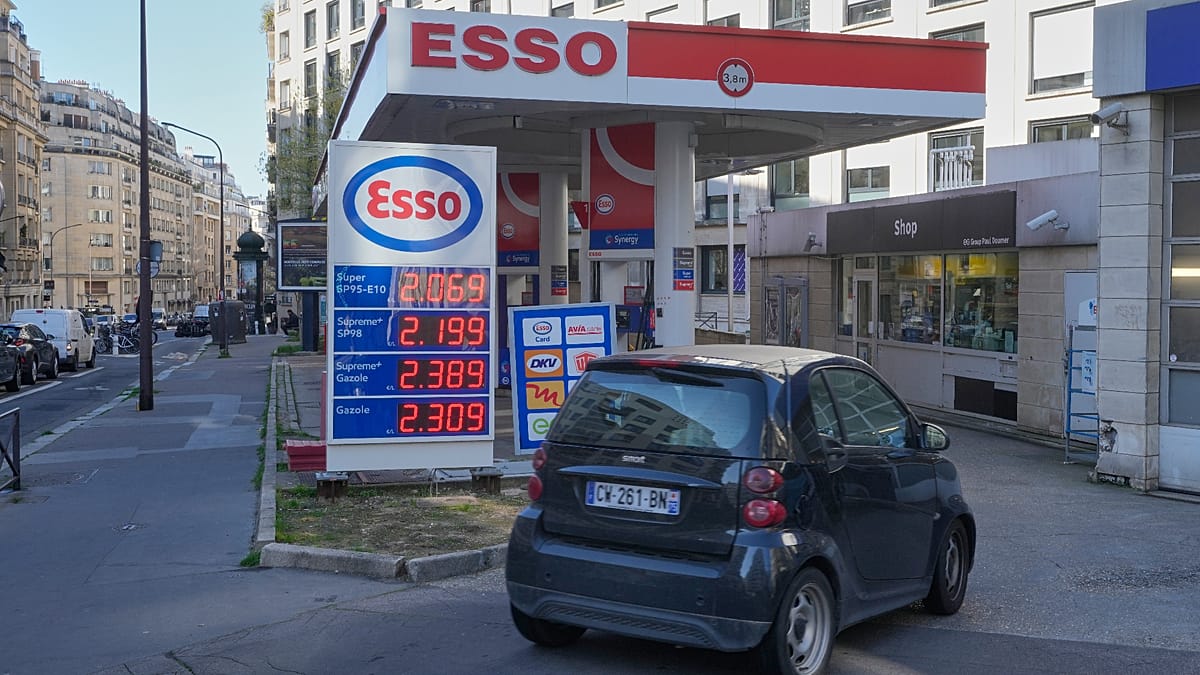
Sanjay Raja, chief UK economist at Deutsche Bank, noted that fuel consumption fell nearly 10% as consumers pulled back. “As the Iran conflict unfolds, it's clear that the energy shock is starting to catch up with households and businesses,” Raja said.
Manufacturing was a rare bright spot, rising by 0.4% thanks to pharmaceuticals and basic metals. Raja suggested this may reflect firms stockpiling “amid elevated geopolitical uncertainty.”
Stagflationary pressures mount for the Bank of England
The ONS separately reported that 40% of trading businesses saw the prices of goods they buy rise in April, the highest share since December 2022. That highlights the inflationary pressures policymakers at the Bank of England are grappling with, even as growth slows.
The figures are likely to complicate the Bank's task as it weighs mounting price pressures against signs of weakening economic activity. “With a stagflationary feel to the economy, the last thing it wants to be doing is to raise interest rates, but that is what is being priced in as inflation remains the bigger concern for now,” Clark said of the Bank, which announces its next rate decision next Thursday.
Raja expects a further slowdown in growth, warning that “activity will continue to slow as real incomes get squeezed by higher energy prices and higher market rates start to eat further into household budgets.”
The UK's predicament echoes broader European trends. Germany's growth has halved as state spending fails to offset the energy shock, while Portugal has invoked an EU budget safeguard clause to manage the costs of the crisis. The conflict in the Middle East continues to disrupt energy markets, with ripple effects across the continent.