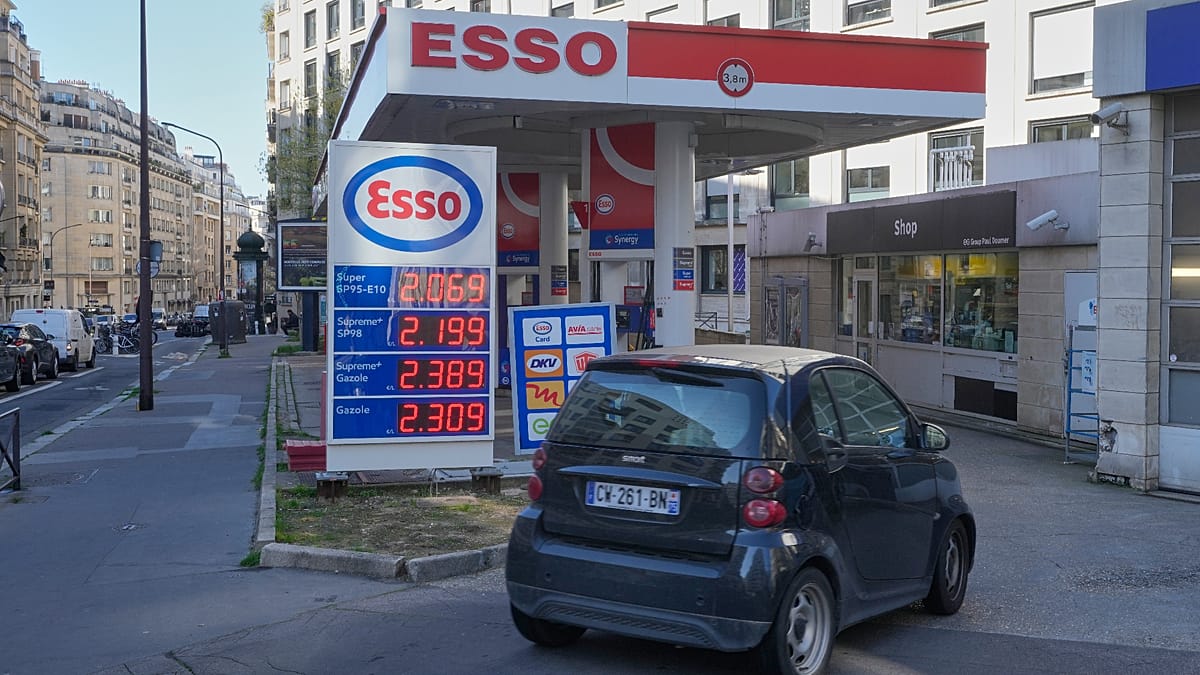
Germany's economic recovery this spring is proving weaker than anticipated, according to the German Institute for Economic Research (DIW). The Berlin-based institute has slashed its growth forecast for the current year to 0.5 percent, half its previous estimate, underscoring the persistent drag from elevated energy costs.
“The energy price shock is clearly slowing the recovery,” said Geraldine Dany-Knedlik, DIW’s chief economist. She stressed, however, that the situation differs from the aftermath of Russia’s full-scale invasion of Ukraine in 2022. “The shock is smaller, energy supplies are still secure, and Germany is now less dependent on fossil fuel imports than it was after the start of the war in Ukraine.”
Public Spending as the Sole Growth Driver
The DIW attributes what little growth there is almost entirely to increased government expenditure. “The only reason the economy is growing at all this year is public spending,” Dany-Knedlik noted. Household demand is weakening, and businesses have grown more cautious, while rising outlays on defence and infrastructure—funded partly through a special budget—are propping up activity.
Berlin’s own spring projections had already been revised downward from 1.0 percent to 0.5 percent, aligning with forecasts from the Kiel Institute for the World Economy (IfW). The federal government still considers private consumption a pillar of the economy, but the DIW argues that growth is now solely dependent on the public sector.
Defence spending, along with delayed disbursements from the special fund for infrastructure and climate neutrality, is providing a modest boost. “However, these fiscal policy impulses do not fully offset the cyclical downturn,” Dany-Knedlik cautioned. “What matters is that the resources from the special funds are disbursed quickly and genuinely on top of existing budgets, rather than merely financing investments that were planned anyway.”
Structural Weaknesses and Sectoral Pain
The DIW describes Germany’s deeper problems as structural. Industry, particularly the automotive sector, has lost competitiveness due to high production costs and demographic change. These factors limit growth potential and hinder a rapid cyclical recovery, regardless of geopolitical developments.
Highly energy-intensive sectors—chemicals, steel, paper—are suffering from rising electricity and gas prices. The DIW expects Germany to be hit harder than other European countries in this regard. Meanwhile, the labour market is shifting: manufacturing and retail are shedding jobs, while public-sector employment rises. The overall number of people in work is declining, reflecting a structural move toward services.
Internationally, the United States, as a major energy producer, is forecast to post solid growth of just over 2 percent, while the euro area’s outlook is significantly weaker. The US has become one of the world’s largest exporters of liquefied natural gas (LNG), benefiting from higher gas prices, whereas Europe must import its energy. The DIW does not expect a supply shock, noting that security of supply for oil and gas is not at risk thanks to diversification, but the price pressures remain.
Inflation, Consumption, and Policy Dilemmas
Dany-Knedlik described the combination of dampened growth and rising prices as an “uncomfortable situation.” Expansionary fiscal policy has cushioned inflation but has not delivered the desired growth. Consumers feel the impact of higher energy costs on heating, electricity, and transport, leaving less for private consumption—a key driver the government still relies on.
The European Central Bank faces a tricky decision on interest rates, with the ifo Institute’s Joint Economic Forecast for spring 2026 noting the uncertainty. Employers, trade unions, and coalition leaders are meeting at the chancellery today to discuss reforms, with social partners asked to prepare views on the factors behind Germany’s persistent structural growth weakness.
As Europe’s largest economy grapples with these headwinds, the broader implications for the continent are significant. The DIW’s analysis underscores that without a more robust private-sector recovery, Germany’s slowdown could weigh on the entire euro area, especially as other member states face similar energy and competitiveness challenges.