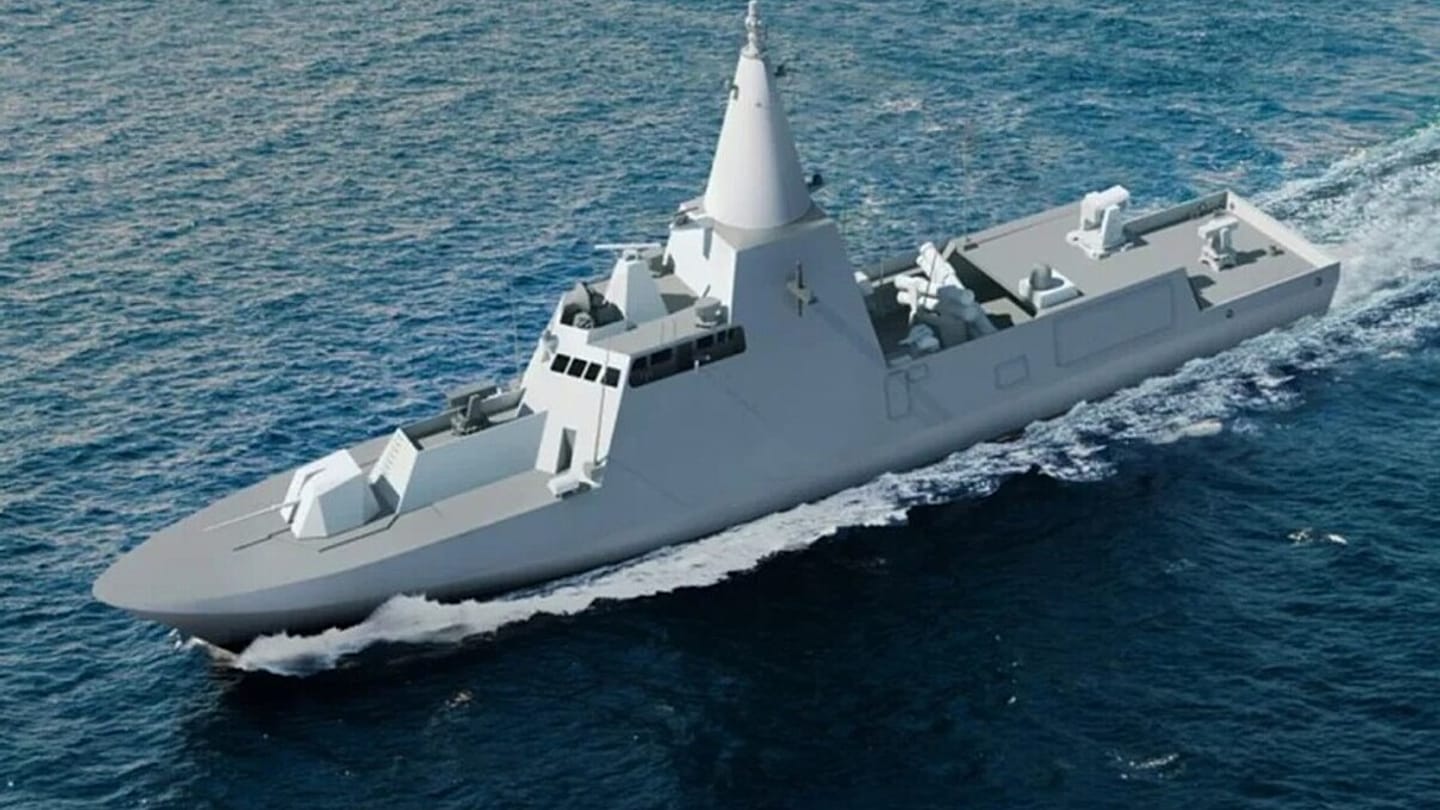
The Italian defense and aerospace group Leonardo has signed a €320 million agreement with Abu Dhabi Ship Building to equip three FALAJ 3 offshore patrol vessels (OPVs) for the Kuwaiti Navy. The contract, announced in early 2025, underscores Rome's growing commercial and military engagement in the Persian Gulf, a region where European powers are increasingly competing for influence.
Strategic Expansion in the Gulf
Under the terms of the deal, Leonardo will supply a comprehensive suite of naval combat systems for the FALAJ 3-class vessels, including sensors, weapons control, and integrated command-and-control solutions. The Italian firm, headquartered in Rome, has a long track record in naval electronics and is a key player in Europe's defense industry. The contract is expected to be executed over several years, with delivery and integration phases extending into the late 2020s.
This agreement is part of a broader push by Italy to deepen ties with Gulf states, particularly Kuwait and the United Arab Emirates. The Italian government, under Prime Minister Giorgia Meloni, has prioritized defense exports as a pillar of its foreign policy, aiming to balance relationships with both European allies and Middle Eastern partners. The deal also aligns with Italy's strategic interests in securing energy supplies and trade routes through the Gulf.
Leonardo's involvement in the FALAJ 3 program builds on previous collaborations with Abu Dhabi Ship Building, a subsidiary of the UAE's EDGE Group. The vessels themselves are being constructed in the UAE, with Leonardo's systems integrated during the build phase. This partnership highlights the growing interdependence between European defense contractors and Gulf shipyards, a trend that has accelerated since the COVID-19 pandemic disrupted global supply chains.
For Kuwait, the FALAJ 3 OPVs represent a modernization of its naval capabilities, which have traditionally relied on older Western and Asian platforms. The new vessels are designed for maritime security, including patrol, surveillance, and anti-piracy missions in the Gulf's strategic waters. Kuwait's navy has been expanding its fleet to protect offshore oil infrastructure and respond to regional tensions, particularly with Iran.
Italy's defense sector has seen a resurgence in recent years, with companies like Leonardo, Fincantieri, and Beretta benefiting from increased European defense spending. The country's military exports reached €5.3 billion in 2023, according to the Italian government, with the Gulf region accounting for a significant share. This deal is likely to bolster Italy's position as a leading arms supplier to the Middle East, competing with France, Germany, and the United States.
However, the contract has drawn scrutiny from human rights groups, who argue that European arms sales to Gulf states risk fueling regional conflicts. Italy's export controls, governed by Law 185/90, require parliamentary approval for deals exceeding certain thresholds, but critics say enforcement is often lax. The Meloni administration has defended such exports as vital for national security and economic growth, pointing to jobs in aerospace and defense hubs like Turin and Naples.
The FALAJ 3 program also has implications for European defense integration. Leonardo's systems are interoperable with NATO standards, and the company has been a key supplier to the Italian Navy's FREMM frigates and PPA patrol vessels. By exporting these technologies to Kuwait, Italy is effectively extending its naval footprint in the Gulf, a region where European navies, including those of France and the UK, maintain a rotational presence.
This development comes amid broader shifts in European defense policy. The EU has been pushing for greater strategic autonomy, but member states like Italy continue to pursue bilateral deals with non-European partners. The contract also reflects the growing role of the UAE as a hub for defense manufacturing, with Abu Dhabi Ship Building positioning itself as a regional leader in naval construction.
For Leonardo, the deal is a significant win in a competitive market. The company has been expanding its presence in the Middle East, with recent contracts in Qatar, Saudi Arabia, and the UAE. The FALAJ 3 program is expected to generate follow-on orders for maintenance, training, and upgrades, further cementing Italy's commercial ties with Kuwait.
As the Gulf region remains a flashpoint for geopolitical rivalries, Italy's deepening involvement is likely to be watched closely by both European partners and competitors. The deal underscores how European defense firms are leveraging their expertise to secure a foothold in one of the world's most strategically important waterways.