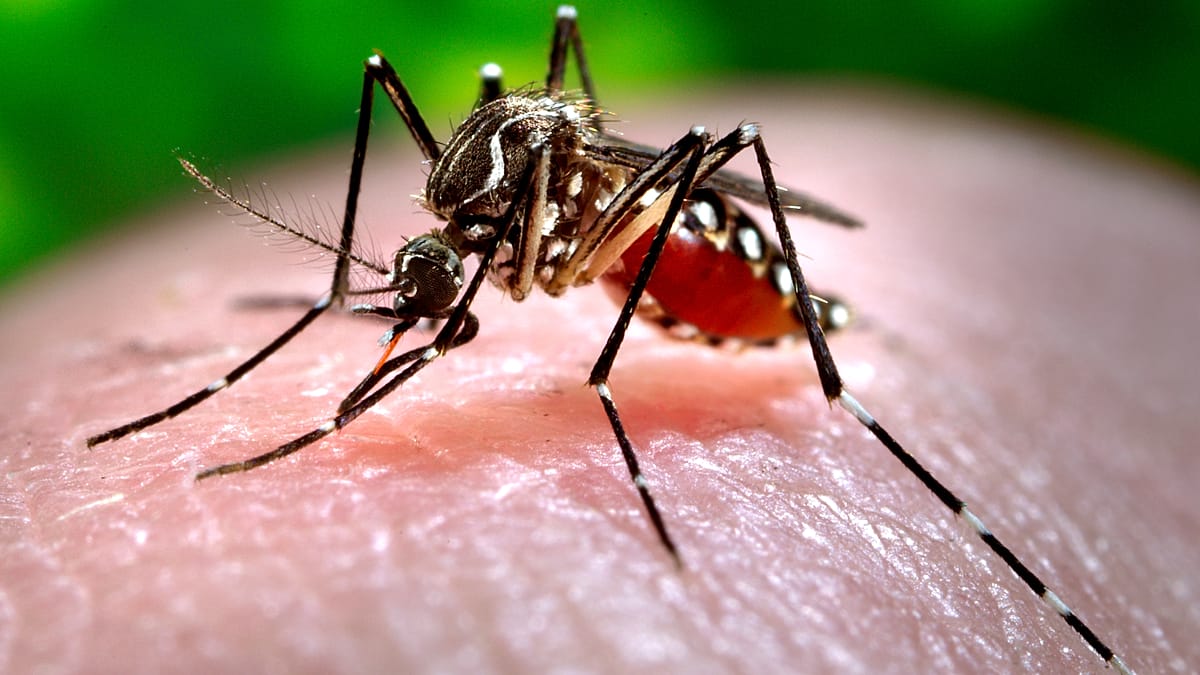
On Thursday, Lisbon will release 30,000 mosquitoes into the Alvalade district. This is not a prank, but a carefully planned scientific experiment. The insects are sterile males of the species Aedes albopictus, better known as the Asian tiger mosquito. They do not bite, and their release is part of a broader effort to reduce the population of this public health concern.
The project, led by Afonso Moreira, a public health doctor at the Francisco George Public Health Unit of the Santa Maria Local Health Unit, has already released 60,000 mosquitoes in previous phases. This Thursday's release marks the final batch of this experimental stage. Moreira explained to the Lusa news agency that the mosquitoes were sterilised using a proven and safe technique.
“When we release them into areas where there is a population of this mosquito, they will essentially compete with the male mosquitoes that are already there, the wild mosquitoes,” said Moreira. The idea is that mating with sterile males produces no offspring, thereby reducing the species' reproductive success. Since only female mosquitoes feed on blood, fewer wild males mean fewer opportunities for reproduction, and ultimately fewer biting insects.
Monitoring dispersal and survival
In this initial phase, the primary objective is not immediate population reduction but understanding how the released specimens behave. Researchers will track their ability to disperse and survive in the urban environment of Alvalade. If the results are encouraging, the next step is scheduled for May, when a comparative study will examine areas with and without released sterile mosquitoes.
The Asian tiger mosquito is a known vector for dengue, Zika, and yellow fever. The risk arises when a mosquito bites an infected person and then transmits the pathogen to another person. While Portugal currently has no active outbreaks of these diseases, the presence of the vector increases the potential for local transmission, especially with international travel and warmer autumn temperatures that extend the mosquito season.
Moreira stressed that releasing sterile mosquitoes is just one of several control measures. “It remains essential to continue eliminating the places where this species breeds,” he said. Standing water in flower pots, gutters, and discarded tyres are common breeding sites. Public awareness and community action are crucial to complement the sterile insect technique.
Lisbon is not alone in exploring this approach. Similar sterile insect technique programmes have been tested in other Mediterranean countries, including Italy and Greece, to combat the spread of the tiger mosquito. The technique is considered environmentally friendly because it does not involve chemical insecticides and targets only the specific pest species.
The project has been welcomed by local residents, who have been informed about the releases. The mosquitoes are marked with a fluorescent powder to allow researchers to distinguish them from wild ones during monitoring. The data collected will help refine future releases and assess the feasibility of scaling up the method across the city.
If successful, this could become a model for other European cities facing similar challenges. The tiger mosquito has expanded its range across southern Europe in recent decades, partly due to climate change. As Lisbon's popularity as a travel destination grows, so does the risk of importing exotic diseases. The sterile mosquito release is a proactive step to keep the city safe.
For now, the focus is on the scientific results. The team will analyse the data over the coming months and publish their findings. The hope is that this low-tech, high-impact solution can help reduce the nuisance and health risks posed by the Asian tiger mosquito, not just in Lisbon but across Europe.