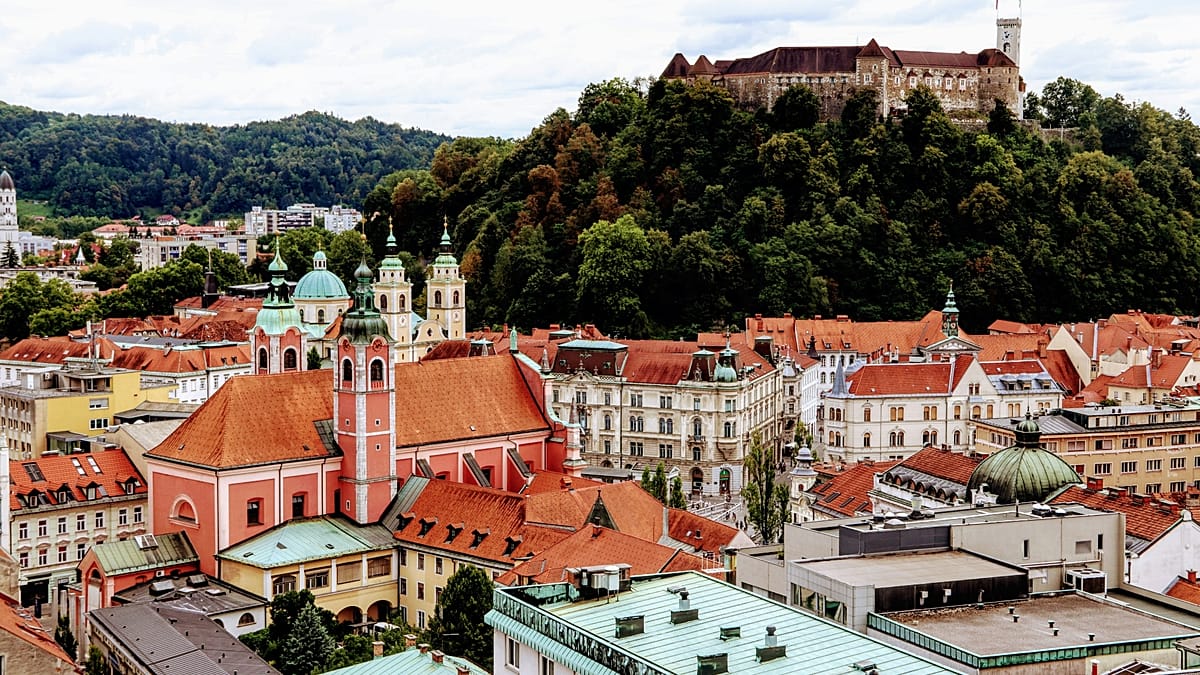
The European Commission has announced that Ljubljana, Slovenia's capital, and Calvià, a municipality on the Spanish island of Majorca, will serve as the 2027 European Capitals of Tourism. The designation, awarded annually, recognizes destinations that demonstrate leadership in smart and sustainable tourism.
Ljubljana took the title in the category for cities with more than 100,000 inhabitants, while Calvià won in the 25,000–100,000 category. The winners were selected by a European jury following presentations by shortlisted destinations in Brussels on 18 and 19 November.
A total of 83 destinations from 24 countries applied for the honor, with 16 making the shortlist. In the larger-city category, the contenders included Aalborg (Denmark), Braga (Portugal), Genoa (Italy), Konya (Türkiye), Lviv (Ukraine), Salzburg (Austria), and Sofia (Bulgaria). For smaller destinations, the shortlist featured Calais (France), Geestland (Germany), Ibiza (Spain), Nova Gorica (Slovenia), Sandanski (Bulgaria), Selçuk (Türkiye), and Zadar (Croatia).
Why Ljubljana won
The European Commission highlighted Ljubljana's "commitment to knowledge sharing, continuous learning and resident-focused initiatives." The city was also praised for its strong performance across accessible, sustainable, digital, and cultural tourism criteria, as well as an ambitious program of activities planned for 2027.
Ljubljana's approach to visitor data management was singled out as a model for how destinations can use knowledge and innovation to grow responsibly. The jury also noted the city's development of creative and sustainable tourism solutions and its efforts to promote year-round travel, reducing the pressure of seasonal peaks.
This recognition aligns with broader European efforts to rethink tourism. The EU recently unveiled its first sustainable tourism strategy to curb overtourism, and Ljubljana's resident-first model offers a practical example of how cities can balance visitor numbers with local quality of life.
Calvià's transformation
Calvià, located on the western coast of Majorca, was applauded for its deliberate move away from high-volume mass tourism toward a more sustainable, year-round approach. The jury recognized the municipality's efforts to rethink how tourism can contribute to long-term economic, environmental, and social well-being, creating a "balanced relationship between visitors, residents and the local environment."
The award is intended to inspire other established destinations—particularly those in the Mediterranean that have long struggled with overtourism—to follow Calvià's lead. The transformation is part of a wider trend in Spain, where regions like Valencia are betting on year-round sports and alternative destinations to ease pressure on hotspots.
European Commissioner for Sustainable Transport and Tourism, Apostolos Tzitzikostas, congratulated both winners, saying: "This honour recognises their leadership in sustainable, innovative tourism that delivers for businesses, visitors and local communities. Their example will inspire destinations across Europe."
For travelers, the 2027 designation means Ljubljana and Calvià will host a series of events and initiatives throughout the year, showcasing their cultural and natural assets. Ljubljana, known for its green spaces and pedestrian-friendly center, will likely use the spotlight to highlight its commitment to responsible tourism. Calvià, with its beaches and historic sites, will aim to demonstrate that sustainability and visitor appeal can go hand in hand.
As Europe continues to grapple with the challenges of overtourism, the choices of Ljubljana and Calvià signal a shift toward more thoughtful, community-oriented travel. Their success could serve as a blueprint for other destinations seeking to balance economic benefits with environmental and social responsibility.