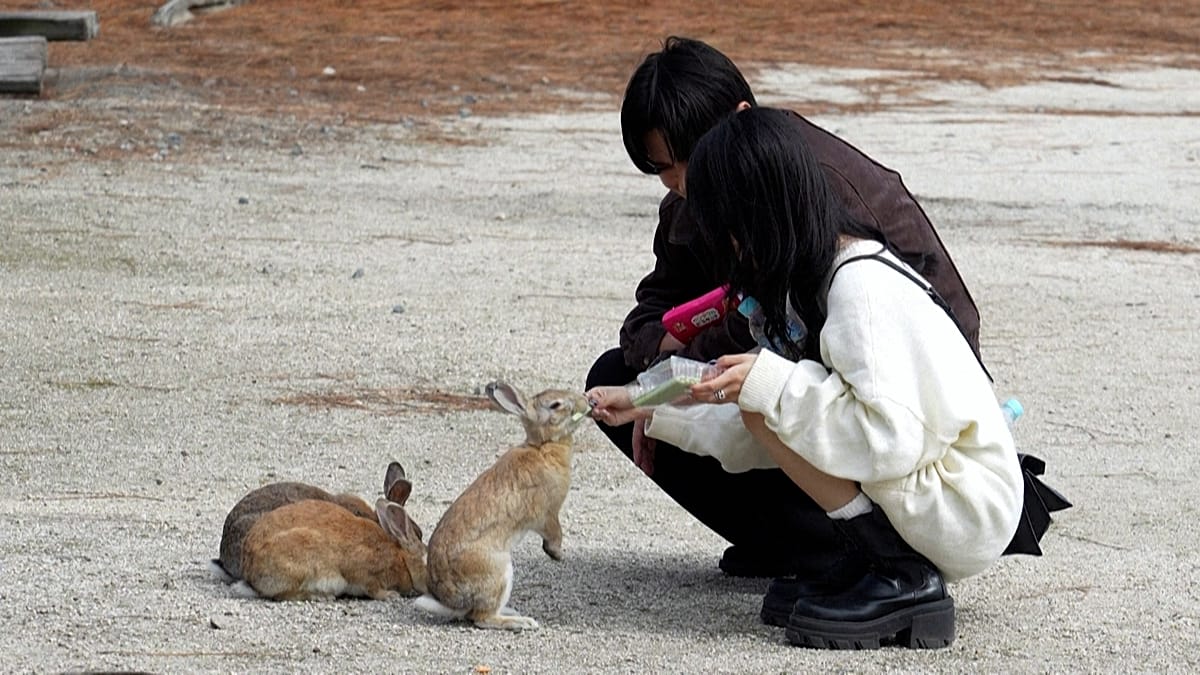
For many visitors, Okunoshima Island in Japan's Seto Inland Sea is a dreamlike destination: hundreds of wild rabbits hop freely across grassy slopes, posing for photos and nibbling on treats offered by tourists. The island, often called "Rabbit Island," draws travelers from across the globe, including many from Europe, who come for a seemingly idyllic encounter with nature.
Yet beneath this charming surface lies a history that is far from gentle. During World War II, Okunoshima was the site of a top-secret chemical weapons factory, where the Imperial Japanese Army produced poison gas, including mustard gas and lewisite. The island was so sensitive that it was removed from official maps, and its existence was hidden from the public for decades.
A toxic legacy hidden in plain sight
The factory operated from 1929 until the end of the war, employing thousands of workers who were often unaware of the full nature of their tasks. The production of chemical agents took a heavy toll on the workers, many of whom suffered from severe health problems, including respiratory diseases and skin conditions, due to exposure to the toxic substances.
After Japan's surrender in 1945, the facility was dismantled, and the island was repurposed. The rabbits, which are now the island's main attraction, are believed to be descendants of animals that were brought to the island for testing the effects of the poison gas. Some accounts suggest that the rabbits were released after the war, while others claim they were introduced later for a different purpose.
The island's dark past is not entirely forgotten. A small museum on Okunoshima, the Okunoshima Poison Gas Museum, documents the history of the chemical weapons production and its victims. It stands as a somber reminder of the consequences of warfare and the human cost of technological advancement.
For European visitors, the island's history resonates with the continent's own experiences of chemical warfare, from the trenches of World War I to the secret programs of the Cold War. The story of Okunoshima is a global one, but it echoes in places like the French village of Oradour-sur-Glane or the German concentration camps, where the past is preserved not for tourism but for remembrance.
Today, Okunoshima is a popular stop on the Japanese travel circuit, often included in itineraries that also feature Hiroshima, just a short ferry ride away. The juxtaposition of the island's playful rabbits and its grim history offers a profound lesson: that beauty can mask horror, and that peace requires vigilance.
As Japan continues to navigate its role in the world, including its recent economic challenges and its security posture, the memory of Okunoshima serves as a cautionary tale. It is a reminder that the past is never fully buried, and that the choices made in times of conflict have lasting consequences.
For those who visit, the island offers more than just a photo opportunity with rabbits. It is a place to reflect on the fragility of peace and the importance of remembering history, even when it is uncomfortable. The rabbits, in their innocence, may be the most fitting memorial: they live on, oblivious to the darkness that once defined their home.