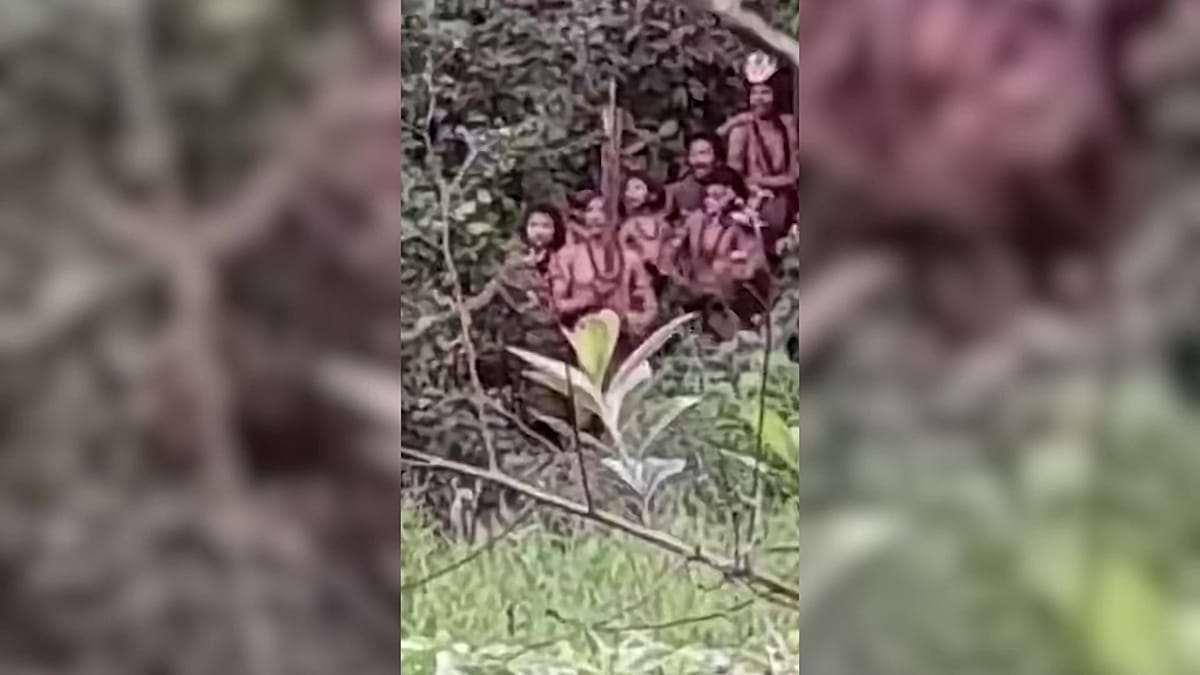
In a rare and delicate encounter, around 20 members of the isolated Awá Indigenous people approached a government outpost in the Arariboia Indigenous Territory in Maranhão, northeastern Brazil. The group reportedly asked for yams, took the food, and retreated back into the forest, according to Survival International, an NGO that advocates for tribal peoples.
The incident was documented by members of the neighbouring Guajajara community, also known as the Forest Guardians, who collaborate with the local government outpost. The video, shared by Survival International, shows the moment of contact, which has raised concerns about the pressures facing one of the world's last voluntarily isolated tribes.
A fragile existence
The Awá, often called the world's last nomadic hunter-gatherers in the Americas, have lived in the Amazon for centuries. Their territory, however, has been under relentless pressure from illegal logging, land grabbing, and ranching. The Arariboia Indigenous Territory, which is home to both the Awá and the Guajajara, has seen repeated invasions and violence.
This rare contact is not the first. In recent years, isolated Awá have occasionally appeared at the fringes of the territory, often in search of food or tools. But each encounter carries risks, both for the tribe, which has little immunity to common diseases, and for the officials who must balance respect for their isolation with their immediate needs.
Survival International has long campaigned for the protection of the Awá, warning that their survival depends on the integrity of their land. The group's director, Fiona Watson, said in a statement: "This is a stark reminder that the Awá are still here, but their future hangs by a thread. The Brazilian government must do more to protect their territory from invaders and ensure they are not forced into contact."
European connections
The situation in Brazil's Amazon has drawn attention in Europe, where consumers and policymakers increasingly scrutinise the origins of agricultural products. The European Union has been debating trade agreements with South American countries, including the Mercosur bloc, and has faced pressure to ensure that imports do not contribute to deforestation or human rights abuses.
Earlier this year, the EU postponed a vote on a proposed ban on Brazilian chicken imports amid an audit, a sign of the complex regulatory and diplomatic ties. The fate of the Awá, however, is a reminder that the impacts of land use change extend far beyond trade disputes.
For European readers, the story of the Awá resonates with broader concerns about indigenous rights and environmental stewardship. The EU's own biodiversity strategy and its commitments under the Paris Agreement highlight the importance of protecting the world's forests, which are vital carbon sinks.
The Brazilian government has not yet commented on this specific encounter. However, the country's indigenous affairs agency, Funai, has a policy of non-contact with isolated tribes, intervening only in emergencies. The challenge is to provide assistance without undermining the tribe's autonomy.
As the video circulates, it serves as a poignant reminder of the fragility of these communities. The Awá's request for yams, a staple crop, suggests they may be facing food shortages, possibly due to the degradation of their forest home. The long-term solution, experts say, lies in securing their land and halting illegal activities.
For now, the Awá have returned to the forest, but their appearance has reignited calls for action. Survival International and other groups are urging the Brazilian authorities to step up patrols and enforcement in the Arariboia territory. The world watches, hoping that this rare glimpse into their lives will not be their last.